Art is a safe and constructive means for people to express their emotions. Over time, art therapy has garnered increasing recognition as a valuable intervention for those experiencing mental health challenges.
Considering that there is an expanding systematic review of various research which highlights the effectiveness of art therapy in treating various mental health conditions, Luxe Recovery shares with you in this article how creative expressions help people with anxiety problems.
What is Anxiety?
Anxiety is an essential and beneficial emotional response that equips individuals to recognize and prepare for potential threats or hazards.
This emotion often manifests through various physiological symptoms, including heightened heart rate, trembling, sensations of coldness, or excessive sweating, which can be uncomfortable. From a scientific perspective, anxiety serves as a natural response to stress, triggering the body’s automatic physiological mechanisms known as the ‘fight or flight’ response.
Typically, an anxiety attack is characterized by feelings of fear, worry, or apprehension regarding a specific event or issue that may arise.
Experiencing occasional anxiety is a common phenomenon. During such episodes, individuals typically respond in a manner that allows them to cope effectively. However, some individuals may experience chronic and excessive anxious thoughts and feelings about various concerns, leading to significant impairment in their daily functioning.
In these cases, anxiety transcends normalcy and may develop into diagnosable mental health disorders like generalized anxiety disorder, social anxiety disorder, and panic disorder.
What is an Art Therapy?
The term ‘art therapy’ often brings to mind activities such as drawing, colouring books, or painting, all associated with creative expression. However, art therapy encompasses much more than merely engaging in these activities for an hour. It is a thoroughly researched and validated therapeutic method incorporating active art-making, creative process, and psychological principles.
From a theoretical perspective, art therapy functions as talk therapy. It is grounded in the belief that early traumatic experiences are stored in the unconscious mind in nonverbal forms, such as sensory, kinesthetic, or imaginative cognitions, along with the associated emotional responses.
These experiences are often expressed through various symbolic languages rather than conventional verbal communication.
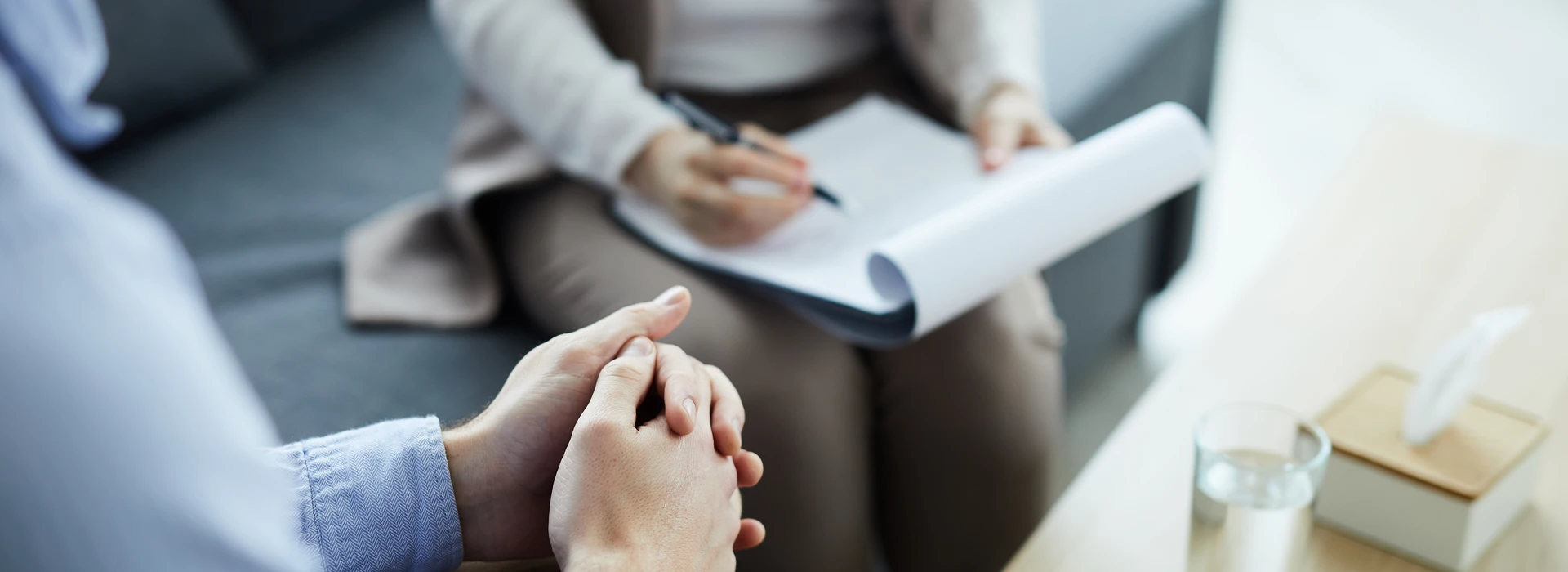
Engaging in artistic endeavors under the guidance of trained therapists can help individuals navigate their emotional landscapes more effectively and gain deeper self-awareness.
Understanding Art Therapy and Anxiety: The Connection
Arts Therapy provides a distinctive and forward-thinking method for tackling anxiety-related issues. Art therapy did not appear out of the blue; it was created based on extensive research studies. Presently, clinical practices have validated the efficacy of art therapy as a treatment for people experiencing anxiety, who often find themselves burdened by excessive worries or fears.
By engaging people’s expressive and creative abilities, art therapy can help serve as a nonverbal and experiential approach to processing emotions, alleviating stress and anxiety, and promoting emotional recovery.
Incorporating diverse creative techniques within art therapy may allow people to examine their anxieties in a secure and imaginative environment, facilitating greater self-awareness and understanding.
Typically, when faced with anxiety, we tend to dwell on negative thoughts, and the more we focus on them, the more they linger and contribute to our distress.
Hence, a critical therapeutic function of art therapy is to divert our focus from persistent negative thoughts or intense emotions. By redirecting our attention, we enable our nervous system to stabilize, allowing us to engage with more manageable thoughts and feelings.
Benefits of Art Therapy for Anxiety
Engaging in creative activities can significantly alleviate symptoms of anxiety in various ways. Some of the benefits of art therapy for anxiety and related conditions include:
Calms Nervous System
When we experience stress or anxiety, our bodies trigger the sympathetic nervous system, commonly called the fight-or-flight response.
Conversely, the parasympathetic nervous system promotes a state of calm and relaxation, often described as the ‘rest and digest’ phase. Studies suggest that when we engage in artistic activities such as drawing, sculpting, etc., our anxious mind relaxes and calms down.
In addition, art therapy activities promote serenity, aiding in alleviating stress, anxiety symptoms, and irritability. A calm mind is better equipped to navigate complex emotions and experiences.
Mental health professionals have noted that art therapy can effectively address profound inner challenges by fostering significant moments of peace. As a result, people often experience greater calmness in their everyday lives.
Promotes Manifestations of One’s Individuality
A significant number of people encounter anxiety stemming from thoughts, emotions, or situations that they find difficult to articulate. Art therapy provides a secure outlet for self-expression.
Those dealing with stress can discover ways to convey their feelings creatively and constructively through guided exercises and the support of a compassionate, skilled therapist. Engaging in creative self-expression benefits them, as it fosters a deeper connection with our experiences and emotions in a healthy and impactful manner.
Increases Self-Awareness
Engaging in creative activities enhances self-awareness. Through creative pursuits, we often discover aspects of ourselves that we had not recognized before. This effect is particularly evident during art therapy sessions.
Participants experience increased self-awareness through meditative, expressive, and unique practices. Concentrating on a creative task makes it easier to understand and connect with the emotions and sensations that lie beneath our conscious thoughts.
Makes Us More Mindful
People with anxiety often think about potential future threats or dangers. Engaging in artistic activities fosters a concentrated focus on creation, diverting attention from anxious or troubling thoughts. In addition, art therapy serves as a grounding practice, enhancing mindfulness and alleviating the tendency to ruminate on specific ideas, concerns, or problems.
Improve Emotion Regulation
People who experience chronic anxiety frequently struggle with emotional regulation. They find it challenging to manage and articulate their feelings. As a result, engaging in art therapy can prove to be advantageous for them.
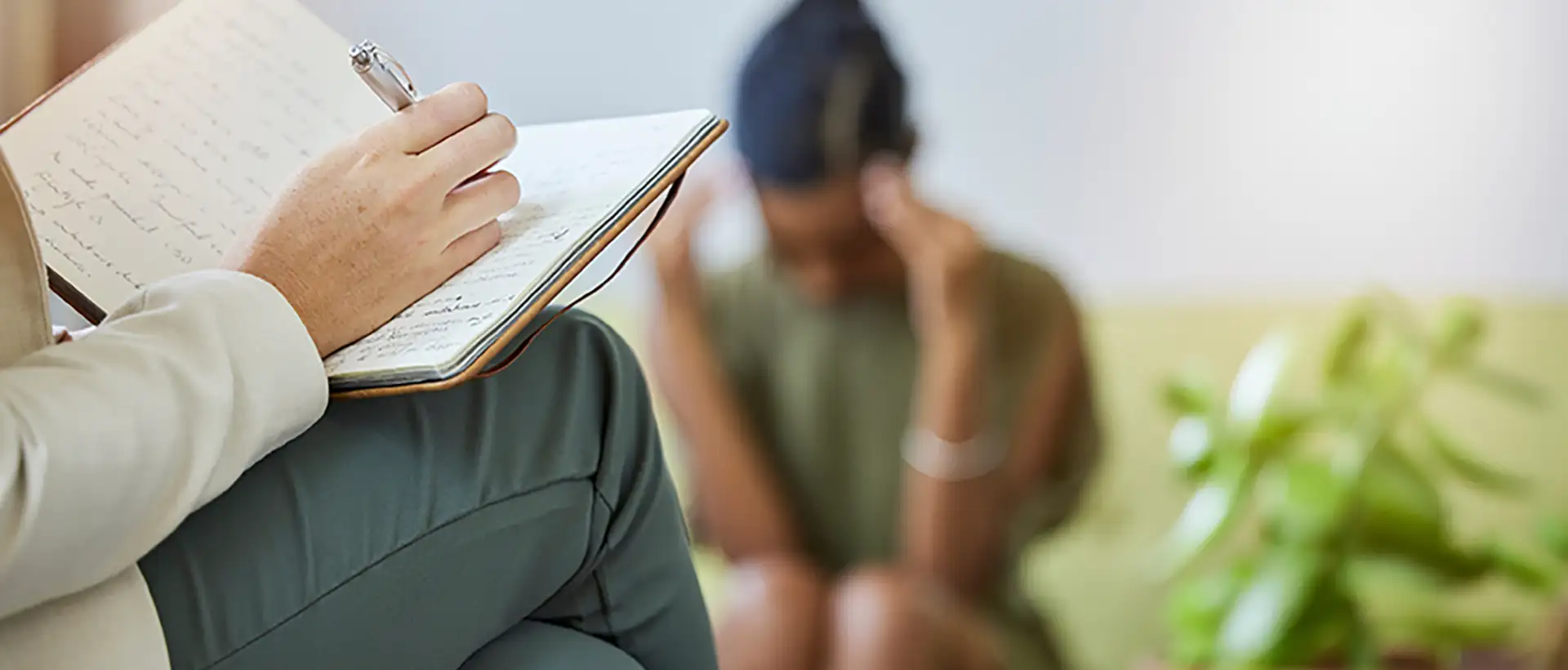
In a professionally facilitated art therapy setting, the therapist assists them in recognizing, accepting, and expressing their repressed emotions through various visual art techniques, including drawing, painting, sculpting, and collage. This process can significantly alleviate emotional distress and foster greater self-awareness.
Boosts Self-Esteem
Self-esteem plays a crucial role in our emotional well-being. People with low self-esteem are at a higher risk of experiencing anxiety, and those with anxiety are more prone to developing low self-esteem.
Studies indicate that engaging in art therapy and creative activities can foster a sense of self-expression and achievement, increasing self-esteem.
Art Therapy Exercises
Art therapy utilizes a variety of creative methods to alleviate anxiety and enhance emotional health. By incorporating multiple artistic modalities, this approach offers versatility, allowing art therapists to customize their interventions to meet each individual’s unique needs and preferences. The most commonly used art therapy exercises include:
Visual Arts
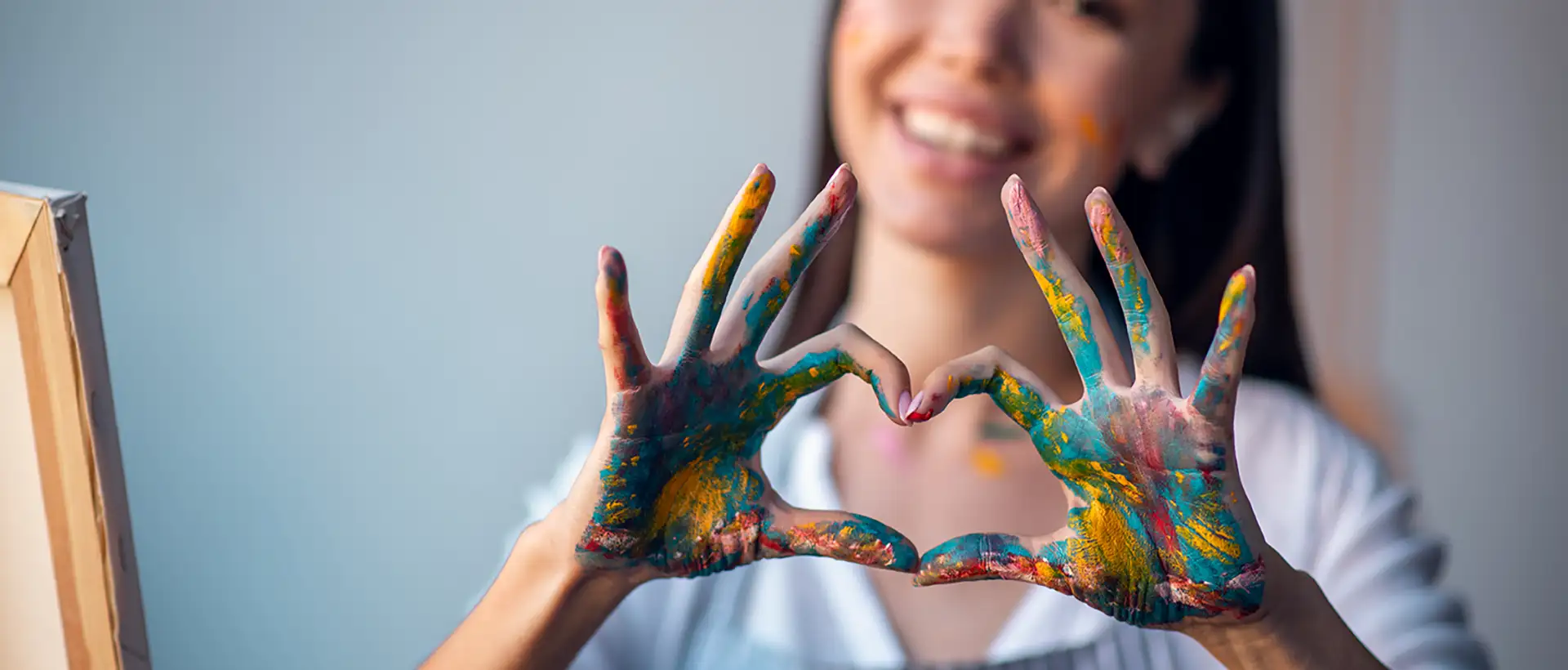
Visual arts, including drawing, painting, and collage, provide a practical outlet for people engaged in art therapy to express their anxieties and internal struggles.
By creating visual depictions of their fears, concerns, or sources of stress, people can convert abstract and suppressed emotions into physical representations. In addition, the act of creating art fosters a sense of containment and empowerment over anxiety, allowing people to delve into various themes and feelings through the use of colour, shape, and form.
Music and Sounds
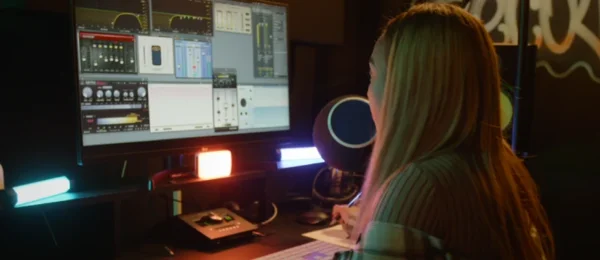
Music can elicit particular emotional reactions and foster a calming or stabilizing influence. Under the guidance of the art therapist, people can participate in activities such as music improvisation, drumming, or listening to some melodies to facilitate relaxation and emotional expression. Furthermore, music acts as a medium for expression when verbal communication is quite challenging.
Movement and Dances
Movement and dance serve as powerful expressive mediums in art therapy, facilitating the release of tension and the exploration of emotional states. By engaging in structured movement exercises or spontaneous dance improvisation, people can physically manifest their experiences of anxiety, leading to a deeper somatic comprehension of their anxious feelings.
This practice enhances bodily awareness and fosters a sense of flow, allowing them to reconnect with their inner selves and alleviate physical symptoms associated with anxiety.
Mandala Making
A mandala is a form of expression characterized by complex circular patterns and designs. People experiencing anxiety often find solace in mandala drawing, as the repetitive and symmetrical aspects of this activity can help redirect their thoughts away from negative rumination.
Other Treatment Options for Anxiety
Apart from art therapy, there is a wide range of interventions which can be used to treat anxiety and related conditions. Some of them are:
- Cognitive Behavioral Therapy (CBT) is widely recognized as a leading therapeutic approach for a range of mental health issues, including anxiety disorders. This form of talk therapy is characterized by its structured, directive, and goal-focused nature. It examines the interplay among thoughts, emotions, and behaviors. The main aim of CBT is to alleviate psychological distress by fostering the development of more adaptive thought patterns and behaviors.
- Dialectic Behavioral Therapy (DBT): Another scientifically supported intervention being utilized for the treatment of anxiety disorders is DBT. This approach is a variant of CBT that incorporates mindfulness techniques and balances the dual strategies of acceptance and change. DBT enables people to identify their emotions, understand their experiences, and develop essential coping skills. Furthermore, it also equips individuals with tools to enhance their interpersonal relationships.
Reduce Anxiety Through Expressive Arts Therapy at Luxe Recovery
The first action in addressing anxiety-related symptoms is to reach out for professional assistance. We recognize that this can be a challenging endeavor at times. But know that overcoming these obstacles can pave the way to recovery.
If you find this article valuable and know someone experiencing anxiety, please feel free to refer them to us. Luxe Recovery offers a distinctive and tailored approach to managing this condition through art therapy and other evidence-based interventions.