
There are many people across the United States who have to deal with mental illnesses, process addiction, or substance use disorder. Many will use a combination of talking to a therapist and taking medication to address their mental health concerns.
But art can help address those concerns. While it may not be the primary form of treatment, it can complement clinical approaches to recovery.
At Luxe Recovery LA, we understand the importance of art and music therapy in the recovery process. That’s why our facility is equipped with a music studio, so our patients can explore the connection between art and wellness.
What is Art Therapy?
Art therapy is a form of psychotherapy that integrates the process of creating art into the therapeutic process to improve a person’s physical, mental, and emotional well-being.
It’s based on the idea that being artistically expressive can help individuals explore their feelings, resolve emotional conflicts, become more self-aware, and manage behaviors and addictions. Art therapy can take many forms, including drawing, painting, sculpting, collage-making, and other creative activities.
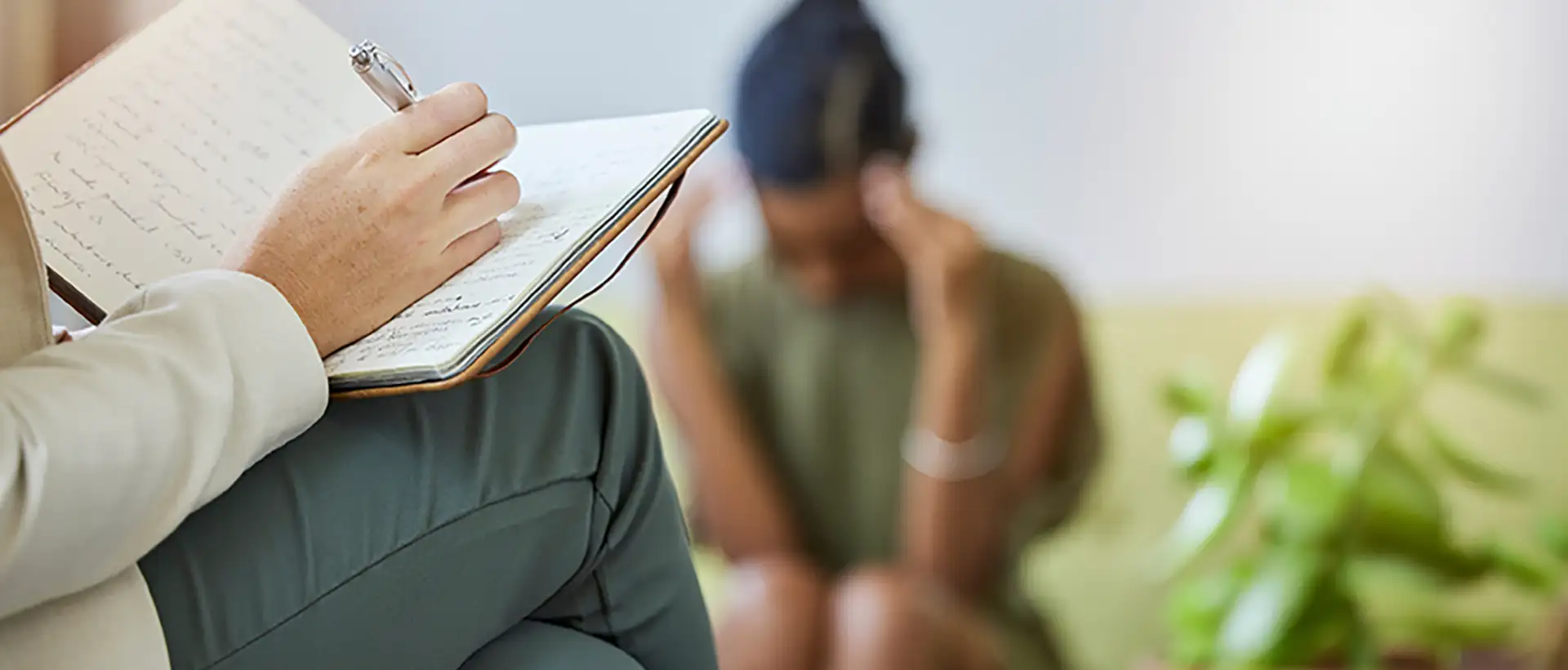
During art therapy sessions, a trained art therapist guides patients through various artistic exercises designed to promote self-expression and reflection.
The focus is not on artistic skill or the final product but rather on the process of creating and the emotions and insights that a client may feel or discover throughout the creative process. The goal is not to create a masterpiece. The goal is creative expression.
This approach can be particularly beneficial for individuals who may have difficulties expressing or articulating their thoughts and feelings verbally.
The use of art in therapy is used in a variety of settings, including mental health treatment, schools, hospitals, addiction recovery centers, and community programs.
It can be an effective treatment for people of all ages and backgrounds, including children, teenagers, adults, and senior citizens. It can help all kinds of people improve their mental health problems.

What Are The Benefits of Art Therapy?
Using creative art in therapy can have a number of benefits for patients. Some of these benefits include:
Boost Self-Esteem
The artistic process can be challenging. Many people find it hard to create a piece of art, whether it be a painting, a song, or a story. Staring at a blank canvas or piece of paper can be frustrating. So, if a patient is able to create something from nothing, then it gives them a boost in self-esteem.
Avenue for Self-Expression
One of the most important aspects of the creative process is how personal it is. Some of the most enduring pieces of art, while brilliant on a technical level, evoke a level of emotion in anyone who consumes it.
This is invariably because the art is an expression of some aspect of the artist’s psyche. An artist puts part of themselves into their art; they express something inside of them that they couldn’t otherwise.
In that sense, it can help patients express something that they may not be able to put into words. It’s a nonverbal way for them to communicate their feelings, thoughts, or their experiences. This can improve interpersonal relationships and foster better understanding and empathy.
Avenue for Self-Awareness
Art therapy can help encourage self-reflection and exploration of one’s inner world. Through the artistic process, individuals can gain insight into their beliefs, values, strengths, and challenges, which can foster greater self-awareness.
Socialization
Group therapy sessions provide patients with opportunities for socialization, connection, and support. Engaging in creative activities with others can foster a sense of belonging and community, which can reduce the feelings of isolation that often result from many mental disorders. Group art sessions can also help people improve their social skills.
Stress Management
Another way in which this form of therapy can be beneficial is in mental health recovery. Engaging in the creative process can be relaxing and help reduce stress levels. Creating art can serve as a form of mindfulness activity, helping individuals focus on the present moment and alleviate anxiety symptoms.
Emotional Release
In the same vein as the above, creating art can be therapeutic and cathartic. it can allow individuals to release pent-up emotions and process traumatic experiences. Creative therapy can facilitate the healing of emotional wounds and promote emotional resilience.
Examples of Art Therapy
Art therapy can come in many forms. Some of the ways in which therapy can make use of the creative process include:
Music Therapy
Music therapy is a form of treatment that makes use of music and musical activities to address physical, emotional, cognitive, and social needs. It’s based on the understanding that music has the power to influence individuals on multiple levels, including emotional, psychological, and social dimensions.
Music therapists are trained professionals who use music-based interventions to support clients in achieving specific therapeutic goals.
Dance Therapy
Dance Movement Therapy (DMT) is a form of therapy that uses dance and movement as an avenue for emotional expression, self-exploration, and therapy.
DMT is based on the premise that the mind and body are connected, and the movement can promote physical, emotional, and mental health.
Drama Therapy
Drama therapy is a type of therapy that uses theatrical techniques like roleplaying and improvisation to promote personal growth, emotional healing, and self-expression.
This form of therapy blends elements of psychology, theater, and performance to help individuals explore their thoughts, feelings, and experiences creatively and therapeutically.
Painting and Drawing
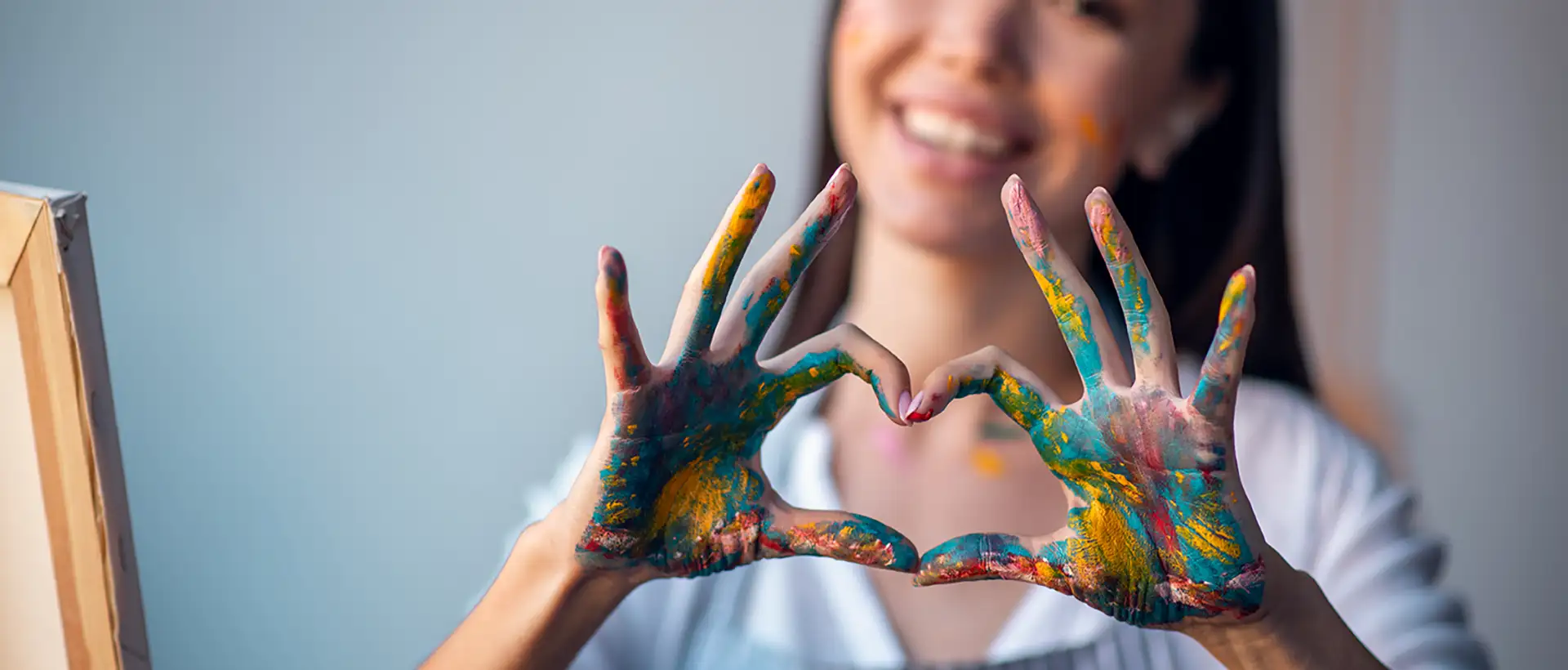
Patients may be encouraged to create visual art like drawings or paintings to represent their emotions, experiences, or inner thoughts. This can involve using colors, shapes, and symbols to convey feelings and explore personal narratives.
Making Collages
Collage-making involves assembling images, textures, and materials to create a composite artwork. Clients use magazine clippings, photographs, fabric, and other art materials to express themes such as identity, aspirations, or challenges that they are facing.
Photography
Using photography as a therapeutic tool, clients capture images to represent their experiences, perspectives, and emotions. They can explore themes such as self-expression, identity, and storytelling through photos.
Is Using Art in Therapy Effective?
There is evidence that would indicate that using art in therapy is highly effective. Art therapy harnesses the creative process and engages the mind to promote emotional expression, self-exploration, and healing.
Art provides a nonverbal and symbolic outlet for individuals to communicate thoughts, feelings, and experiences that may be difficult to express verbally. The use of art therapy is especially helpful for individuals with anxiety, trauma, depression, and other mental health challenges.
Art therapy is versatile and adaptable, making it suitable for people of all ages and backgrounds. Research supports its effectiveness, showing positive outcomes in areas such as emotional regulation, psychological well-being, and quality of life.
Should You Seek Art Therapy
Whether or not to seek art therapy depends on your unique needs and preferences. If you have trouble expressing your emotions verbally, have gone through a traumatic experience that can be hard to articulate, or are seeking a creative outlet for self-exploration, then art therapy may meet your needs.
It offers a nonjudgmental space to explore feelings, enhance self-awareness, and develop coping skills.
Consider seeking artistic therapy if you enjoy creative expression, find it hard to engage in conventional talk therapy, or want to explore your emotions in a different way.
This kind of therapy is suitable for people of all ages and backgrounds, from children to seniors.
Explore Avenues to Get Better
There is no standardization to the recovery process. Whether an individual has to overcome challenges from substance abuse, process addiction, or mental health, the recovery process will depend on their unique needs.
Some people can benefit from conventional forms of treatment alone, but others may find that their recovery can be bolstered by alternative forms of therapy.
At Luxe Recovery LA, we believe in exploring all avenues to help a person overcome their challenges. Contact us now and we can find the one that works best for you. We take most forms of insurance.