
The United States Census records that, as of 2023, 92% of all people have health insurance coverage. This leaves roughly 8% of people without healthcare coverage, which can be devastating, as it can keep a person from vital healthcare, including drug and alcohol abuse treatment.
A review of clinical and economic literature reveals that the lack of health insurance leads to various health-related consequences. However, for people who need rehab treatment for benzodiazepine use, there are ways to access benzo addiction treatment without insurance.
Understanding Benzo Addiction and the Need for Treatment
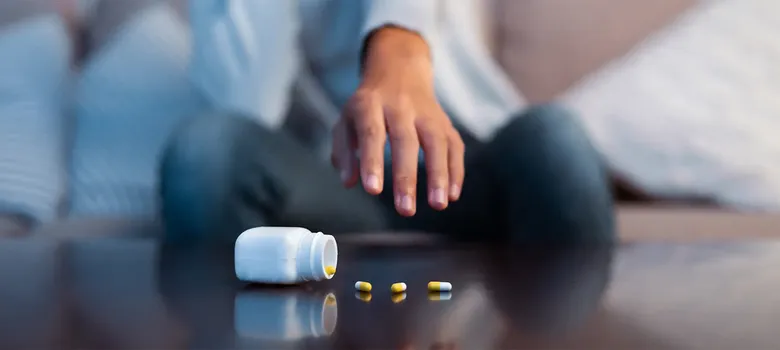
Benzodiazepines, or benzos, are usually prescribed for anxiety, insomnia, or seizures. Popular choices include Xanax, Valium, Klonopin, and Ativan. They slow down the central nervous system, which can be helpful for some conditions, but they also build tolerance and dependence surprisingly fast.
If you’re struggling with benzodiazepine addiction, you might notice you need more of the drug to get the same effect. Eventually, your body and brain start relying on benzo use to feel normal. Even when you understand the risks, quitting on your own can lead to withdrawal symptoms.
Risks of Untreated Benzo Dependence
Ignoring benzo dependence is risky. Withdrawal can bring on insomnia, anxiety, tremors, and even seizures if you try to stop suddenly. In some cases, it can be life-threatening if you’re not under medical supervision.
Long-term misuse doesn’t just affect your body; it can also affect your mental health. Mood swings, memory issues, and depression aren’t uncommon with this form of substance use disorder. Some people even experience suicidal thoughts during withdrawal, which is why professional care is so important.
Recognizing When Treatment Is Needed
If you’re taking more than prescribed, using benzos without a prescription, or struggling with cravings and withdrawal, it’s probably time to get help. Other warning signs include neglecting work or family, mixing benzos with other substances, or just feeling like you can’t get through the day without them.
Detox and structured programs let you taper off safely and reduce risks. A solid treatment plan might include therapy, medication, and long-term aftercare to help you get back on your feet.
Accessing Benzo Addiction Treatment Without Health Insurance
Even when you don’t have insurance, there are still different types of treatment that you can access. There are low-cost recovery steps, state or local programs, and national tools that can help you find affordable or even free services.
How to Start the Recovery Process
If you’re uninsured, start with what is close to you. Many community health centers and clinics offer low-cost or sliding-scale addiction recovery services such as counseling, outpatient detox, and referrals to drug rehab centers.
Faith-based programs can also help. Groups like the Salvation Army and other organizations often run free or very cheap recovery programs. While they might not always have medical detox, they do offer structure, counseling, and support, especially when you’re just starting out.
If you have a job, check if your employer offers an Employee Assistance Program (EAP). These are usually free and can connect you with confidential counseling, referrals, and other forms of short-term support.
Need Help With benzo addiction?
3 Types of Benzo Addiction Treatment Programs
Treatment for benzo addiction depends on your health, how much you’ve been using, and what kind of support you have. There are options for safe withdrawal, structured living, or more flexible outpatient care if you need to keep up with work or family.
Medical Detox and Withdrawal Management
Medical detox is where you safely taper off benzos under supervision. Withdrawal can be difficult due to anxiety, insomnia, tremors, and sometimes seizures. This is why medical supervision is so important to have medical supervision during the detox process.
You might get medications to ease symptoms and help your body stabilize. Detox usually happens in a hospital or licensed center and can last anywhere from a few days to a couple of weeks, depending on your history and health.
Inpatient or Residential Treatment
Inpatient or residential treatment means you’re living at an addiction treatment center. No outside distractions, no access to substances. This is often recommended if you’ve been using it for a long time, have a difficult withdrawal, or are dealing with other mental health issues. Programs can last 30, 60, or 90 days, sometimes longer.
Outpatient Programs
Outpatient treatment lets you live at home while going to therapy sessions at a clinic or a treatment facility. It’s a good fit if you have a solid support system, mild substance abuse issues, and a safe place to stay. Outpatient programs usually meet several times a week and focus on therapy, relapse prevention, and medication.
Low-Cost and Free Benzo Rehab Programs
There are ways to access benzo addiction treatment without insurance. State programs, nonprofits, and facilities with sliding-scale fees can make care possible even if you’re broke or uninsured.
State-Funded Rehab Centers
State-funded rehab centers use government money to provide treatment at little or no cost. They usually cover detox, counseling, and outpatient support for benzodiazepine addiction. Eligibility is based on income or lack of insurance, and every state has its own rules.
You’ll likely need to apply through your local health department or state substance use agency. There might be a waiting list, so be prepared for that. Still, these programs are one of the most reliable ways to get structured care without paying out of pocket.
Sliding Scale and Payment Assistance Programs
If you don’t qualify for free treatment, sliding scale fees can still help you access benzo addiction treatment without insurance. Clinics and centers adjust charges based on what you can actually pay.
This way, you get care without the full cost of private rehab. Other help might come in the form of scholarships, grants, or payment plans that let you pay over time. These options are viable if you need to pay for rehab out of pocket.
Supportive Services for Benzo Addiction Treatment Without Insurance
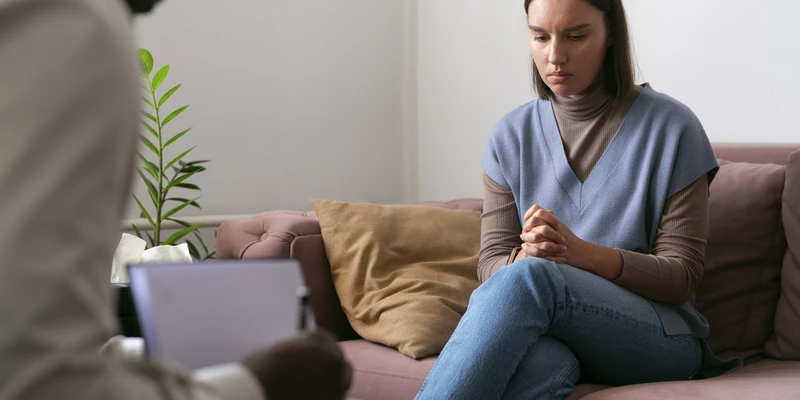
Recovery is easier with support. Community programs, peer networks, and workplace resources can give you structure, accountability, and a safe place to begin the recovery process without insurance.
12-Step and Peer Support Groups
12-step groups like Narcotics Anonymous (NA) offer a step-by-step approach that’s helped a lot of people. Meetings are free, everywhere, and full of people who understand what you’re going through.
Peer support groups meet in community centers, churches, or online. You can go daily, weekly, or whenever you need. Many offer phone and video meetings, so you don’t have to worry about getting there in person.
These groups let you share your story, listen to others, and build accountability. Showing up regularly can make a big difference, especially during tough stretches of withdrawal and recovery.
Community and Faith-Based Support
Community organizations and faith-based groups can be a lifeline if you’re looking for affordable recovery support. Churches, mosques, and temples sometimes host meetings or offer counseling for free, which is a relief if you don’t have insurance or extra cash.
Some programs mix spiritual support with practical help, such as food assistance, housing referrals, or even a ride to meetings. That kind of assistance can alleviate some pressure when you’re trying to stay focused on recovery.
There are also nonprofit organizations that sometimes have peer recovery coaches who’ll walk you through treatment options and connect you to community resources. They’re especially helpful if you want support outside of formal rehab.
Additional Financial and Practical Resources
There are ways to cut down the cost of benzo addiction treatment, especially if you don’t have private insurance. Public programs and targeted funding can make care more accessible.
Medicaid and Government Assistance
Medicaid could cover most or all of your treatment. Eligibility depends on where you live, your income, and household size. You’ll need to show proof of income and residency, and sometimes medical paperwork.
Medicaid often pays for:
- Detox services
- Inpatient or residential rehab
- Outpatient programs
- Medication-assisted treatment
Some states run state-funded rehab centers that use federal grants to offer care for free or at a very low cost. These might focus on certain groups, like pregnant women or people with urgent needs.
You Can Get Rehab Treatment Without Insurance
Seeking benzo addiction treatment without insurance may seem pointless, as a lack of insurance can seem like an insurmountable barrier to getting the treatment you need. But there are ways that you can access world-class addiction rehab without private health insurance.
Benzodiazepine addiction can be devastating, and a lack of insurance shouldn’t be a barrier to recovery. Call us to explore your options, our team will be delighted to help you.
FAQ
How long does a benzodiazepine withdrawal last?
Benzodiazepine withdrawal can last from a few weeks to several months, depending on the drug, dosage, and duration of use. Acute symptoms, such as anxiety, insomnia, and irritability, often peak within the first two weeks. For some, protracted withdrawal, with lingering anxiety or sleep problems, may persist for months.
What are the most cost-effective options for treating benzodiazepine addiction without insurance?
Community health centers and nonprofit programs are usually less expensive. Outpatient care tends to cost less than inpatient care. Some clinics also offer medication-assisted treatment at a reduced rate, which can help if you’re watching your budget.
How can I access free or low-cost support groups for benzo addiction?
Peer-led groups like Narcotics Anonymous are free and easy to find. In addition to physical meetings, there are also online meetings. Community centers and churches sometimes host groups at no charge.
Are there any government-funded programs available for benzo addiction treatment for uninsured individuals?
Yes. Reach out to your state mental health and substance use agency for referrals to government-funded programs. The SAMHSA helpline is open 24/7 and can connect with facilities that take uninsured patients.
How can I find sliding scale treatment centers for benzo addiction?
Look for clinics that adjust fees for your income. Many community health centers and nonprofits offer sliding scale options. Sometimes, just calling treatment centers will tell you if they have payment plans that fit your situation.
What community resources are recommended for individuals seeking help with benzo addiction but lack insurance?
You might want to check with your local public health department; they're usually aware of free or low-cost programs in the area. Some nonprofits and faith-based groups offer counseling or support for recovery.