
If you’re planning to quit benzodiazepines (benzos) or want to help someone who is, it’s important to understand the dos and don’ts before making any decisions. While benzo detox at home may seem appealing, seeking medical guidance first is crucial and necessary.
This article will guide you on what to expect from home detox, the risks involved, practical strategies to manage withdrawal symptoms, and how to find the right support to stay safe.
What is Benzo Detox at Home?
Benzo detox at home refers to stopping or gradually tapering off the drug outside of a treatment center, often alone or with limited support.
For many individuals, being in familiar surroundings and close to loved ones can make the detox experience feel less intimidating. Some people consider detoxing from benzos at home due to increased privacy, comfort, flexibility, or financial concerns.
While this approach may be viable for those with mild dependence and a medically approved tapering plan, it can be dangerous for people with moderate to severe addiction.
Risks of Detoxing from Benzos at Home
Benzodiazepine withdrawal can be unpredictable and, in some cases, life-threatening. Attempting to detox at home significantly increases the risk of grave health consequences.
Warning Signs Can Be Missed
In a home setting without medical monitoring, subtle but serious signs of withdrawal, such as confusion, agitation, or elevated blood pressure, may go unnoticed.
These symptoms can escalate rapidly into potentially fatal complications. Without the support of a healthcare team, immediate care may not be available when it’s needed most.
Withdrawal Symptoms Can Be Intense
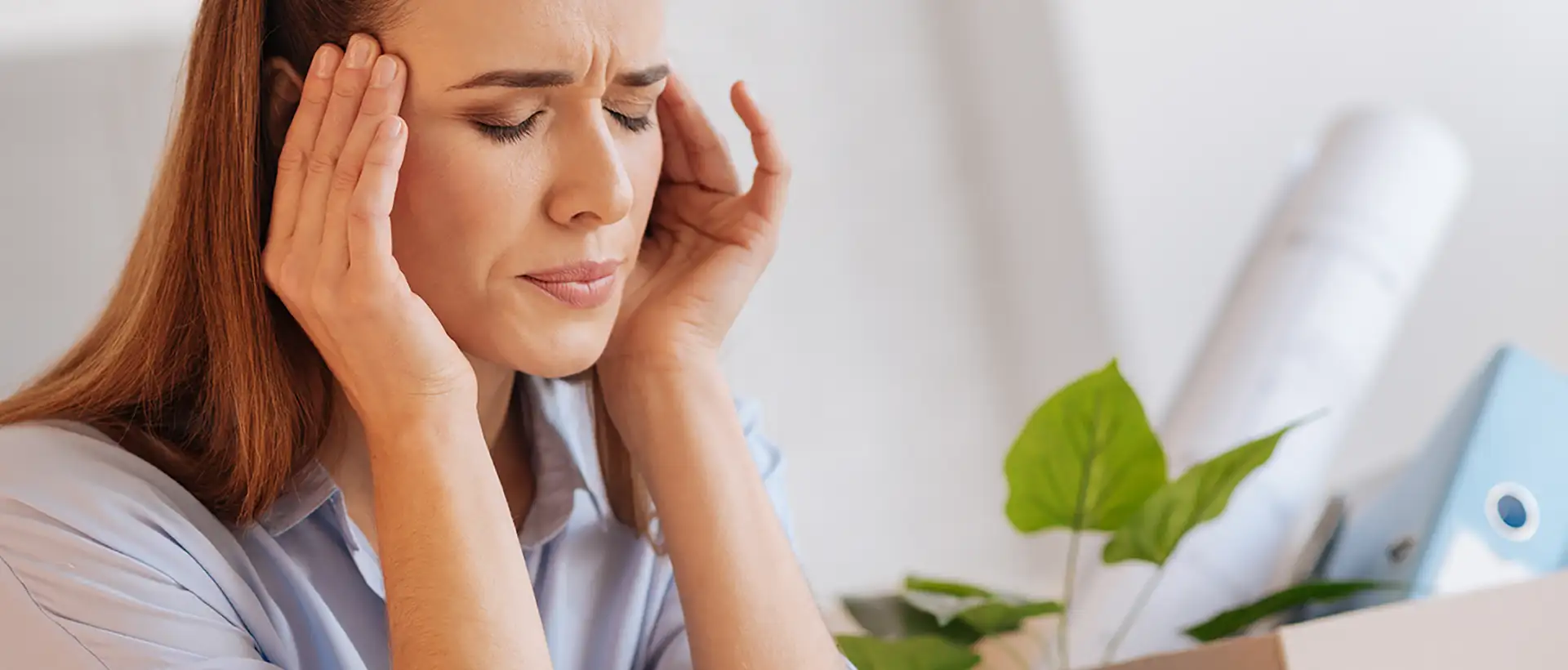
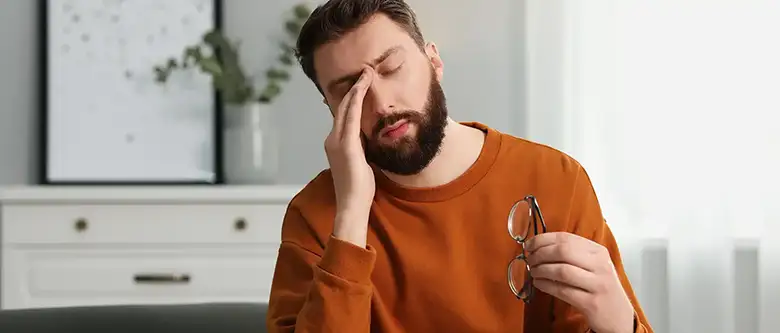
Benzodiazepine withdrawal syndrome can cause a wide range of physical and psychological symptoms, including severe anxiety or panic attacks, rebound insomnia, muscle pain and tremors, sweating, nausea, headaches, and trouble concentrating.
For those who have used benzos long-term or in high amounts, symptoms may be especially severe, leading to hallucinations, irregular heartbeat, or seizures, all of which require prompt medical attention.
Symptoms May Not Be Managed Properly
Managing withdrawal alone carries significant risks. Individuals detoxing at home often lack access to medications and critical interventions that help ease discomfort and prevent serious health issues.
Individuals with pre-existing conditions, such as epilepsy or mental health disorders, face an even higher likelihood of prolonged or severe symptoms. In contrast, medical detox programs provide full-time supervision, medication-assisted treatments, and easy access to emergency care.
Chances of Relapse Increase
Some individuals experience Post-Acute Withdrawal Syndrome (PAWS), which can involve ongoing symptoms such as low mood, restlessness, sleep disturbances, and mood swings lasting from days to several months.
Without consistent emotional and professional support, it’s easier to become discouraged and revert to substance use. Many turn to alcohol or other drugs to cope, further raising the risk of relapse, overdose, or new health problems.
Need Help With benzodiazepines?
What are Benzodiazepines?
Benzodiazepines, often called “benzos,” are a class of medications primarily used to treat panic attacks, seizures, insomnia, muscle tension, and anxiety disorders.
They work by enhancing the effects of gamma-aminobutyric acid (GABA), a neurotransmitter that slows down activity in the central nervous system, promoting calm and relaxation. Even when taken exactly as prescribed, regular use can quickly lead to physical dependence.
As the body builds tolerance, a person may require higher amounts to achieve the same effect, raising the risk of withdrawal symptoms and addiction. Commonly prescribed benzos include diazepam (Valium), alprazolam (Xanax), lorazepam (Ativan), and clonazepam (Klonopin).
Managing Benzodiazepine Withdrawal
The severity of benzo withdrawal depends on several factors, including the type, dosage, and duration of use. Whether you’re detoxing in a treatment facility or at home, preparation is essential, and professional medical guidance is a must.
Develop a Safe Detox Plan
Benzo withdrawal symptoms can begin within 24 hours after your last dose. While early symptoms are usually mild and common, they can intensify without proper management. In severe cases, symptoms may keep worsening and pose serious health risks, necessitating immediate medical intervention.
Creating a schedule and monitoring your symptoms helps maintain structure and reduce risk. A well-organized plan provides consistency, reassurance, motivation, and accountability, all critical for long-term success.
Taper Slowly with Medical Supervision
Never attempt to stop drug use abruptly. A gradual reduction in dosage is the safest approach to detox. Medical professionals typically recommend decreasing the dose by 10 to 25 percent every one to two weeks, depending on individual tolerance and overall health.
In some cases, transitioning to a longer-acting benzo, such as diazepam, may help stabilize the withdrawal process. Adjusting your taper without medical approval can be dangerous and may lead to complications or setbacks in your detox experience.
Incorporate Holistic Practices for Relief
Holistic treatment can alleviate many of the physical and emotional symptoms associated with withdrawal and addiction. Practices such as breathwork, progressive muscle relaxation, and guided meditation can help regulate the nervous system and improve sleep.
Physical activities such as yoga or tai chi offer a combination of gentle movement and mental focus, promoting relaxation, balance, and stress relief throughout the detox process.
Work Closely with Healthcare Experts
Engaging with trained professionals is one of the most effective ways to ensure a safe and successful detox. Specialists can evaluate your health history, develop a personalized tapering plan, and monitor your progress. They’re also equipped to manage co-occurring mental health conditions such as anxiety or depression, and can adjust your treatment plan as needed.
Address Mental Health Through Therapy
Detoxing from benzos is not just a physical process; it also requires emotional and psychological support. Therapy plays a key role in addressing the underlying issues that contribute to substance use.
Cognitive Behavioral Therapy (CBT), in particular, is effective for managing cravings and changing harmful thought patterns. Working with a licensed therapist can also provide valuable strategies for dealing with emotional distress and relapse triggers during and after detox.
A 2024 study found that combining CBT with gradual tapering significantly improves the success and long-term outcomes of benzodiazepine discontinuation by helping individuals manage withdrawal symptoms, reduce anxiety, and build lasting coping skills.
Connect with Peer Support Groups
Joining a support group, such as Narcotics Anonymous or SMART Recovery, and other community-based programs, can provide a sense of belongingness, structure, and strong encouragement.
Whether in person or online, these groups offer shared experience, emotional support, peer feedback, and motivation from others on a similar path to recovery.

Benzodiazepine Detox and Addiction Treatment
The risks of doing detox on your own outweigh the potential benefits. If you or a loved one is considering home detox, please seek professional help.
At Luxe Recovery, we offer medically supervised detox and personalized addiction treatment to protect your health and support lasting recovery. With the right care, overcoming benzo dependence isn’t just possible – it can be safe, empowering, and truly life-changing. Reach out today.
FAQ
What are the recommended safety precautions for detoxing from benzodiazepines at home?
Always taper slowly with medical supervision. Remove anything dangerous from your home, stay hydrated and nourished, and avoid being alone. Make sure you have someone you can call for support.
How does one recognize the signs of withdrawal from benzodiazepines?
Early signs of withdrawal may include anxiety, irritability, trouble sleeping, sweating, or nausea. More profound symptoms like confusion, paranoia, or seizures may also occur. If symptoms worsen, don't hesitate to reach out for help.
What is the typical timeline for benzodiazepine detoxification at home?
Withdrawal symptoms often begin within one to two days after stopping or reducing use, peak during the first week, and may linger for weeks or months, in some cases.
Are there any over-the-counter medications that can alleviate symptoms of benzodiazepine withdrawal?
No over-the-counter medications treat withdrawal directly. While some medicines may help ease symptoms, it's important to consult your doctor before use.
When should one seek medical assistance during at-home benzodiazepine detox?
Get help immediately if you experience severe anxiety, confusion, hallucinations, seizures, or suicidal thoughts. Even symptoms, such as vomiting, chest pain, or a fast heartbeat, should be reported to a professional.
What are the potential risks of detoxing from benzodiazepines without medical supervision?
Detoxing alone increases the risk of seizures, psychosis, and other medical emergencies. Medical oversight is strongly recommended to avoid long-term problems and reduce these risks.