
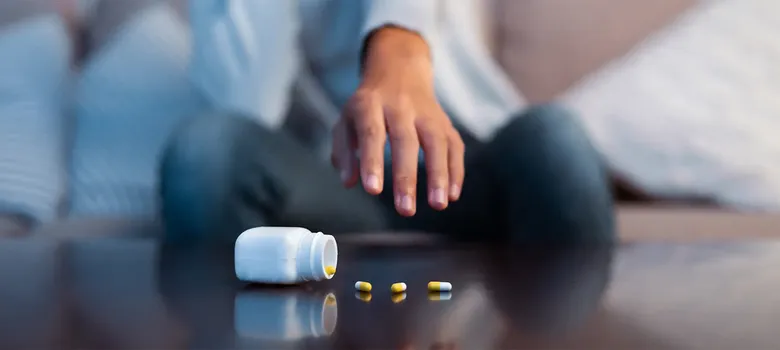
If you’re struggling with benzodiazepine dependence, finding a benzo detox program that fits is a big step toward recovery. Benzo detox programs offer medical support to help you safely stop using benzodiazepines and manage withdrawal symptoms. The goal, though, is always to help you through this tough patch. With the right care, you can start working toward a healthier life, even if it feels daunting at first.
What Are Benzo Detox Programs?
Benzodiazepine detox is a structured medical process to help you quit benzodiazepines. Usually, this happens in a clinic or treatment center, with doctors and nurses keeping watch.
The main goals include keeping you safe during withdrawal, reducing the risk of dangerous symptoms, and looking out for your health. Withdrawal from benzos can bring on anxiety, sleep issues, sweating, and sometimes even seizures.
Medical supervision matters because quitting benzos too quickly can be risky. Detox programs use gradual dose reduction, medication, and close monitoring to make things safer. They also offer emotional support and help you get ready for the next steps in addiction treatment.
Benzo detox programs handle all kinds of benzodiazepines, including prescription drugs like alprazolam (Xanax), diazepam (Valium), lorazepam (Ativan), and clonazepam (Klonopin).
If you’re using other substances, that’s part of the plan, too. Some centers create a special approach that fits your medical needs and the specific medications involved.
How Detox Works for Benzodiazepine Addiction
Benzodiazepine detox is a step-by-step process to help you come off benzodiazepines safely. Careful monitoring and supportive treatment reduce risks and help you get through withdrawal.
Medical Supervision and Safety
Detoxing from benzos like Xanax can be risky without the right help. Medical supervision is crucial because withdrawal can sometimes get pretty serious, even life-threatening.
Doctors and nurses check your health, adjust meds, and act quickly if things go sideways. Before you start, you’ll probably get a full health check to look for medical or mental health issues.
During detox, staff often use a tapering schedule. This refers to slowly lowering your dose instead of quitting cold turkey to help prevent seizures and other severe problems. Some programs offer both inpatient and outpatient setups.
Inpatient detox means you stay in a safe place with 24/7 care. Outpatient programs let you live at home but still see medical staff regularly. The best fit depends on your health, history with benzos, and your support system.
Stages of Detoxification
Detox usually follows a clear plan with set stages. First is evaluation. They look at your drug history, physical health, and mental state to plan the safest way to reduce your benzo dose.
Next comes stabilization. This is where you start your taper. Sometimes, they’ll switch you to a longer-acting benzo like diazepam to make withdrawal less intense. Your dose is reduced gradually, over days or weeks.
Finally, there’s preparing for ongoing care. Detox is just the beginning. You’ll be encouraged to look into therapy or rehab programs to get to the reasons behind your benzo use.
Some detox programs offer rapid detox that can wrap up in as little as eight days, but most use a slower approach for safety.
Need Help With Benzodiazepines?
Common Benzo Withdrawal Symptoms
When you stop taking benzos, you might deal with some rough symptoms. The most common are:
- Anxiety and panic attacks
- Trouble sleeping or full-on insomnia
- Shaking or tremors
- Sweating
- Nausea and vomiting
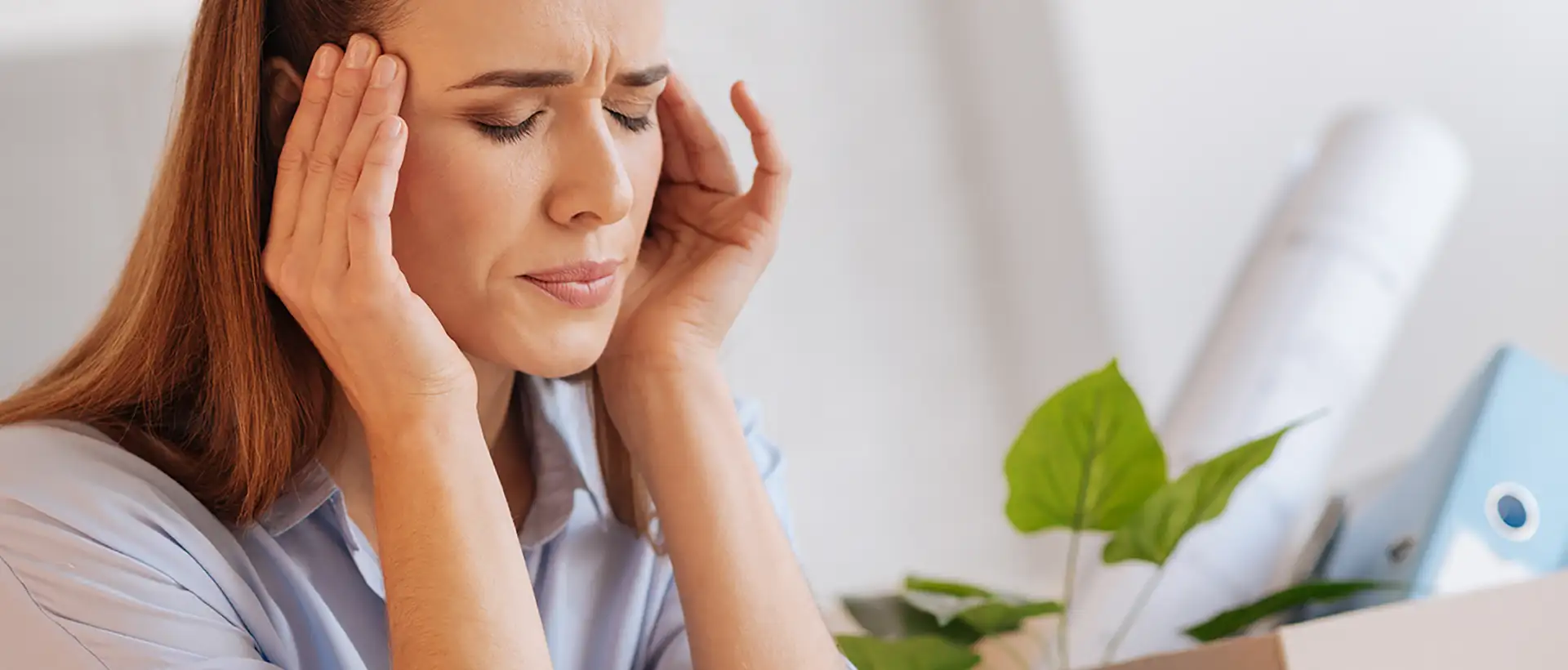
- Headaches
Some symptoms are mild, but others are medical emergencies. That’s why detox should always involve professionals.
Symptoms usually start within a day of your last dose and can peak within a week. Medical staff may give you other meds or adjust your taper to help you feel better and keep things stable.
How Long Does Detox for Benzo Addiction Take?
How long the detox process takes depends on which benzos you used, how long you took them, your health, and the detox method.
Short-acting drugs like Xanax might mean faster but more intense withdrawal. Long-acting benzos can stretch the process out.
Most benzo detox programs last from several days to a few weeks. Outpatient detox might take longer since the taper is slower. Some rapid detox methods claim you can finish withdrawal in as few as 8 days, but that’s not for everyone.
Your doctor will adjust the pace based on how you’re doing and how your body is handling the drop in medication. Detox is just the start, though. Afterwards, you’ll need more addiction treatment to avoid relapse and learn new coping skills.
Can I Detox from Benzos at Home?
Detoxing from benzos at home is risky and not recommended, as benzo withdrawal symptoms can range from anxiety and insomnia to life-threatening seizures.
When you experience withdrawal symptoms, especially severe withdrawal symptoms or protracted withdrawal symptoms, a medically supervised detox at a recovery center or rehab center is the safest approach.
The effects of withdrawal can escalate quickly, and detox alone without proper monitoring increases the risk of complications.

Choosing the Right Benzo Addiction Treatment Center
If you’re taking benzos and dealing with dependence, finding the right detox program can make all the difference in your recovery journey.
Factors to Consider
When choosing a program, start by looking at the type of care offered. Some detox centers provide medical detox, which is especially important if you have severe benzodiazepine withdrawal symptoms. Others may focus more on therapy and counseling.
You’ll also want to decide between inpatient and outpatient care. Inpatient treatment programs give you 24/7 medical supervision. This is a safer choice if you have a strong benzodiazepine addiction or a long history of substance use.
On the other hand, outpatient care may work if your benzodiazepine use disorder is less severe and you need to keep up with work or family responsibilities.
Look for programs that include therapy, such as group therapy or CBT, to help you cope with triggers and avoid relapse. CBT is an effective, non-medication treatment for drug addiction. A review of 19 clinical trials with over 1,400 patients found CBT helpful for those struggling with cannabis, cocaine, alcohol, and opioid abuse.
Accreditation and Staff Credentials
Accreditation shows that a treatment center meets strict quality and safety standards. Organizations like The Joint Commission or CARF review facilities for cleanliness, safety procedures, and quality care.
Staff credentials matter just as much. The safest detox process is led by medical professionals who know how to prescribe benzodiazepines for a safe taper and adjust your dose during withdrawal.
This is especially important for people struggling with addiction to sedatives or other commonly prescribed benzodiazepines.
Many people entering benzodiazepine detox also have depression, anxiety, or other mental health issues. Staff trained in dual diagnosis care can provide more effective and compassionate treatment.
Personalized Treatment Plans
Your detox plan should match your medical history, withdrawal risks, and your own goals. That means the program needs to start with a thorough assessment.
Medical and psychiatric evaluations are the first step. From there, your treatment program can be adjusted as you progress. This could be through lowering your dose more gradually, adding more therapy sessions, or addressing new challenges as they come up.
Personalized plans might pull in family support, peer groups, or therapies for co-occurring mental health disorders. Programs that focus on personalized treatment tend to see better recovery outcomes.
Insurance Coverage and Costs for Detox
The price of detox varies and can be expensive, but many insurance plans help with the bill. Knowing which providers are accepted and how to check your benefits can make things less stressful.
A lot of programs take a range of private insurance plans. Big names like Blue Cross Blue Shield, Aetna, and Cigna are pretty common, plus some state-subsidized options like Medicaid.
Finding a center that works with your insurance can help cut down on out-of-pocket costs. It can also get you in the door faster.
Some programs have agreements with certain providers, so coverage can vary depending on the location. It’s smart to ask directly which insurance plans are accepted before you start. Some places even help you verify your coverage.

Substance Abuse Treatment and Rehab at Luxe Recovery
When substance abuse takes hold, it can have a serious impact on your health, your relationships, and your overall sense of self.
At Luxe Recovery, we see the person behind the addiction. Every story here matters, and every benzo addiction treatment plan is built around the life you want to return to.
From the first day you walk through our doors, you’ll have a dedicated team helping you navigate the various challenges of recovery. Our programs go beyond symptom management, addressing the root causes of your substance use and giving you tools you can carry long after treatment ends.
If you’re ready to stop surviving and start living, Luxe Recovery is here to walk that road with you. Contact us today to know more.
FAQ
What are the common medications prescribed during benzodiazepine detoxification?
Doctors might use a long-acting benzodiazepine like diazepam or clonazepam to help your body adjust. These help lower the risk of severe withdrawal by giving you a steady dose that can be tapered down. Sometimes non-benzodiazepine meds, like anticonvulsants, antidepressants, or sleep aids, are used to help with certain symptoms.
What is the recommended timeline for tapering off benzodiazepines?
A taper plan usually lasts anywhere from a few weeks to several months. It depends on how long and how much you've been using benzos. Going too fast can make withdrawal worse, so most experts suggest a slower approach.
Can you outline the protocol for medically supervised benzodiazepine withdrawal?
A medically supervised withdrawal starts with a full health evaluation. Your doctor checks both your mental and physical health. You might be switched to a longer-acting benzo if needed. Then, your provider follows a taper schedule, checking your symptoms often.
What are the potential risks associated with benzodiazepine detoxification?
Risks include seizures, high anxiety, panic attacks, insomnia, rapid heartbeat, and sometimes hallucinations or psychosis. Without medical supervision, things can get dangerous. Severe withdrawal can lead to dehydration or even injury from seizures. That's why supervised detox in a clinical setting is strongly recommended.
How can one manage the symptoms of benzodiazepine withdrawal?
Working with a treatment team is key. Doctors may use medications to help with anxiety, muscle aches, or sleep issues. Supportive therapies can help you handle mental health challenges. Even simple things like regular sleep, decent meals, and light exercise can make a difference.
What support services are recommended for individuals undergoing benzodiazepine detox?
Recommended support services for benzodiazepine detox include inpatient or outpatient programs that provide medical care, counseling, and group support. Working with a mental health specialist can help manage anxiety, depression, and other challenges during withdrawal.