

The best treatment for anxiety addresses both the mind and body, which helps to ease symptoms and improve daily functioning. Options may include evidence-based psychological therapies, lifestyle changes, and medication when appropriate.
By understanding how each approach works and combining them as needed, people with anxiety disorders can reduce symptoms, strengthen coping skills, and support long-term recovery. Early intervention and consistent care offer the strongest foundation for managing this mental health condition effectively.
Understanding Anxiety Disorder
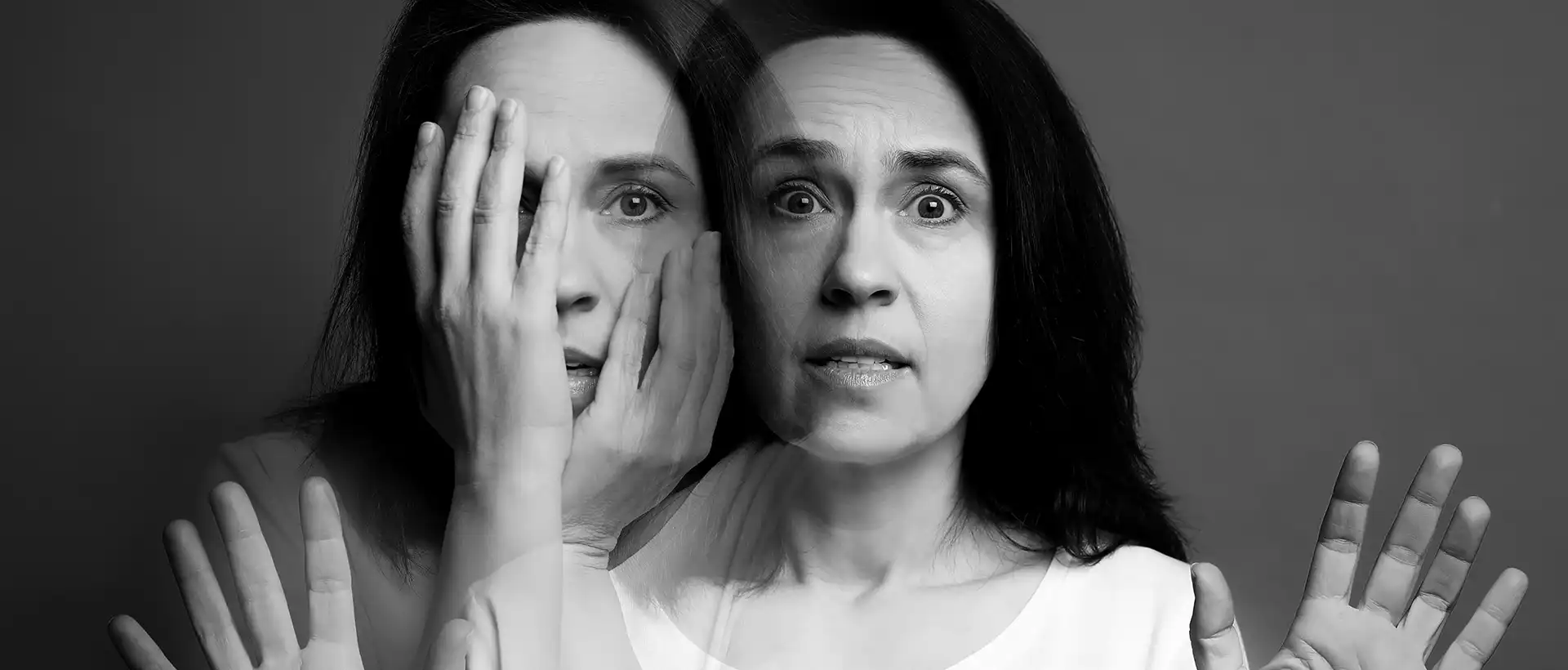
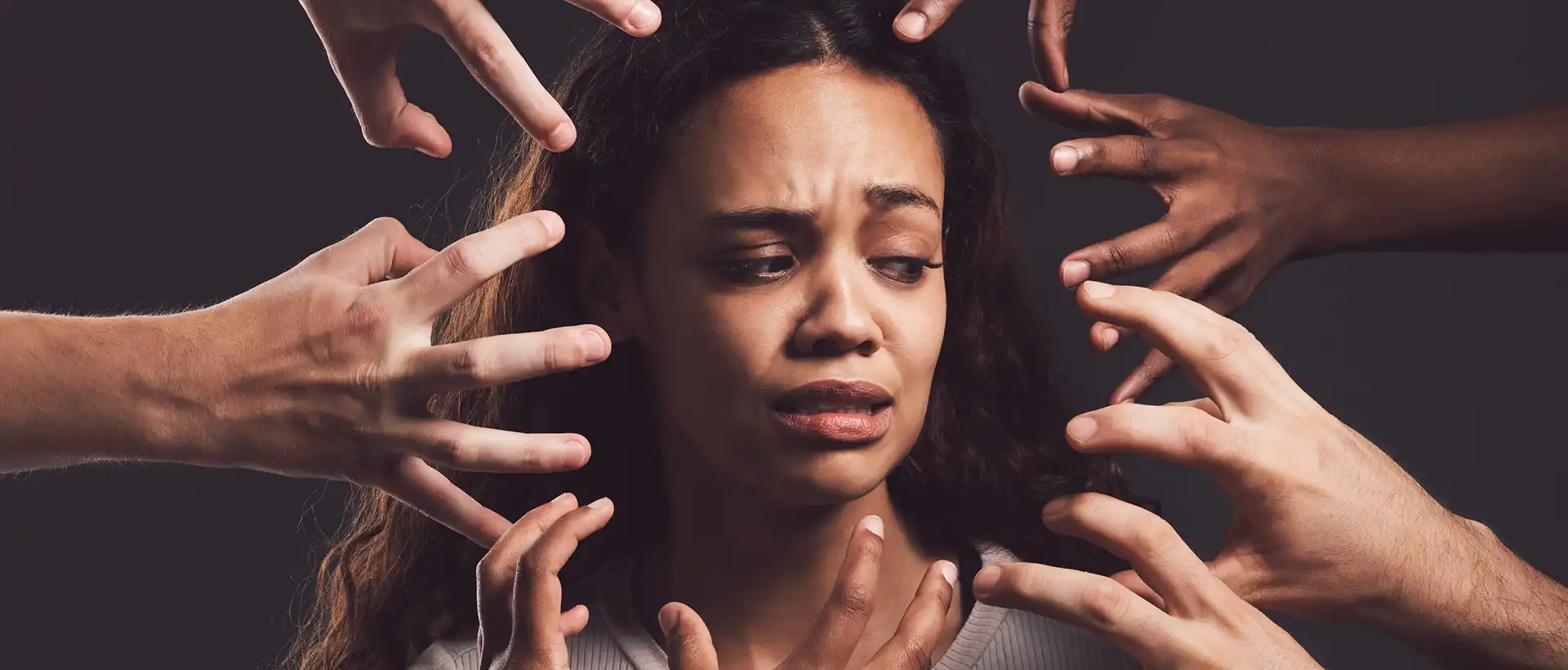
Anxiety disorders include persistent feelings of worry or fear that interfere with daily activities and relationships. It affects emotional, physical, and cognitive functioning, and requires a professional assessment to guide effective treatment.
Common Signs and Symptoms of Anxiety Disorders
You may notice restlessness, rapid heartbeat, muscle tension, and difficulty concentrating. Some people experience shortness of breath, excessive sweating, irritability, and disrupted sleep.
In certain cases, symptoms such as panic attacks appear suddenly and can feel intense, while for others, they remain constant throughout the day.
Types of Anxiety Disorders
Anxiety disorders can appear in several forms, each with distinct symptoms and patterns. Understanding the type helps guide accurate diagnosis and effective treatment. Some of the most common types include:
- Generalized anxiety disorder: persistent and excessive worry about various areas of daily life.
- Panic disorder: sudden episodes of intense fear accompanied by physical symptoms such as chest pain, trembling, or dizziness.
- Social anxiety disorder: significant distress or fear in social or performance situations.
- Specific phobias: strong and irrational fear toward particular objects or situations, resulting in avoidance behavior.
- Separation anxiety disorder: intense fear or distress when anticipating or experiencing separation from significant attachment figures.
Causes and Risk Factors
Anxiety disorders include conditions that may develop due to genetic predisposition, brain chemistry, or traumatic experiences. Chronic stress, certain medical conditions, and substance misuse can also raise the likelihood of developing symptoms.
In addition, environmental factors, including major life transitions, ongoing conflict, or lack of social support, can further contribute to the onset and persistence of severe anxiety.
Need Help With anxiety?
What Is the Best Treatment for Anxiety Disorders?
The best treatment for anxiety depends on the severity of symptoms and individual needs. Effective treatment may involve therapy, medication, healthy lifestyle habits, or a combination designed to address both physical and emotional symptoms.
Counseling and Therapies
Psychological therapies such as Cognitive Behavioral Therapy (CBT) help you identify and replace unhelpful thought patterns that contribute to anxiety, while Exposure therapy reduces avoidance and fear responses by gradually confronting anxiety triggers in a controlled setting.
In a meta-analysis of 41 randomized controlled trials involving 2,843 people with anxiety disorders, CBT significantly reduced anxiety symptoms compared to placebo. It also improved depression and quality of life, and participants were nearly three times more likely to respond to treatment.
Mindfulness-based approaches can also improve self-awareness and emotional regulation, while acceptance and commitment therapy (ACT) encourages healthier responses to distress. Regular sessions with a licensed therapist allow for consistent progress and adjustments to your treatment plan.
Medications
Selective serotonin reuptake inhibitors (SSRIs) and serotonin-norepinephrine reuptake inhibitors (SNRIs) are commonly used to treat anxiety and depression by regulating brain chemistry linked to mood.
In some cases, benzodiazepines may be used for short-term relief, although they require careful monitoring due to their potential for dependence. Beta-blockers can help manage physical symptoms such as rapid heartbeat and trembling.
It’s important to note that all medications should be taken under medical supervision to ensure proper dosing and to monitor side effects.
Lifestyle and Self-Help Strategies
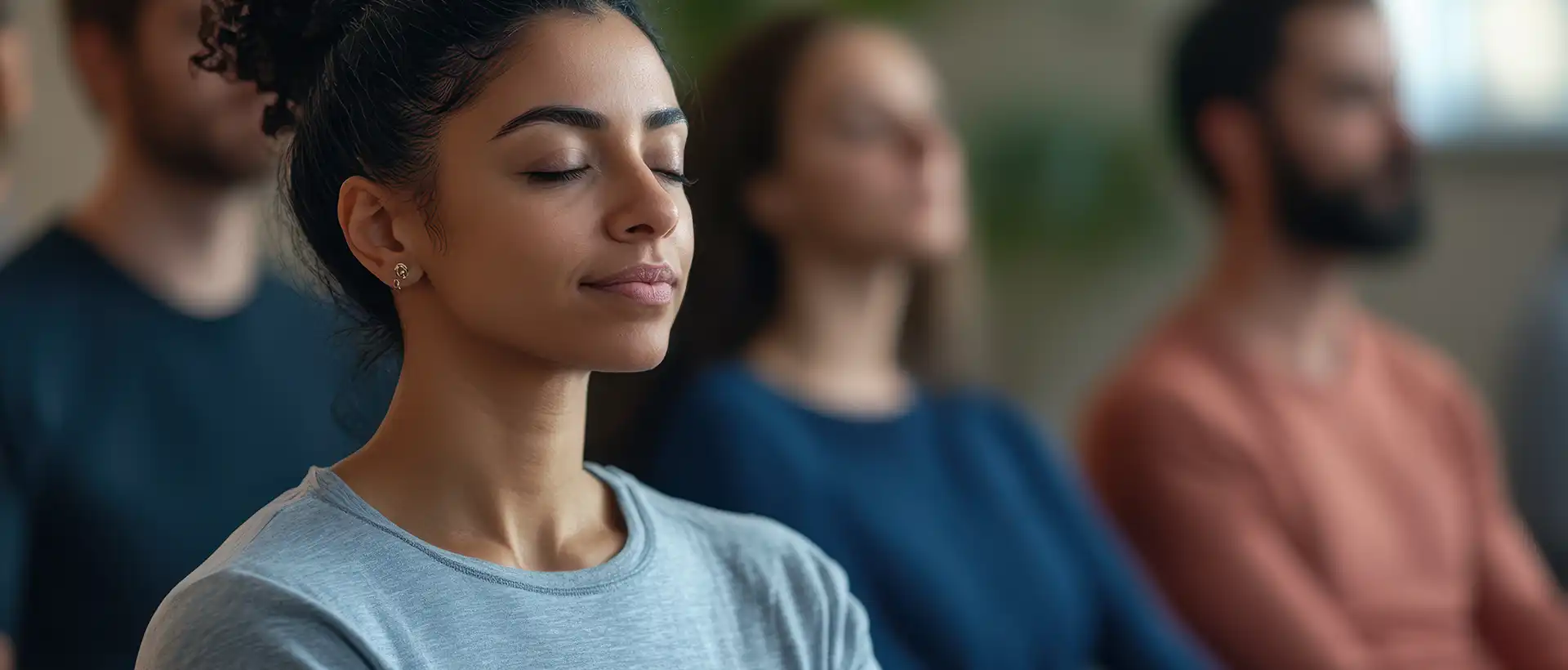
Consistent physical activity, a nutrient-rich diet, and regular sleep patterns can significantly support mental health. Relaxation techniques such as deep breathing, progressive muscle relaxation, and meditation can help reduce anxiety intensity.
Maintaining a structured daily routine, setting achievable goals, and limiting stimulants like caffeine and alcohol can also lessen symptoms. Social support from friends, family, or peer groups may provide added encouragement and perspective for people with anxiety disorders.
Combination Approach
Many individuals achieve better results by integrating talk therapy, medication, and lifestyle changes. This combined method addresses the root causes of anxiety while also managing its immediate effects.
With consistent application and professional guidance, a multi-faceted approach can improve coping abilities, help reduce symptom severity, and promote lasting anxiety treatment success.

Developing a Personalized Treatment Plan to Manage Anxiety
A personalized treatment plan matches therapeutic methods with your specific symptoms, medical history, and preferences to improve effectiveness and long-term outcomes.
Working With a Mental Health Professional
A qualified mental health professional can assess your symptoms, identify contributing factors, and recommend evidence-based anxiety treatment. This collaborative process ensures your plan addresses both the physical and psychological aspects of anxiety. Regular consultations help refine strategies, which ensure they remain an effective treatment as your needs change.
Integrating Multiple Treatment Options for Anxiety
Combining different treatments, such as therapy, medication, and lifestyle interventions, can enhance results. For example, cognitive therapy may work alongside medication to address thought patterns while helping reduce physical symptoms. Lifestyle measures like improved sleep and nutrition can further support the benefits of formal treatments.
Monitoring Progress and Preventing Relapse
Tracking your progress through regular evaluations helps identify improvements and areas that require adjustment. Early recognition of returning anxiety symptoms allows for timely intervention. Preventive measures, such as ongoing skill practice and consistent follow-ups, reduce the likelihood of relapse and help maintain symptom management.
Is there a Link Between Generalized Anxiety Disorder and Addiction?
Generalized anxiety disorder (GAD) and addiction frequently appear together, creating challenges for diagnosis and anxiety treatment. Persistent worry, restlessness, and physical tension may lead you to use substances like alcohol in an attempt to reduce anxiety. This pattern can gradually develop into dependence or a substance use disorder.
Substance misuse can worsen anxiety symptoms by changing brain chemistry and intensifying stress responses, making the condition harder to manage. Integrated psychological therapies combined with medical care often provide the most effective treatment.
This coordinated approach addresses both conditions at once, supports healthier coping strategies, and lowers the risk of relapse while aiming to reduce anxiety sustainably.

Get Help With Anxiety and Improve Your Mental Health at Luxe Recovery
Luxe Recovery provides proven treatments and supportive care to help manage anxiety and improve mental health. Our team of professionals works with each individual to identify effective strategies that encourage progress and build resilience.
With the right guidance and therapeutic approaches, you can address symptoms, strengthen coping skills, and move toward lasting improvements in your overall well-being.
FAQ
What are the Most Effective Non-Medication Strategies for Managing Anxiety?
Therapies like CBT, mindfulness practices, relaxation techniques, and regular physical activity can significantly reduce anxiety symptoms by improving coping skills and emotional regulation.
How Effective are Antidepressants for Anxiety Disorders?
Antidepressants, specifically SSRIs and SNRIs, are effective for many individuals in reducing anxiety symptoms by regulating brain chemistry linked to mood and stress responses.
What Techniques can Quickly Lower Feelings of Anxiety?
Deep breathing, grounding exercises, and progressive muscle relaxation can ease anxiety by calming the nervous system and restoring a sense of control.
How can Lifestyle Changes Support Long-Term Recovery from Anxiety?
Balanced nutrition, regular exercise, adequate sleep, and reduced caffeine or alcohol intake can strengthen overall mental health and lower the risk of recurring anxiety symptoms.
How Does Sleep Quality Affect Anxiety Levels?
Poor sleep can heighten stress responses and worsen anxiety, while consistent and restorative sleep supports emotional regulation and resilience against triggers.
How Does Cognitive Behavioral Therapy Help Treat Anxiety Disorders?
CBT helps by identifying unhelpful thought patterns, replacing them with more rational perspectives, and teaching practical coping strategies to manage and reduce anxiety symptoms effectively.