
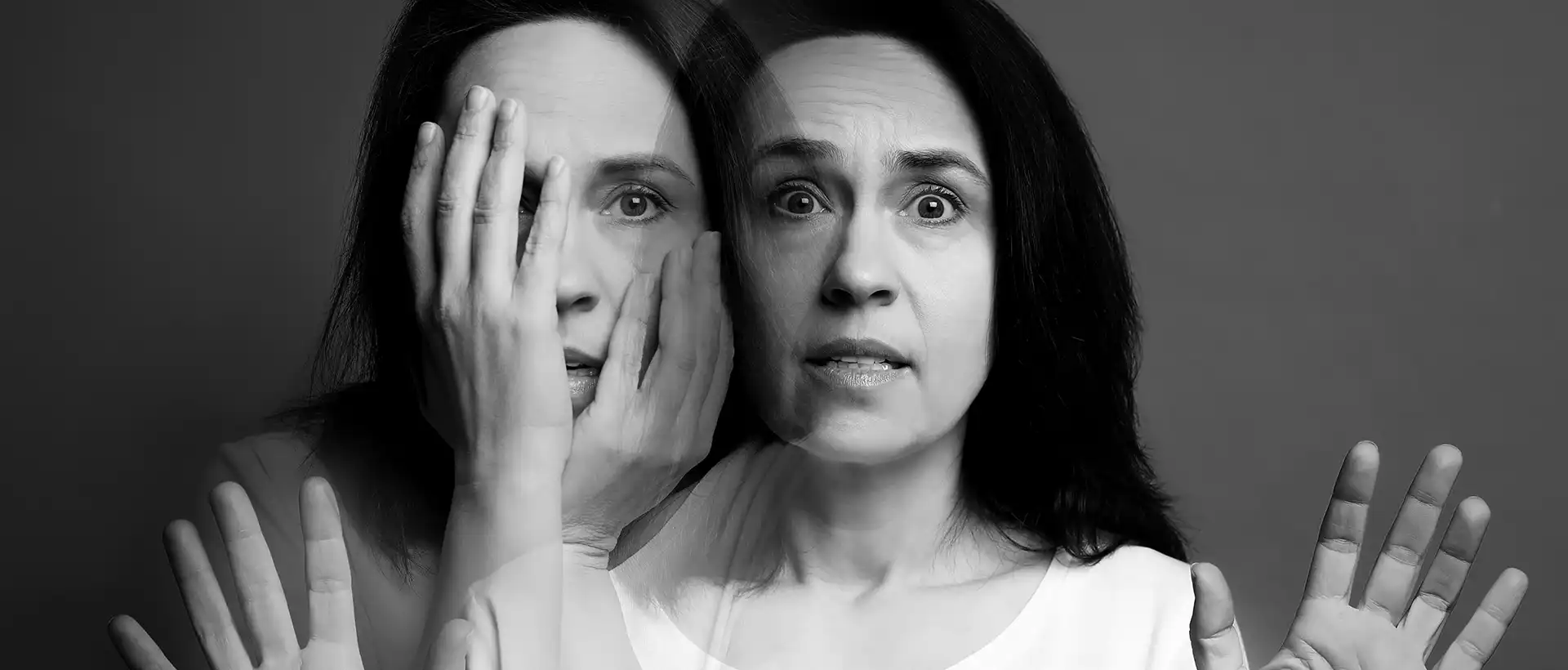

In any given moment, there are millions of social interactions happening. For most people, these situations are seen as normal occurrences that they don’t have to think about. But there are some people for whom social situations are a trigger for anxiety.
Social situations can feel overwhelming when anxiety takes over, making even simple interactions seem impossible. CBT for social anxiety gives you practical tools to change unhelpful thoughts and behaviors so you can manage social anxiety effectively.
Understanding Social Anxiety Disorder
Social anxiety disorder is a persistent fear of social situations where you might feel judged or embarrassed. You may even find yourself panicking when in a social situation. This is not the same as being shy or introverted; it is a medical condition.
You might worry about being judged, humiliated, or rejected. This fear can push you to avoid things like speaking up at work, going to social events, or even making eye contact.
Common Symptoms and Impacts
The symptoms of social anxiety aren’t just mental; they’re physical and emotional. You might find yourself worrying way too much before, during, and after social events. Physically, there’s sweating, trembling, blushing, or an accelerated heart rate.
Common signs include:
- Fear of judgment in conversations or group settings
- Avoidance behaviors like skipping events or staying quiet
- Physical distress (nausea, dizziness) in social situations
These symptoms can make it difficult to make friends, move up at work, or stay in school. Many people end up feeling isolated or misunderstood, which can worsen anxiety or lead to depression.
The disorder can keep you from activities you’d probably enjoy if anxiety didn’t affect you. Over time, avoidance and fear can reinforce each other, making it more difficult to break the cycle.
Prevalence and Demographics
Social anxiety disorder is one of the most common anxiety disorders, with the National Institute of Mental Health estimating that more than 12% of adults in the United States will be affected by it at some point in their lives. It usually starts in the teenage years, but sometimes earlier or later. While it affects people of any gender, women tend to report it at higher rates than men.
What Is CBT for Social Anxiety Disorder?
Cognitive behavioral therapy is an evidence-based, structured form of talk therapy that focuses on how your thoughts, feelings, and behaviors are all interconnected and how they contribute to anxiety disorders.
Core Principles of CBT
Cognitive behavioral therapy is based on the principle that thoughts, feelings, and behaviors mutually influence one another. Change one, and the others will follow suit. You’ll learn to identify negative thought patterns (cognitive distortions) that contribute to stress or anxiety.
Therapists use tools like thought records, exposure exercises, and behavioral experiments. These help you test your assumptions and see if your cognitive distortions and unhealthy beliefs are true or not.
CBT for social anxiety disorder is goal-oriented. You tackle specific challenges, track progress, and build skills you can use in feared situations once therapy ends.
Need Help With anxiety?
How CBT Treats Social Anxiety
Cognitive-behavioral therapy for social anxiety helps you challenge the thoughts and behaviors that make you socially anxious. It provides you with structured tools to challenge anxious thinking, face scary situations in manageable steps, and develop social and coping skills. Multivariate meta-analyses of post-treatment assessments indicated that CBT was effective for social anxiety disorder.
Identifying and Challenging Negative Thoughts
Social anxiety is often fueled by automatic negative thoughts. In cognitive therapy, you learn to catch these thoughts and ask if they’re really true.
You practice cognitive restructuring, which is when you ask yourself questions such as:
- What’s the evidence for this?
- What’s the evidence against?
- Could there be a more balanced way to look at it?
By swapping distorted beliefs for more realistic ones, you can reduce anxiety. With time, this helps you approach social situations more easily.
Exposure Strategies and Fear Hierarchies
Avoidance can often contribute to social anxiety. Cognitive-behavioral therapy uses exposure therapy to help you face fears gradually. You and your therapist build a fear hierarchy: a list of social situations, from least to most distressing. You may also get homework assignments to help you in between sessions.
Developing Coping and Social Skills
A lot of people with social anxiety feel lost in conversations or group settings. CBT tackles this by teaching practical coping and social skills.
Role-playing social situations is common. You practice greetings, making small talk, or asking questions. Relaxation techniques like deep breathing or progressive muscle relaxation help with physical symptoms. These self-help tools make it easier to stay present in the moment.
Therapists also suggest positive self-statements to push back against harsh self-criticism. Changing thoughts such as ‘I’m awkward’ to ‘I’m doing my best, and most people are focused on themselves’ can make a difference in how anxious you become in social situations.
By combining coping strategies with social practice, CBT helps you feel more capable in everyday life.
Role of Medication in Treatment for Social Anxiety
SSRIs are often used in the treatment of social anxiety disorders, as well as other anxiety disorders. They boost serotonin in the brain, which can ease anxiety symptoms. Medications like sertraline, paroxetine, and fluoxetine are common.
Side effects can include nausea, weight changes, sexual dysfunction, and sleep problems. They often improve, but sometimes people stop taking the medication because of them.

Cognitive Behavioral Therapy for Social Anxiety Disorder Can Help You
The symptoms of social anxiety can make living difficult, as it’s almost impossible to avoid social situations. But with effective treatment, it is possible to overcome social anxiety and be in social situations without overwhelming fear.
At Luxe Recovery, we’ll offer you or a loved one CBT for social anxiety. We’ll also offer other interventions for anxiety and depressive disorders to help you manage your symptoms and live a life that’s not held back by your mental health.
FAQ
What are effective CBT strategies for managing social anxiety?
Some of the most helpful strategies include cognitive restructuring, which is basically identifying and reframing negative thoughts. Exposure therapy lets you face difficult situations gradually, at your own pace. Other tools include: behavioral experiments, social skills training, and mindfulness techniques for reducing those physical anxiety symptoms.
How can CBT worksheets be used to treat social anxiety?
CBT worksheets can be useful as they give you a way to record your thoughts, feelings, and behaviors. You can use them to spot automatic thoughts, challenge the unhelpful beliefs, and plan exposure exercises. They’re also useful for building consistency as you practice new skills outside of therapy.
What does a typical CBT treatment plan for social anxiety disorder entail?
In general, you’ll start with psychoeducation to understand how anxiety works. Then you move on to cognitive restructuring, graded exposure tasks, and social skills practice. There’s often homework to keep you moving forward between sessions.
Where can I find a qualified CBT therapist for social anxiety near me?
You can find a qualified CBT therapist for social anxiety by asking your primary care doctor or mental health provider for a referral. Local hospitals, counseling centers, and private treatment centers often have specialists trained in CBT.
What are the goals of CBT for social anxiety?
The goals of CBT for social anxiety include reducing fear of social situations, challenging unhelpful thought patterns, and gradually facing feared situations to build confidence.
How many sessions of CBT for social anxiety are needed before improvement?
Most people with social anxiety may notice improvement from CBT within 8 to 12 sessions, though a full course of treatment often lasts 12 to 20 sessions. Progress depends on factors like severity, consistency of practice between sessions, and individual response to therapy.