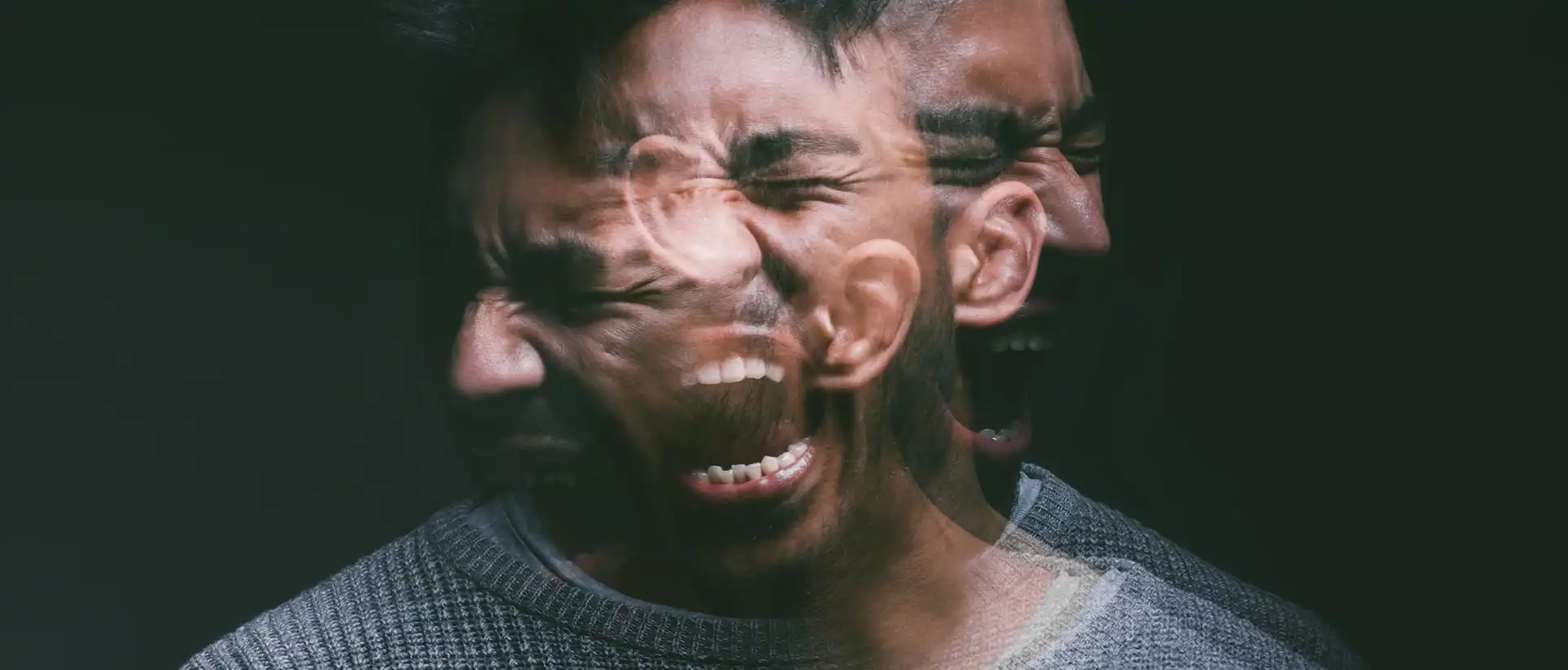


Going through a traumatic experience can leave a lasting impact on how you think, feel, and your daily life. Maybe you’ve noticed waves of fear or stress, or find yourself avoiding things that remind you of what happened. CBT therapy for trauma gives you practical tools to understand these patterns and build healthier ways to cope.
What Does Trauma Do to Thoughts, Feelings, and Daily Life?
Trauma can change the way you see yourself and the world. It’s not just about what happened, but also about how it can affect us long after the fact. Knowing what triggers trauma, how it affects your mind, and spotting the signs of post-traumatic stress disorder (PTSD) can make it easier to know when to reach out for support.
Types of Trauma and Common Causes
Trauma doesn’t affect everyone the same way. Acute trauma might come from a single event, like a car crash or a natural disaster. Chronic trauma is more about repeated exposure, such as ongoing abuse or violence. Complex trauma occurs when multiple or long-term traumatic events happen, which is often the case with an abusive partner or parent.
Some common causes of trauma include:
- Serious accidents or injuries
- Physical or sexual assault
- Military combat or being in a war zone
- Natural disasters such as earthquakes, floods, or hurricanes
- Long-term emotional abuse or neglect
Effects of Trauma on Mental Health
Trauma can cause your body and brain to be in a constant state of alert. After something traumatic, you might find yourself anxious, hypervigilant, or struggling to relax.
These effects can be particularly prevalent in children and adolescents, as they can lead to Complex PTSD. The Centers for Disease Control notes that childhood trauma can often manifest as anxiety, stress, depression, or some form of addiction.
Depression is also common. You might lose interest in things, feel numb or hopeless, or not have the energy you used to. Trouble focusing, sleeping, or connecting with people can also be prevalent.
Avoidance is another symptom. This can manifest as you’re steering clear of places, people, or even thoughts that remind you of your traumatic experience. While it might feel safer, it often makes life smaller and tougher, and can lay the foundation for post-traumatic stress disorder to worsen.
What Is CBT Therapy for Trauma?
Cognitive-behavioral therapy (CBT) is focused on noticing how your thoughts, feelings, and actions connect. Trauma-focused cognitive behavioral therapy offers a set of structured tools to help reduce distress, manage triggers, and develop coping skills.
What Core Ideas Guide Cognitive Behavioral Therapy for Trauma?
Trauma-focused cognitive-behavioral therapy rests on the idea that your thoughts shape how you feel and what you do. If you can shift those unhelpful thoughts, you can change the way you react and behave.
In sessions, you learn to identify and understand your negative thinking patterns, like self-blame or expecting the worst. Then you practice replacing them with more realistic, less harsh ones.
Some main strategies in TF-CBT include:
- Cognitive restructuring: Challenging those distorted beliefs.
- Behavioral activation: Getting back into healthy activities.
- Skills training: Learning ways to relax and solve everyday problems.
How CBT Addresses Trauma-Related Disorders
CBT for trauma helps you draw the line between what happened and what you’re experiencing now. For example, you might start to see how flashbacks or panic attacks are tied to certain thoughts or triggers.
Trauma-focused CBT usually includes gradual exposure by revisiting memories at a safe pace to reduce their emotional impact.
By blending cognitive restructuring with behavioral strategies, CBT therapy for trauma can help ease PTSD, anxiety, and depression symptoms. Over time, you may find yourself feeling more resilient and more in control of your life.
Need Help With Trauma?
Key Techniques Used in CBT for Trauma
CBT therapy for trauma uses methods that are focused on shifting harmful thoughts, reducing avoidance, and building up the skills you need to deal with tough moments. A treatment approach will include:
Cognitive Restructuring and Challenging Cognitive Distortions
Cognitive restructuring is identifying and changing negative thought loops that trauma can leave behind. In psychological treatment for PTSD or other conditions related to traumatic experiences, you may become curious about these beliefs.
A thought record or journal can be useful, as writing down what is in your head makes it easier to notice patterns. Over time, you’ll likely notice those thoughts losing their potency, replaced by something more balanced.
Exposure Therapy
Avoiding reminders of trauma feels safer, but it can make things worse over time. Exposure therapy helps you face those reminders in a safe, controlled way. You and your therapist might come up with a list of triggers, starting with the least distressing, and you’ll expose yourself to these triggers during therapy sessions.
Coping Strategies and Emotional Regulation
Trauma can make it tough to control strong emotions. CBT gives you coping strategies to help manage those feelings instead of being overwhelmed by them.
You might learn to identify the early signs of distress and use grounding exercises to come back to the present. The ‘5-4-3-2-1’ method is a widely-used method: notice five things you see, four you feel, three you hear, two you smell, one you taste.
Mindfulness and Relaxation Techniques
In the treatment of post-traumatic stress disorder, mindfulness is about paying attention to the present moment, without judgment. Simple relaxation techniques, such as deep breathing, progressive muscle relaxation, or guided imagery, can help your body relax.
Some programs integrate body-based practices like yoga or mindful walking. These can help you reconnect with your body and feel more grounded.

Benefits and Effectiveness of CBT Therapy for Trauma
CBT therapy for trauma helps you tackle the lingering effects of trauma by targeting physical and emotional symptoms, reshaping tough thought patterns, and building your coping skills.
Improving Emotional Well-Being and Resilience
CBT therapy for trauma is not just concerned with addressing the symptoms of PTSD or other trauma-related conditions; it’s also concerned with your emotional well-being. You develop practical tools for managing stress, handling emotions, and improving relationships.
CBT aims to boost resilience. It’s not about erasing what happened, but about changing how you see yourself and your ability to move forward. Instead of feeling trapped within your trauma, you can start to develop a more hopeful, balanced outlook.
Trauma-Focused Treatment Can Help You Move Forward
Psychological therapies like CBT may be vital for addressing PTSD symptoms and related behavior problems. Luxe Recovery offers CBT therapy for trauma, along with other trauma-focused treatments, to help you move forward in your life. The past can’t be changed, but you still have control over your future.
FAQ
What are the core principles of cognitive behavioral therapy in treating trauma?
You’ll learn to identify unhelpful thought patterns tied to your trauma narrative. CBT helps you challenge those and swap them out for something more realistic or balanced. This tends to take the edge off emotional distress and makes it easier to cope.
How does CBT differ from other forms of therapy for trauma recovery?
CBT is primarily focused on the present rather than the past. You work on practical strategies for managing symptoms day by day. Other therapies might be less structured, but CBT adheres to specific techniques like cognitive restructuring and exposure.
Can CBT be used to treat post-traumatic stress disorder (PTSD), and if so, how?
CBT is one of the top choices for treating PTSD. It often includes methods like cognitive processing therapy (CPT) and Prolonged Exposure (PE). CPT helps you rethink trauma-related beliefs, while PE is about gradually facing memories safely.
What does a typical CBT session for trauma involve?
Most sessions run about 50 minutes and follow a set plan. You might review symptoms, try out coping skills, and work through trauma-related thoughts. Therapists usually give you some exercises to practice between sessions, so you can use what you’ve learned in real life.
How long does it typically take to see improvements in trauma symptoms with CBT?
Most treatment plans run 12 to 20 sessions, but it depends on individual needs. Some people notice changes within a few weeks, while others need more time. Factors that can affect the length of treatment include the severity of symptoms and how engaged the patient is with the treatment process.
Are there any risks or potential side effects of using CBT for trauma?
You might notice some discomfort when you start talking about difficult memories. This tends to fade throughout treatment. Physical risks are not associated with cognitive behavior therapy, but treatment requires emotional commitment.