


Clonazepam Addiction Treatment
Home Clonazepam Addiction Treatment

Clonazepam Addiction Treatment

What Is Clonazepam Addiction?

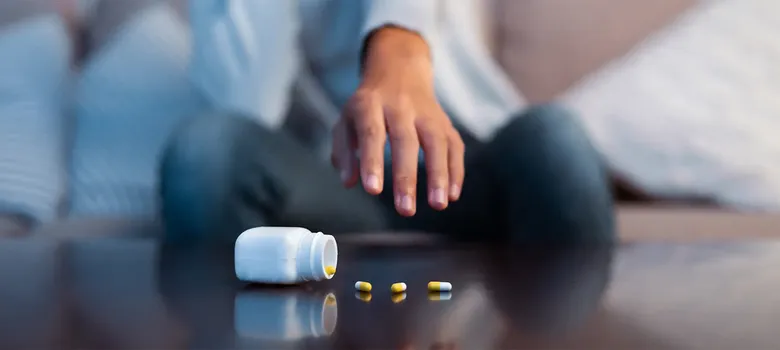
Clonazepam is a prescription benzodiazepine used for panic disorder, epilepsy, and some seizure issues. Under the name Klonopin, it calms brain activity, which helps with conditions such as excessive fear or unexpected muscle movements.

Used as prescribed, it’s usually safe, but taking more than you should or using it without a doctor can lead to dependence more quickly than many people realize.

With regular abuse, tolerance creeps in. The body gets used to the drug, so you need more to feel the same effects. This is often the point where misuse escalates and addiction takes hold. Misuse, withdrawal when attempting to stop, and eventually, your brain no longer functions properly without the medication.

We see firsthand at Luxe Recovery how long-term benzodiazepine use can interfere with sleep, memory, and mood. Our clinicians are skilled in managing withdrawal safely and developing treatment programs that prioritise your comfort and safety.

Signs and Symptoms of Clonazepam Abuse

Clonazepam, sold under the brand name Klonopin, is a benzodiazepine commonly used to treat panic disorder and anxiety. Proper use is usually harmless.

However, it’s easy to develop physical dependence, especially if you’re taking more than prescribed. At Luxe Recovery in Los Angeles, our team is here to help you overcome this problem.

Early signs of misuse and addiction include mood swings, increased anxiety, depression, irritability, and isolation. Memory issues, confusion, or difficulty concentrating are also common effects of Klonopin, especially when taken at high doses.

Clonazepam withdrawal can be serious. Benzodiazepine withdrawal symptoms include insomnia, tremors, agitation, and, in some cases, seizures or deep depression. Trying to quit alone or suddenly can be dangerous.

interviewing

Risk Factors for Clonazepam Dependence

Clonazepam carries a high addiction potential, especially when misused. Many people don’t realize how easily dependence on Klonopin can develop. For instance, taking Klonopin in higher doses, for longer than prescribed, or abruptly stopping Klonopin without medical support is a serious risk factor. 

Other factors, like a history of drug and alcohol addiction, mental health challenges, or chronic stress, can increase the risk of addiction. Genetics, trauma, and environment also play a role.

Clonazepam and Klonopin Addiction Treatment

When treating addiction, you need to address both the physical dependency and the underlying causes, like stress, trauma, or mental health struggles.

bedroom

Detoxification and Medical Supervision

Detox is usually the first step. The use of clonazepam can depress the central nervous system. Stopping suddenly can bring on rough symptoms, such as anxiety, insomnia, tremors, and even seizures.

For those using clonazepam, medically supervised detoxification is strongly recommended. At Luxe Recovery, our clinical staff is available 24/7 to monitor your progress and adjust medications as needed, or step in if any changes occur. This hands-on approach helps keep you comfortable and safe, despite Klonopin withdrawal.

We use a slow taper, gradually reducing your dose to lower risks. We also consider your home situation and any other health concerns to create a plan that suits your life. Sometimes, we may use additional medications to make the process smoother.

movie theatre

Inpatient and Outpatient Rehab Programs

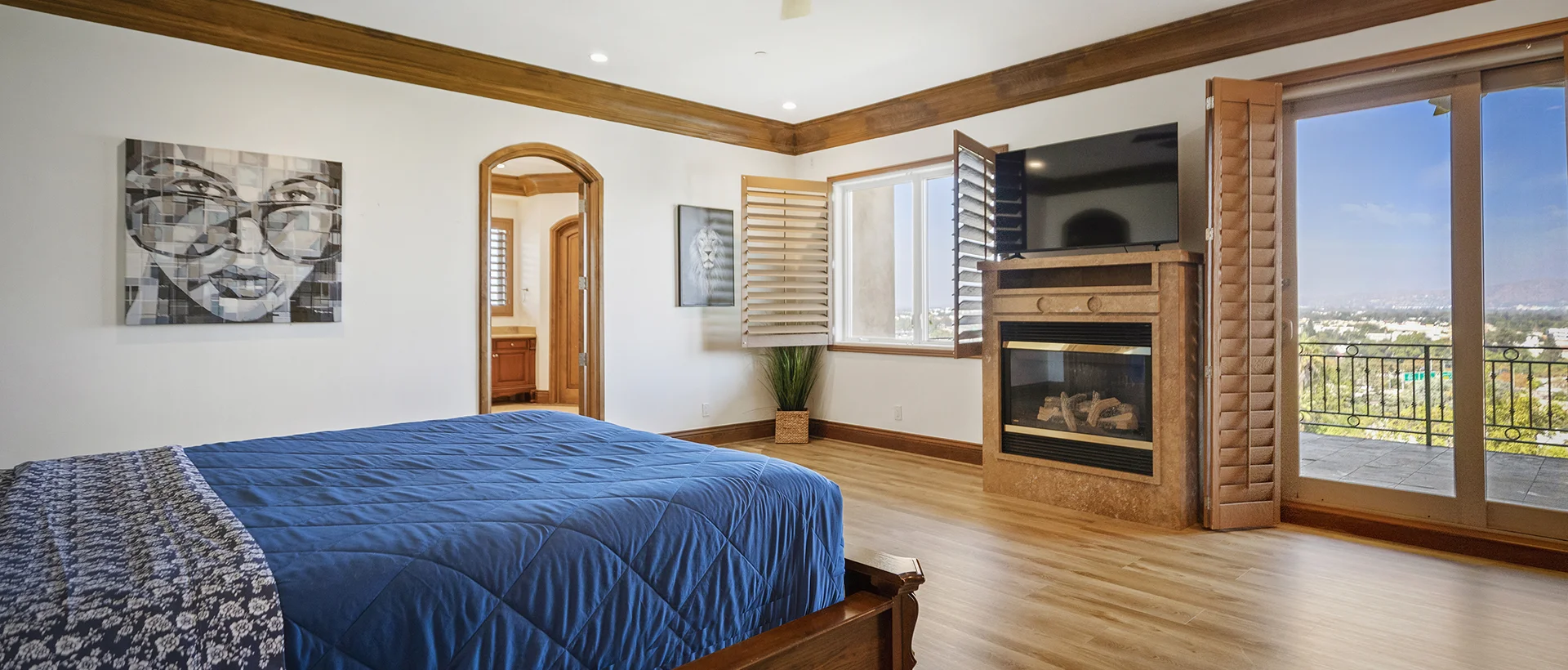
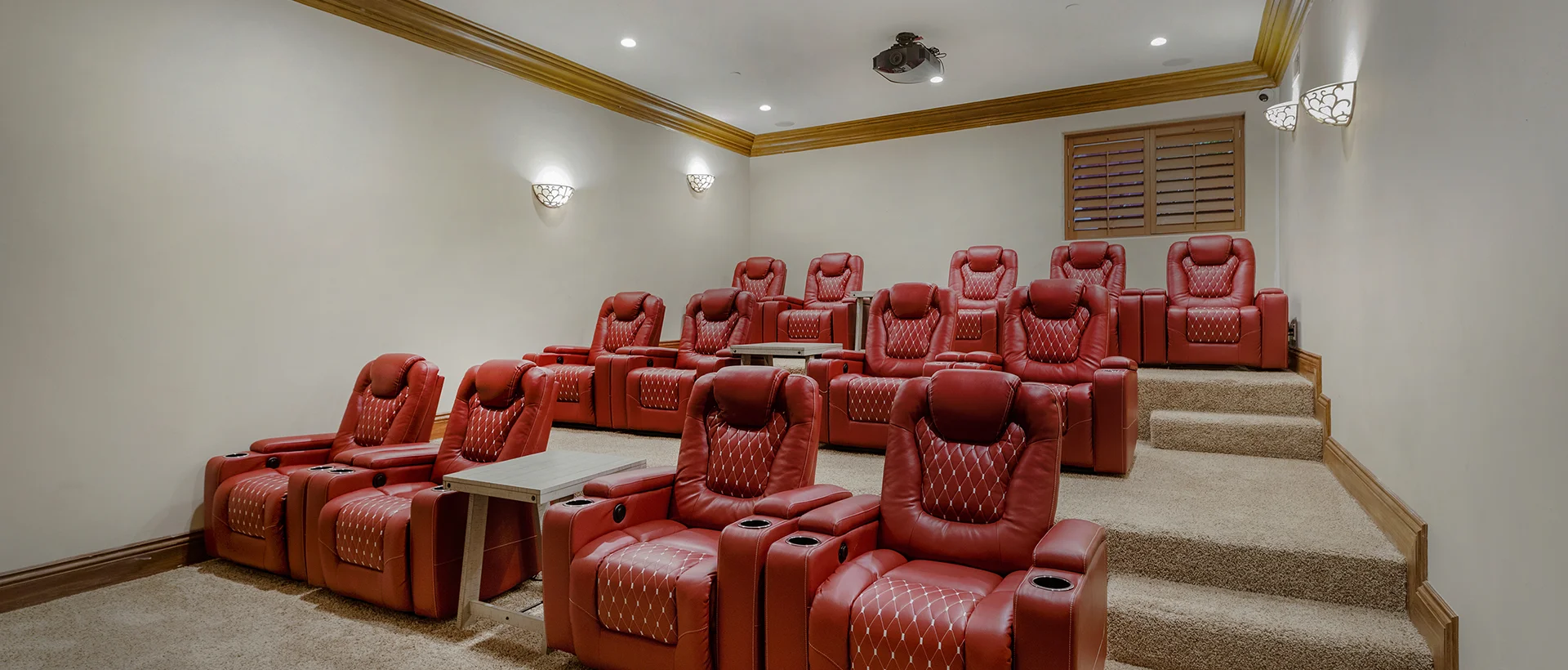
Treatment for Klonopin addiction can be inpatient (where you stay at the facility) or outpatient (where you go home at night). At Luxe Recovery, our Los Angeles residential facility provides a safe environment with round-the-clock care and a team that covers all the bases.

Inpatient care may be more appropriate if your living situation lacks structure or medical support. 

On the other hand, outpatient rehab allows you to return home each night. It’s a suitable option for those with a stable support system and no significant medical risks requiring continuous supervision.

Both options include group therapy, one-on-one counseling, relapse prevention, and coordination with your outside support. Our team will help you determine the most appropriate level of care based on your individual needs.

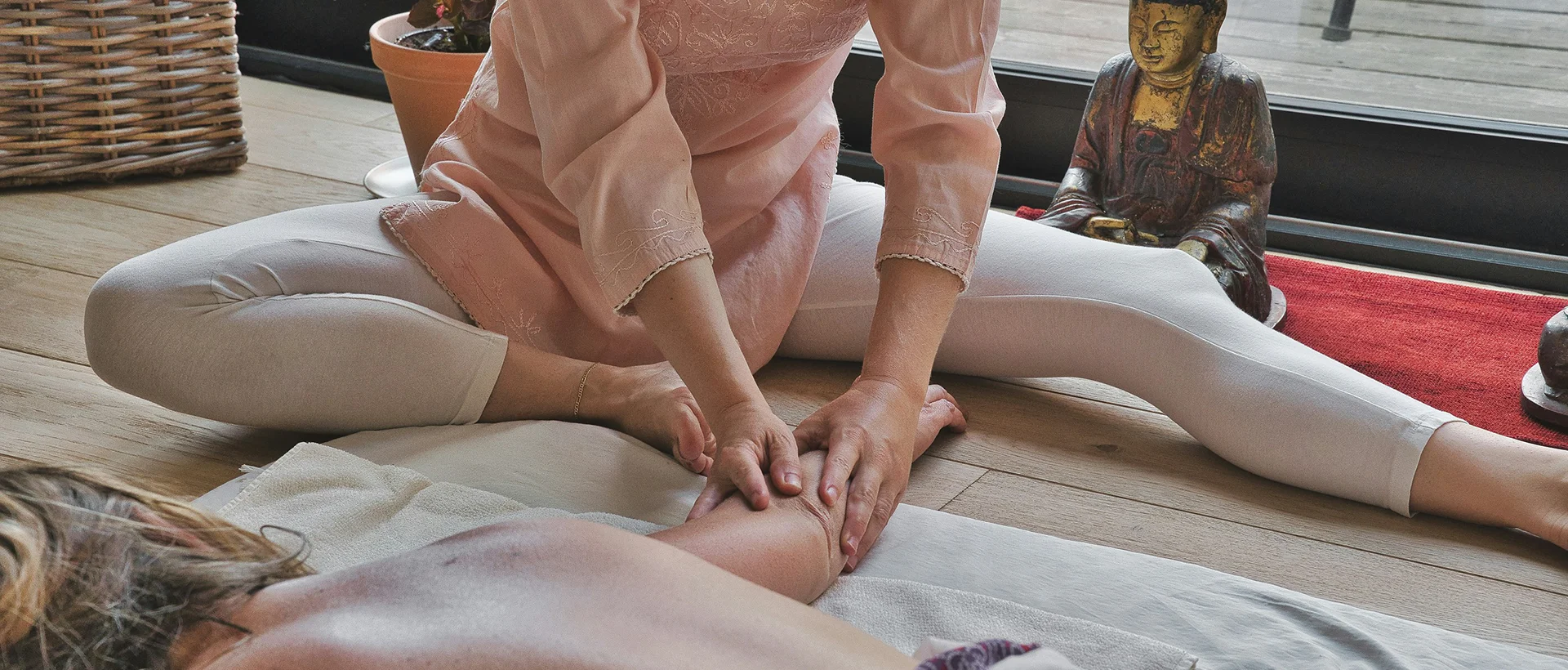
massage

Therapies and Behavioral Interventions

Therapy is the backbone of substance abuse treatment. You’ll get evidence-based therapy like Cognitive Behavioral Therapy (CBT) and Dialectical Behavior Therapy (DBT), which help you spot and change the thought patterns that keep you stuck.

Group therapy provides structure and support from individuals who understand what you’re going through. Participation in support groups, including 12-step programs, can further enhance motivation and provide a strong sense of community.

Our clinicians tailor therapy to your specific struggles, working on practical coping skills and healthier routines to address Klonopin use. Family therapy may also be incorporated when relationship dynamics or communication patterns at home are affecting recovery progress.

reading

Medication-Assisted Treatment

Medication-assisted treatment (MAT) can be beneficial, particularly during detoxification or in cases of persistent cravings. While there is no medication specifically approved for clonazepam dependence, certain pharmacological options may be used to alleviate withdrawal symptoms.

If you’re using Klonopin, we might use anticonvulsants for mood, or sleep aids if insomnia is significantly affecting your well-being in early recovery. Some people get short-term help from SSRIs or other anxiety meds, always under close watch. Our medical team adjusts your plan as needed to ensure your safety and comfort.

dining-room

Managing Withdrawal and Reducing Relapse Risk

Withdrawal from Klonopin can be emotionally and physically draining. Symptoms like anxiety, insomnia, agitation, and depression are common when struggling with clonazepam or facing dependence on Klonopin.

We provide safe, medically supervised clonazepam addiction treatment to ease the intensity of benzodiazepine withdrawal symptoms. Our team also uses a gradual tapering method to manage symptoms of clonazepam withdrawal, sometimes with supportive medications for sleep or anxiety.

Your safety and stability are our priority, especially given the serious risks of abruptly stopping Klonopin, which may include seizures or worsening mental health. Our approach includes personalized addiction recovery and mental health treatment, targeting both the emotional and physical aspects of addiction to Klonopin. 

Find Clonazepam Addiction Treatment at Luxe Recovery 

Living with clonazepam dependence or addiction to Klonopin can make you feel alone, but you are not without support. At Luxe Recovery, we provide proper care tailored to your needs.

Our team is here to help. With a personalized treatment plan, including medical detox, therapy, and long-term support, we focus on healing your mind and body. Contact us today and take your first step toward lasting change. We’re only a phone call away from helping you live a healthier and more fulfilling life. 

FAQ

What are the first steps in Clonazepam addiction recovery?

Recovery typically begins with a comprehensive clinical assessment to evaluate the severity of dependence and identify any co-occurring mental health conditions. Following this, a medically supervised detoxification process is initiated to manage withdrawal safely.

What are the common withdrawal symptoms when discontinuing Clonazepam?

You might deal with anxiety, insomnia, agitation, tremors, or irritability. Physical symptoms can include nausea, headaches, muscle aches, or sweating. Our medical staff is available 24/7 during the detoxification process. If your symptoms change, we’ll adjust your care plan accordingly.

How long is the typical rehabilitation process for benzodiazepine dependence?

The detox phase generally lasts one to two weeks, depending on usage patterns. After that, most people undergo residential or outpatient treatment for a few weeks or even months. At Luxe Recovery, we tailor your plan and check in regularly to ensure it remains effective for you.

Can therapy play a role in the treatment of Clonazepam addiction?

Yes, therapy is an essential component of recovery. We use CBT, group sessions, and one-on-one counseling. These approaches help you tackle underlying anxiety and build healthier coping skills. 

Are there any non-addictive alternatives to Clonazepam for anxiety management?

There are non-addictive meds like SSRIs, and non-drug approaches, such as mindfulness, CBT, and more. Our medical team works with you to create an anxiety management plan that doesn’t rely on benzos.

What support systems are most effective for individuals recovering from Clonazepam addiction?

Effective support systems often include peer support groups, ongoing counseling, and family therapy. At Luxe Recovery, we also provide aftercare coordination to ensure you remain connected to essential resources after formal treatment concludes.