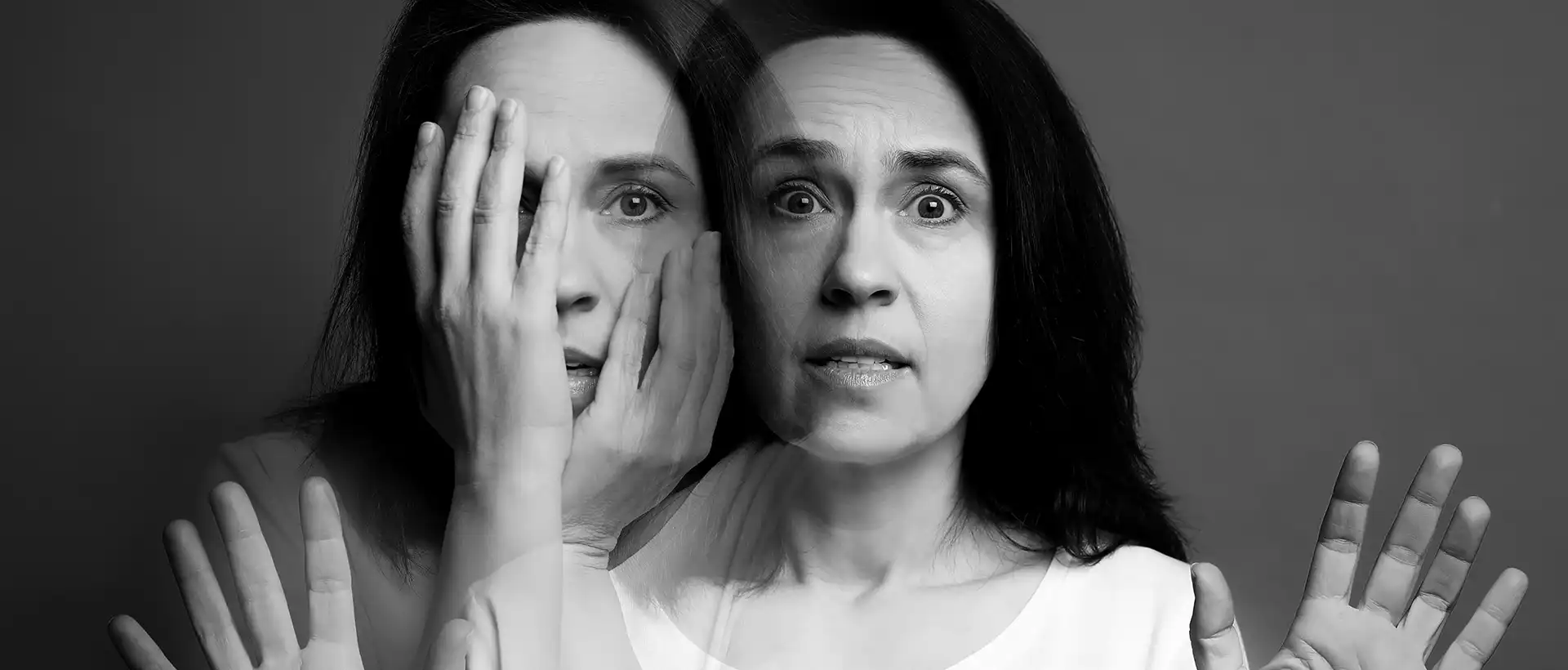


Anxiety can feel like a constant hum in the background or a sudden wave that crashes over you without warning. Maybe you’ve tried deep breathing, positive thinking, or simply pushing through, only to find yourself stuck in the same exhausting cycle, unsure of where to turn next.
If you’re looking for a grounded, proven approach to help manage overwhelming emotions and respond to stress more effectively, DBT for anxiety may be the support you’ve been searching for. Let’s explore how it works and how it can help you feel more in control of your life.
What is Dialectical Behavior Therapy?
Dialectical Behavior Therapy (DBT) is a structured, evidence-based form of talk therapy that combines practical behavioral skills with acceptance-based strategies to help people manage intense emotions, improve relationships, and develop healthier coping mechanisms.
The “dialectical” part of DBT refers to balancing two seemingly opposite ideas: acceptance and change. It’s about accepting yourself as you are while also working toward meaningful change.
DBT was originally developed by Dr. Marsha Linehan for patients with Borderline Personality Disorder (BPD), but has since been adapted to treat a wide range of mental health challenges, including anxiety.
Using DBT for Anxiety
DBT centers on four core skill areas, each offering valuable strategies to handle anxiety and difficult situations without feeling overpowered. These skills work together to help you build lasting emotional resilience and greater control over your reactions.
Mindfulness
Mindfulness skills help shift your focus from racing thoughts to the present moment, interrupting patterns of worry, fear, and avoidance. By tuning into your breath, bodily sensations, or five senses, you create space to respond to triggers more intentionally rather than impulsively.
Over time, practicing mindfulness can help you recognize anxious habits, identify triggers, and build a greater sense of control. Even a few minutes each day, through relaxation exercises or body scans, can make anxiety feel more manageable and less overwhelming.
Emotional Regulation
Emotional regulation skills are essential for recognizing, understanding, and managing powerful emotions without letting them take control. These techniques include doing the opposite of what your anxiety urges you to do and accurately labeling your emotions to explore their causes.
For example, if anxiety pushes you to avoid a situation, taking a small step toward facing it can help challenge those urges and gradually reduce fear. On the other hand, naming what you feel creates distance from the emotion, making it easier to respond in a balanced and thoughtful way.
Distress Tolerance
Distress tolerance skills help you get through difficult moments by focusing on coping rather than immediately solving the problem. Key techniques include distraction and self-soothing, both aimed at shifting your attention away from overwhelming symptoms of anxiety.
Self-soothing exercises, such as focusing on your senses, holding something cold, or counting objects in the room, can interrupt anxious thoughts and help you feel more stable. Distraction activities like listening to music or doing a puzzle offer a needed break during stressful times.
Interpersonal Effectiveness
Interpersonal effectiveness skills are designed to support healthy relationships by helping you balance your own needs with those of others. For many people with anxiety, setting boundaries or asserting themselves can feel challenging.
DBT tools like DEAR MAN offer a structured way to speak up clearly and respectfully, reducing the fear of conflict or guilt that often holds people back. These skills also emphasize active listening, validation, and thoughtful responses, leading to reduced anxiety in everyday interactions.
Need Help With anxiety?
Structure of DBT for Anxiety Treatment
DBT for anxiety management takes an active, skills-based approach through behavioral therapy, skills training, and between-session support. This multifaceted structure helps not only to understand your anxiety, but also to practice useful skills to apply in daily life.
Individual Behavioral Therapy
In individual therapy, you’ll work closely with a DBT therapist to address your specific anxiety triggers in a supportive, judgment-free environment. This one-on-one setting allows you to speak openly about your experiences and establish clear treatment goals.
Together, you’ll identify patterns in your anxiety, understand how they affect your daily life, and build practical DBT skills to manage them effectively.
Group Skills Training
Peer encouragement and shared learning are powerful tools in overcoming anxiety. In DBT group therapy, you’ll work alongside others facing similar challenges by developing and practicing essential skills through guided exercises, role-plays, and open discussions.
A 2024 review found that DBT skills groups show promising potential in treating social anxiety, especially in patients with suicidal ideation or complex comorbidities. The approach targets key contributing factors such as excessive self-focus, emotion dysregulation, and avoidance.
Phone Coaching
DBT offers support between sessions through “phone coaching.” Whether you’re having a panic attack or just feeling overwhelmed, you can reach out to your DBT therapist for real-time guidance.
During a call, your therapist can remind you of the skills you’ve been practicing and guide you through them. Coaching is usually available during specific hours, so you’ll know when help is accessible.
Understanding Anxiety
Anxiety can range from mild, occasional discomfort to intense, disruptive symptoms. Over time, these symptoms may worsen and begin to interfere with daily routines, relationships, and overall well-being.
Symptoms can vary from person to person but often include heart palpitations, sweating, trembling or shaking, nausea or abdominal discomfort, irritability or restlessness, difficulty concentrating, trouble sleeping, and a persistent sense of impending danger, panic, or doom.
While feeling anxious from time to time is a normal part of life, anxiety that feels intense, lasts for several months, or seems out of proportion to the situation may be a sign of an anxiety disorder – it’s important to seek professional help.
Types of Anxiety Disorders
While anxiety disorders can show up in different ways, understanding the specific type you’re experiencing is important in finding the right support.
- Generalized Anxiety Disorder: Persistent and excessive worry about everyday events.
- Panic Disorder: Recurrent, unexpected panic attacks and ongoing fear of having more.
- Social Anxiety Disorder: Intense fear or discomfort in social situations.
- Separation Anxiety Disorder: Significant distress when separated from loved ones.
- Agoraphobia: Avoidance of situations where escape might feel difficult or embarrassing.
- Specific Phobias: Extreme fear of a particular object or situation, such as heights or flying.
- Selective Mutism: Consistent inability to speak in specific social settings.

Link Between Anxiety and Mental Health
Many people living with anxiety also experience co-occurring mental health conditions, such as depression, trauma, and addiction.
In these cases, DBT can be especially effective as part of a dual diagnosis approach. This integrated treatment model addresses both anxious thought patterns and emotional dysregulation, while also targeting the behaviors and triggers linked to substance use.
Mental Health Treatment at Luxe Recovery
If you or someone you care about is struggling with anxiety, there is help, and there is hope. Luxe Recovery provides comprehensive mental health and addiction treatment, including DBT, to help you reclaim your life, manage strong emotions, and prevent things from escalating further.
Healing begins with the right support and the courage to begin. Reach out today and learn about your options.
FAQ
How can DBT worksheets be utilized to manage anxiety?
DBT worksheets help track anxiety triggers, practice coping skills, and reflect on progress. Regular use promotes consistent application of these strategies.
What distinguishes DBT from CBT in the treatment of anxiety?
CBT targets unhelpful thoughts and behaviors that drive anxiety, while DBT focuses on skills to manage anxiety alongside intense emotions.
What are the core components of DBT therapy for addressing anxiety symptoms?
DBT's core components are mindfulness, emotion regulation, distress tolerance, and interpersonal effectiveness. Together, they enhance awareness, emotional control, coping, and communication.
Can DBT interventions be effectively applied to anxiety disorders?
Yes. Although DBT was originally developed for BPD, it has been proven effective in relieving anxiety symptoms like worry, panic, and avoidance, and improving functioning.
Are there any scholarly articles that discuss the efficacy of DBT in treating anxiety?
Yes. Many scholarly articles and clinical studies consistently show DBT reduces anxiety symptoms and improves emotional regulation and distress management.