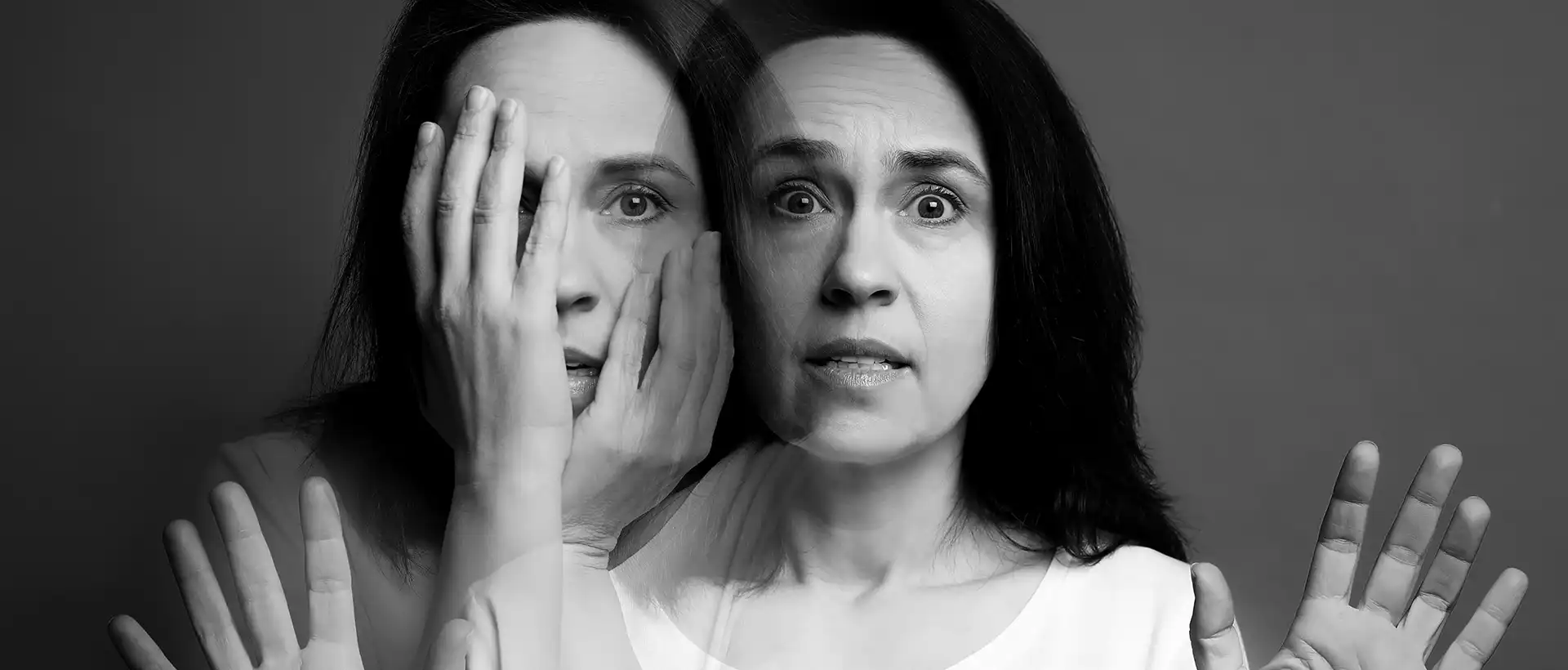


Anxiety disorders can affect your life in numerous ways. You may avoid social situations out of fear of being blamed, and constantly find yourself panicking over your health over something as small as a headache.
These disorders aren’t uncommon. The World Health Organization estimates that anxiety disorders affected 359 million people in 2021, making it one of the world’s most prevalent mental health disorders. Treatment, including DBT for anxiety, is crucial given how many people it affects.
What Is DBT for Anxiety And When Is It Used?
Dialectical behavior therapy (DBT) gives you a framework for managing strong emotions, lowering stress, and making daily life easier. It’s focused on learning skills in mindfulness, distress tolerance, and emotion regulation so you can handle anxiety symptoms.
Anxiety disorders are about more than just feeling nervous, as they’re persistent, and they can affect your day-to-day. DBT for anxiety treatment helps by giving you practical coping strategies.
Which DBT Skills For Anxiety Work Best?
DBT skills can help you manage anxiety by keeping you grounded, tolerating distress, and regulating emotions in ways that actually work. These aren’t just theoretical, they give you real coping strategies to cut down avoidance, calm your body, and deal with stress.
Simple Mindfulness Skills
Mindfulness skills are about being aware of what’s happening inside you with no judgment. Practicing it lets you break out of thought spirals that feed anxiety. A good place to start is observing and describing. This can ease the urge to fight or escape anxious sensations.
Techniques such as the ‘5-4-3-2-1’ method (five things you see, four you feel, three you hear, two you smell, one you taste) can be a simple but effective way to stay grounded in the present.
Distress Tolerance Strategies
Distress tolerance skills are focused on getting through moments when anxiety increases. It’s not about making distress vanish, it’s about riding it out safely until it passes.
Self-soothing is a common technique. That might mean listening to calming music, holding a warm mug, or smelling something relaxing like lavender. Distraction can work as well, as shifting your focus even briefly can help ease anxiety.
Emotion Regulation Skills
Emotion regulation skills help manage anxiety by reducing emotional intensity and building resilience. Core techniques include identifying and labeling emotions, checking the facts, and using opposite action to challenge avoidance behavior.
Interpersonal Effectiveness
Learning to communicate clearly and set boundaries can ease stress and cut down on misunderstandings that make you worry more. Clear communication lets you express what you need. Interpersonal effectiveness skills help you speak up calmly and respectfully.
Boundaries are about protecting your time and energy, they’re not about shutting people out. Without boundaries, you might take on too much and end up resentful or burned out, which only worsens your anxiety.
Need Help With anxiety?
The Structure of DBT for Anxiety Treatment
There’s a structure to treatment: one-on-one therapy, group skills training, and support between sessions. This approach helps you learn, practice, and get support if things become difficult.
Individual Therapy Sessions
In individual therapy, it’s just you and your DBT therapist working through your specific anxiety triggers and patterns. These weekly sessions focus on applying DBT skills to your life. You’ll look at what’s not working, try new coping strategies, and check in on how things went since your last session.
A big part of this is balancing acceptance (where you are now) with change (where you want to be). Your therapist helps you navigate both, so you don’t feel as if you’re not making progress.
Skills Training Groups
Skills training groups are more like classes than therapy. You learn the core DBT skills with a group, usually once a week. The group setup helps you build consistency and a toolkit of strategies for handling anxiety in different situations.
A DBT therapist or trainer leads the session, teaching exercises you can use in real life. Practicing with others adds accountability and support, and it can be helpful to hear how different people use the skills.
Dialectical Behavior Therapy for Anxiety Challenges
DBT for anxiety focuses on building skills that are practical, which means that they are meant for real-world applications, not just therapy. You can use them to handle panic attacks, reduce avoidance, and calm your body during stress.
Managing Panic Attacks
Panic attacks can make you feel completely out of control. DBT teaches you to ground yourself using mindfulness and distress tolerance. These skills help you notice what’s happening without judgment and shift your focus away from the thoughts that contribute to panic.
Applying Opposite Action
Anxiety often encourages avoidance, making certain situations feel overwhelming or impossible to face. While avoiding them may provide temporary relief, it typically reinforces the cycle of fear. The Opposite Action skill focuses on deliberately engaging in the very behaviors that anxiety urges you to avoid.
Paced Breathing
When stress levels are high, your breathing gets shallow and quick, your body reacts as if there’s danger, and that can worsen panic. DBT used paced breathing to help slow things down and help you restore balance. The classic method is 4-6 breathing: breathe in through your nose for 4 seconds, then let it out slowly through your mouth for 6.

How Does DBT Address Anxiety With Other Mental Health Conditions?
It’s not unusual for a person with anxiety to struggle with a co-occurring mental health condition such as depression. In addition to treating anxiety, DBT can be beneficial for helping with these situations.
Borderline Personality Disorder and Anxiety
Living with borderline personality disorder (BPD) and anxiety can mean volatile emotions combined with steady worry. These two often contribute to each other’s symptoms, which can worsen symptoms.
DBT was originally developed for BPD, so it’s tailored to address unstable moods and impulsive behavior that can make anxiety worse. Skills like mindfulness and distress tolerance help you stay grounded when your mind starts racing.
Depression and Anxiety Management
Depression and anxiety often co-occur, creating a cycle of low mood, low energy, and constant worry. DBT helps you work with both by teaching emotion regulation skills. These help you identify patterns in your mood and try techniques to shift your perspective.
Furthermore, DBT focuses on behavioral activation by scheduling positive activities, even if it’s just a short walk or texting a friend. Those small actions can lift your mood and ease the symptoms of anxiety.
Substance Misuse and Anxiety
DBT is an effective treatment approach for patients struggling with both substance misuse and anxiety. It combines cognitive-behavioral strategies with mindfulness practices to help people manage distress, regulate emotions, and reduce harmful behaviors.
DBT for anxiety emphasizes building coping skills, improving self-awareness, and fostering healthier relationships, which can directly address the urges that drive substance use and anxiety symptoms. By promoting balance and acceptance, DBT supports lasting recovery and improved emotional wellness.
What Support Is Available For Lasting Anxiety Relief?
Anxiety disorders can be overwhelming, and they can stop you from living your life the way you want to. But DBT for anxiety, and other forms of treatment can help you take control of your anxious thoughts. At Luxe Recovery, we offer comprehensive treatment for anxiety and other mental health conditions so you can take your life back.
FAQ
Is DBT therapy good for anxiety?
Yes, Dialectical Behavior Therapy can be effective for anxiety. Originally developed for borderline personality disorder, DBT’s skills can help people manage overwhelming emotions and reduce avoidance behaviors.
What are the core components of DBT used to treat anxiety?
DBT centers on four main skill sets: mindfulness, distress tolerance, emotion regulation, and interpersonal effectiveness. You use mindfulness to stay present, distress tolerance for tough feelings, emotion regulation to handle reactions, and interpersonal effectiveness for clearer communication. They all work together to help reduce anxiety and build up your coping toolkit.
How does DBT differ from CBT in the treatment of anxiety disorders?
Cognitive behavioral therapy (CBT) is focused on identifying and changing negative thought patterns. DBT builds on that but adds a big emphasis on acceptance. You’re not just challenging anxious thoughts; you’re also learning to accept discomfort and use coping skills alongside that acceptance.
Can you provide examples of how DBT is applied in therapy sessions for anxiety?
In one-on-one sessions, you might work through how to use DBT skills with specific stressful situations you’re facing. Group skills training can include role-plays or guided exercises to practice mindfulness, distress tolerance, and communication.
What types of anxiety disorders can benefit from DBT interventions?
DBT can be helpful for generalized anxiety disorder, social anxiety, and panic disorder. It’s also a good fit for people dealing with anxiety alongside other conditions, like depression or PTSD. The structure and variety of skills make it adaptable for different challenges.
Are there specific worksheets or exercises in DBT that are effective for managing anxiety?
DBT uses worksheets and exercises to help you practice. Mindfulness worksheets might have you focus on breathing or being in tune with your senses. Distress tolerance worksheets could include making a self-soothing plan. These tools make it easier to use DBT skills in your everyday life.