Starting your journey to recovery is a big step, and figuring out how to afford it is one of the biggest questions you might have.
Intensive Outpatient Programs (IOPs) offer a way to get the support and therapy you need while still keeping up with your daily life. This means you can get help without staying in a treatment center full-time, making it a great option for those with families, jobs, or other commitments.
Enrolling in an IOP treatment program can be expensive, and a few important factors influence the total cost. These consist of the program’s duration and intensity, the activities and types of therapy it offers, its location, and any additional services it provides.
Furthermore, it can make a significant difference if your insurance will contribute to the cost.
We know that thinking about all these factors can feel overwhelming, but understanding them is important. It helps you see IOP as an investment in your future, where you’re not just paying for therapy sessions but for a chance to build a healthier life.
Our goal is to make all this information easy to understand so you can make the best choice for your recovery journey without stress over the financial part.
Let’s walk through what influences the cost of intensive outpatient treatment programs together and how you can figure out what it might mean for you.
Remember, this journey is about finding the best way forward to a happier, healthier you, and there are options out there to make it accessible.
IOP Treatment Cost Factors
IOPs offer a flexible treatment solution that allows individuals to receive comprehensive care while maintaining their daily commitments. While generally more affordable than inpatient rehabilitation, several variables can affect the total cost of an IOP.
Let’s dive deeper into these factors to clarify what you might expect to invest in your recovery journey.
Program Intensity and Duration
The structure of IOPs can vary widely, influencing the overall cost. Typically, these programs require participants to engage in treatment sessions for 10 to 12 hours per week, divided over several days.
The duration of an IOP can range from a few weeks to several months, depending on the individual’s progress and needs. Longer or more intensive programs are more expensive due to the increased professional care and resources provided.
Types of Treatment Services Offered
IOPs often include a mix of individual counseling, group therapy, and educational sessions on topics related to addiction and recovery.
Including specialized therapeutic approaches, such as Cognitive Behavioral Therapy (CBT), Dialectical Behavior Therapy (DBT), or holistic therapies like art therapy, yoga, and meditation, can affect the program’s cost. These specialized therapies often require trained and certified professionals, which can increase the program’s price.
Geographic Location of Rehab Center
The cost of living in the outpatient care program’s location directly impacts the cost of IOP services. Facilities in metropolitan areas or regions with a higher cost of living generally charge more for their services than those in rural areas.
This variation is due to the higher operational costs, such as rent, utilities, and staff salaries, that facilities must cover to operate in more expensive locations.
Rehab Facility Amenities
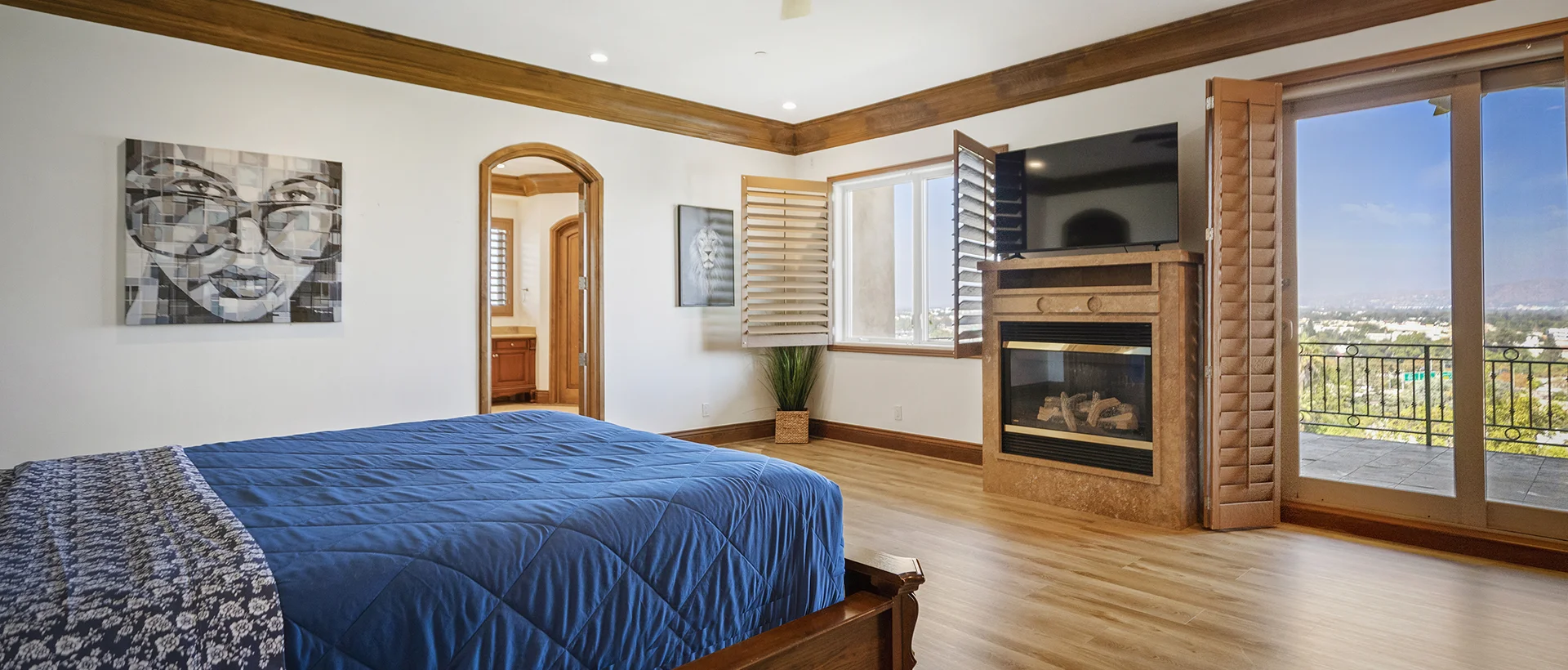
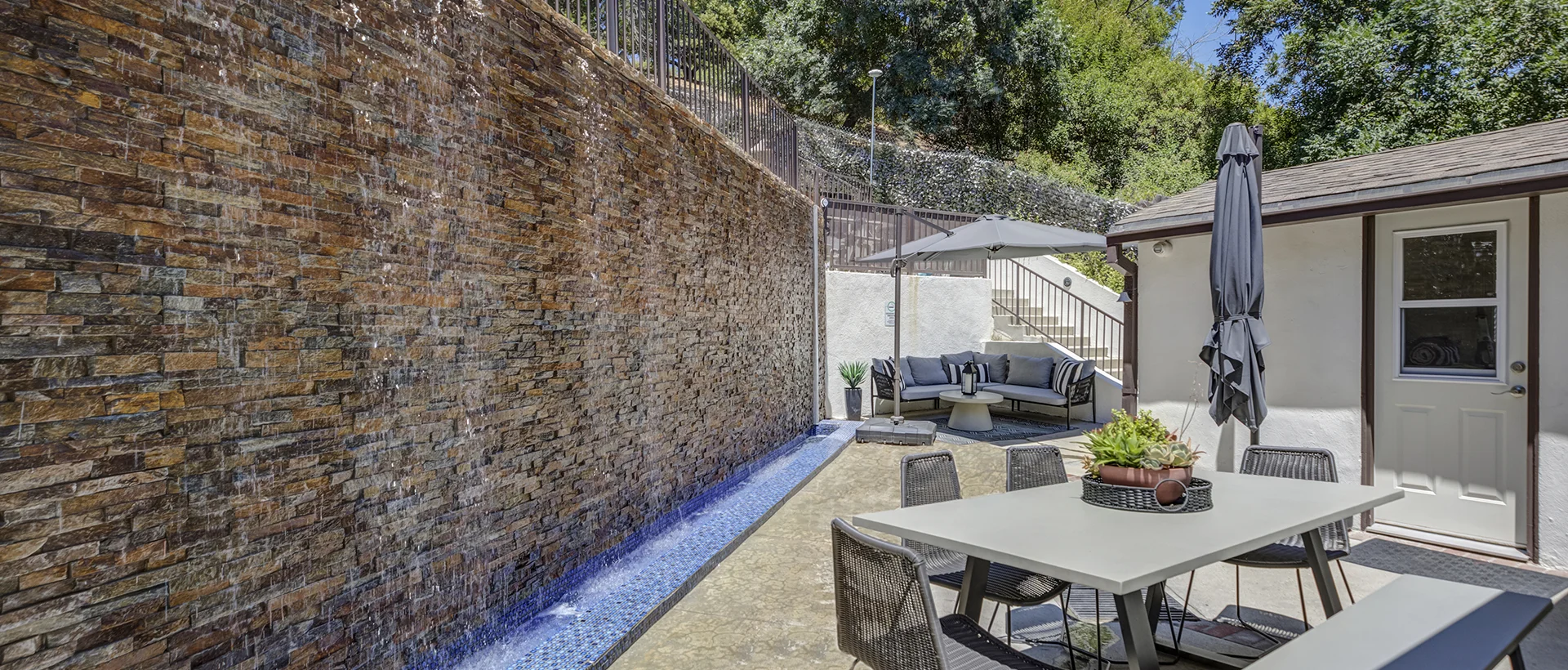
Some IOPs offer amenities beyond basic treatment services, such as nutritional counseling, fitness programs, or luxury facilities. While these extras can enhance the treatment experience, they contribute to a higher program cost.
Choosing an outpatient care program based on the specific amenities important to your recovery process can help justify the additional expense.
Insurance Coverage
Health insurance is a significant factor in the affordability of IOPs. Coverage for outpatient programs varies greatly among insurance providers and plans, with some covering the full cost and others offering partial coverage.
Verifying your benefits with your insurance provider and discussing coverage options with the IOP facility is essential. Some outpatient rehab programs may offer sliding scale fees or payment plans for those whose insurance does not cover the full cost of treatment or for individuals without insurance.
Cost Ranges of Outpatient Treatments
Given these factors, the cost of IOP can range significantly. On average, IOPs can cost from $3,000 to $10,000 for a standard program duration of 90 days. However, this is a broad estimate, and specific costs can vary based on the abovementioned factors.
It’s also worth noting that while the upfront cost may seem high, IOPs are generally more affordable than inpatient rehab programs, which can cost between $5,000 and $20,000 for a 30-day program.
When considering an IOP treatment provider, it’s crucial to evaluate not just the cost but the value of the investment in your long-term recovery.
A higher-cost program may offer a more comprehensive suite of services that can better address your needs, potentially leading to a more effective recovery process.
It is key to research and ask questions about the specific offerings and how they align with your recovery goals. Always verify insurance coverage and explore all payment options available to make an informed decision that balances cost with the quality of care.
By understanding these cost factors, individuals seeking treatment can better navigate their options and make choices that align with their financial capabilities and recovery needs, ensuring a path toward sustainable health and well-being.

Health Insurance for IOP Coverage
Insurance plans, particularly those under the Health Insurance Marketplace, are generally required to cover mental health and substance use disorder services as essential health benefits. This includes IOP services, but the level of coverage can vary greatly:
- Type of plan: Employer-sponsored health plans, individual marketplace plans, and government-funded programs like Medicaid and Medicare have different coverage rules and benefits. Employer-sponsored and private insurance plans often offer varying degrees of coverage for IOP based on the plan’s specific benefits package.
- In-network vs. out-of-network: Coverage levels can vary dramatically between in-network and out-of-network providers. In-network providers have agreements with your insurance company to provide services at a discounted rate, resulting in lower out-of-pocket costs. Out-of-network services, meanwhile, may be covered at a lower percentage or not at all, leading to higher personal expenses.
- Deductibles and co-pays: Most insurance plans have deductibles you must pay out-of-pocket before your insurance starts to cover its share. Co-pays or co-insurance rates are also crucial; these are your share of the costs of a covered healthcare service, calculated as a percentage or a fixed amount.
- Pre-authorization requirements: Some insurance plans require pre-authorization for IOP treatment. This means your provider must get approval from your insurance company before starting treatment to ensure it is covered.
Steps to Verify Your IOP Insurance Coverage
1. Contact your insurance provider: The first step is to contact your insurance company directly. You can find the contact information on the back of your insurance card. Prepare to ask about the specifics of your mental health and addiction treatment benefits, including coverage for IOP.
2. Inquire about specifics: When speaking with your insurance provider, ask about:
- The percentage of treatment covered
- In-network versus out-of-network benefits
- Deductible requirements
- Any need for pre-authorization
- Coverage limits (such as session limits or dollar amount caps)
3. Work with the treatment center’s admissions team: Facilities like Luxe Recovery are experienced in working with various insurance providers. Our admissions team can assist in verifying your insurance benefits, explaining the coverage details, and discussing any potential out-of-pocket costs. We can also help navigate pre-authorization requirements if necessary.
Making Informed Decisions about the Cost of Outpatient Treatment Options
Armed with information about your insurance coverage, you can make informed decisions about your IOP treatment plan. Remember, maximizing your insurance benefits while minimizing out-of-pocket expenses is the goal.
In some cases, if insurance coverage is insufficient or there are high out-of-pocket costs, treatment centers may offer payment plans or sliding scale fees based on income to help make treatment more affordable.
Luxe Recovery works with various PPO insurance plans, enhancing access to our comprehensive IOP services.
By offering assistance with insurance verification and discussing financing options, Luxe Recovery aims to reduce the financial stress associated with treatment, allowing you to focus on your recovery journey.
With the right approach and assistance from treatment centers like Luxe Recovery, you can utilize your insurance benefits effectively, ensuring a path toward recovery that is both accessible and affordable.
Why Choose Luxe Recovery for Your IOP Journey?
In the field of addiction and co-occurring diagnosis treatment, Luxe Recovery is unrivaled. Our center provides conventional and alternative therapy in a pleasant and comforting setting. Our client’s needs are carefully considered when developing an IOP.
To promote rehabilitation comprehensively, we use a variety of therapies and activities. Luxe Recovery guarantees a stress-free recovery process through our dedication to comfort, quality, and superior care.
To ensure our patrons’ mental and physical health, we provide a range of amenities and services.
At Luxe Recovery, you’ll find a compassionate and understanding staff committed to ensuring your treatment is successful and pleasant and promotes long-term recovery.
If you need assistance understanding your insurance options, our admissions staff is here to help. With this taken care of, you won’t have to worry about how you’ll pay for therapy, allowing you to concentrate on getting well. Contact us today to get started.
FAQs on the Cost of Outpatient Rehab
What Is the Average Cost Range for an Intensive Outpatient Program (IOP)?
The cost of IOP can vary widely depending on factors such as the program’s location, the types of services offered, and the program’s length. IOP costs can range from $3,000 to $10,000 for a standard duration of 90 days. However, prices can fluctuate based on the individual program’s specifics.
What Factors Influence the Cost of an IOP?
Several factors impact the cost of IOP, including the intensity and duration of the program, the types of therapies and services provided (such as individual therapy, group sessions, and specialized treatments), the facility’s location, and any additional amenities or support services offered.
Are There Any Additional Costs Associated with IOP that I Should Be Aware of?
Besides the basic program fees, there might be additional costs like initial assessments, psychiatric evaluations, medication (if prescribed), and specialized therapy sessions not included in the standard program. To fully understand the total cost, it’s important to ask the IOP provider about any potential extra charges.
Will My Health Insurance Cover the Cost of IOP?
Many health insurance plans cover some level of treatment for substance abuse and mental health services, including IOP. However, coverage varies significantly between plans. Verifying your benefits with your insurance provider is crucial to understand what portion of the IOP cost will be covered.
What if I Can’t Afford the Cost of IOP?
If the cost of IOP is a concern, discuss payment options with the treatment center. Many facilities offer sliding scale fees based on income, payment plans, or financial assistance programs. Additionally, some organizations and charities provide grants or scholarships to help cover the cost of addiction treatment.
Is IOP More Cost-Effective than Inpatient Treatment?
Generally, IOP is more cost-effective than inpatient rehab programs due to the non-residential nature of the treatment. Inpatient care, which provides 24/7 supervision and housing, tends to be more expensive due to the intensive level of care and resources required.
Can I Negotiate the Cost of an IOP?
While the listed prices for IOP programs might seem fixed, some treatment centers are open to discussing payment options or adjusting fees based on individual circumstances. It’s always worth asking about any available discounts, scholarships, or adjusted payment plans that could make the program more affordable.
Are There Any Low-Cost or Free IOP Options Available?
Some community-based organizations, non-profits, and government programs offer low-cost or free IOP services to individuals with limited financial resources. Eligibility for these programs may depend on income, residency, or other criteria.