Starting your recovery journey is a big step. It’s about more than just getting better – it’s also about the commitment you make to yourself and the resources you’ll need along the way. At Luxe Recovery, we understand how big of a move this is for you.
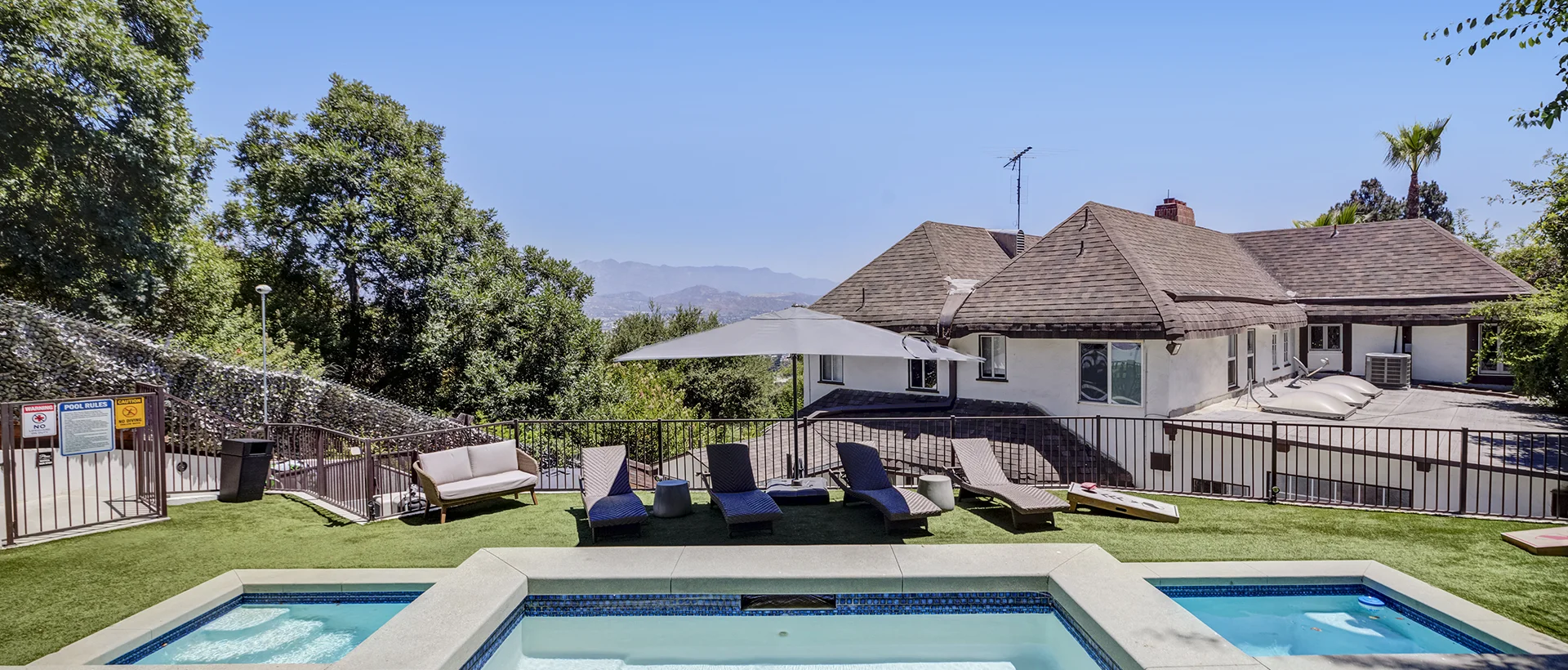
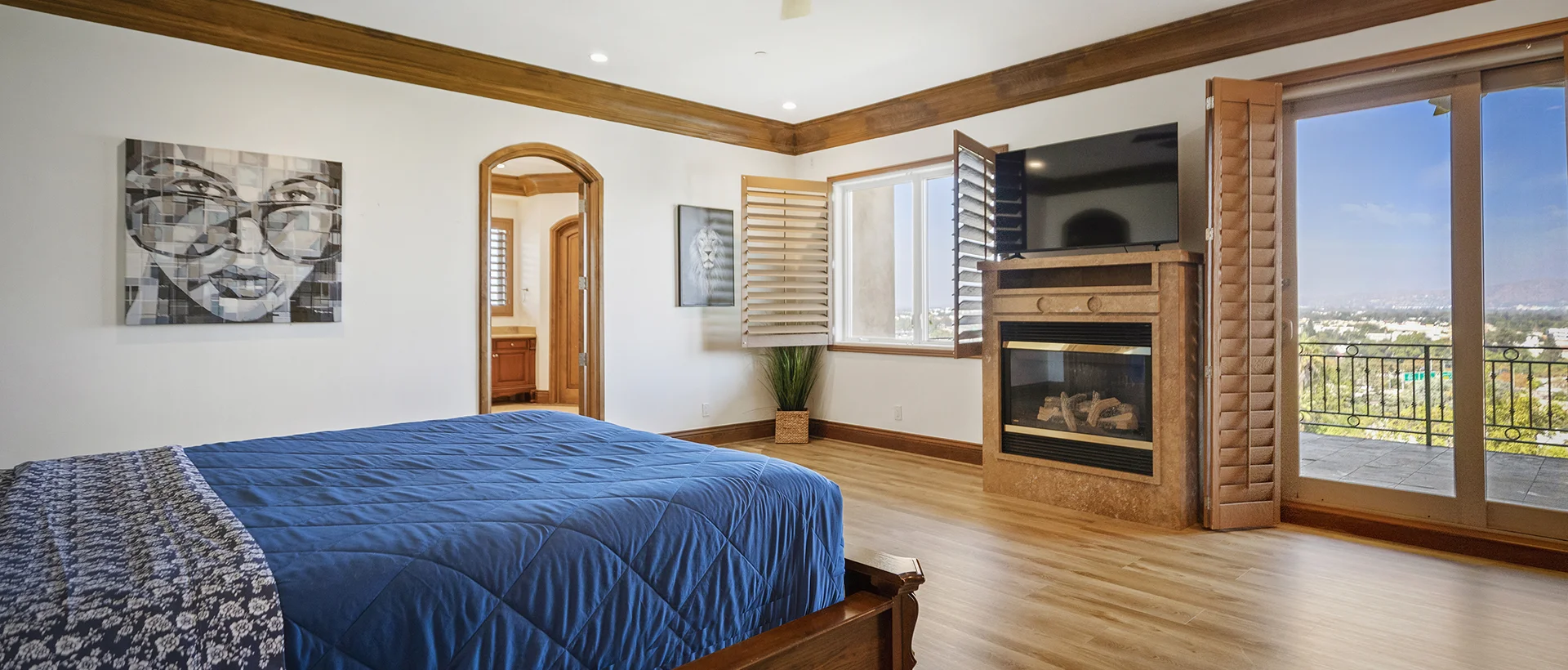
That’s why we’ve made our residential treatment center in Los Angeles a comforting space where you can focus on healing with treatments made just for you. We know thinking about finances can feel overwhelming, so we’ve put together this guide to help make sense of it all.
What Is Residential Treatment?
Residential treatment is a special kind of help for people who are working to overcome addiction. It’s where you live for a while at a place that’s all about supporting your journey to get better.
This place is set up to help you heal not just your body, but also your heart and mind. You’ll go through detox to safely get rid of the substances in a way that takes care of you. Then, there are lots of talks – both with counselors on your own and with groups of people just like you.
Plus, you’ll learn new, healthy ways to handle stress and emotions. It’s really a time for you to focus on getting better without worrying about outside pressures or temptations. The whole idea is to give you the tools and support you need to live a life free of addiction, understand yourself better, and build a healthier future.

How Much Does Residential Treatment Cost Based on Levels of Care?
Basic Care Facilities
- Payment range: $5,000 to $15,000 per month
- Features: Essential therapeutic services such as group and individual counseling, comfortable but basic accommodations, and standard meal plans.
Mid-Level Care Facilities
- Payment range: $15,000 to $30,000 per month
- Features: More personalized care, a wider range of therapy options, including some specialized treatments, improved accommodations, and additional amenities like fitness centers and recreational activities.
High-End Luxury Facilities
- Payment range: $30,000 to $60,000+ per month
- Features: Luxe Recovery falls into this category, offering a comprehensive and holistic approach to treatment with luxurious amenities, advanced therapeutic modalities, personalized care plans, gourmet meals, private accommodations, and extensive wellness and recreational facilities.
How Much Does Residential Treatment Cost Based on Treatment Duration?
30-Day Programs
Serving as the foundational phase for many individuals’ journeys to a sober life, 30-day programs are designed to offer a concentrated dose of therapeutic interventions and support.
The range in price, from $5,000 to $60,000+, reflects several factors, including the level of personalized care, staff-to-patient ratio, and the inclusion of detox services, which are often necessary for the initial stages of recovery.
Basic residential treatment facilities might offer more standardized care with limited amenities at the lower end of the price spectrum, while luxury centers provide a more bespoke treatment experience, complete with private accommodations and a wide array of holistic and specialized therapies.
60-Day Programs
Doubling the duration of the standard 30-day program allows for a more in-depth exploration of the root causes of addiction, the integration of complex therapeutic modalities, and the opportunity for patients to practice sobriety skills in a controlled environment.
The price increase from $10,000 to $120,000+ reflects not just the extended stay but also the enhanced scope of treatment.
This may include a more rigorous schedule of individual therapy, group sessions, and possibly family sessions, along with continued medical monitoring.
Facilities at the higher end of this range are likely to offer more intensive care options, advanced treatment technologies, and a broader spectrum of leisure and wellness activities, all aimed at promoting a holistic recovery.
90-Day Programs
Recommended for individuals dealing with severe addiction or co-occurring mental health disorders, 90-day programs are based on the premise that longer stays in treatment correlate with more sustained outcomes in sobriety.
The price range of $15,000 to $180,000+ underscores the comprehensive nature of these programs, which are designed to fully immerse individuals in the recovery process.
Such durations allow for the gradual tapering of more intensive treatments, the implementation of step-down care levels, and an increased focus on relapse prevention and life skills training.
High-end facilities may also provide extensive aftercare planning and support services, ensuring that clients have a robust network to rely on post-treatment.
Residential Treatment Center Modalities and Their Influence on Price
Standard Therapies and Cost Implications
Standard therapies, such as Cognitive Behavioral Therapy (CBT), group therapy, and individual counseling sessions, serve as the backbone of most residential treatment programs.
These therapies are essential for addressing the psychological aspects of being addicted, facilitating self-awareness, and developing coping mechanisms.
The amounts associated with standard therapies are typically integrated into the base price of rehab programs. Treatment centers offering these foundational therapies allocate resources to ensure that all patients have access to the essential levels of psychological support needed for recovery.
The inclusion of standard therapies in the overall program pricing reflects the commitment to providing comprehensive care without imposing additional financial burdens on these fundamental services.
Specialized Therapies and Their Financial Impact
Beyond the standard therapeutic offerings, many rehab centers, including Luxe Recovery, incorporate specialized therapies into their treatment repertoire.
These may include Eye Movement Desensitization and Reprocessing (EMDR) for trauma, Dialectical Behavior Therapy (DBT) for emotional regulation, and animal-assisted treatments for enhanced emotional and psychological healing.
Each of these requires specific expertise, equipment, or resources, contributing to their status as premium services within a treatment program.

EMDR
A highly effective treatment for individuals with trauma, EMDR involves the patient recalling distressing images while receiving one of several types of bilateral sensory input, such as side-to-side eye movements or hand tapping.
Due to the specialized training required to provide EMDR, programs incorporating this method may see a cost increase reflective of the value it brings to the recovery process.
DBT
This form of treatment is particularly beneficial for patients struggling with emotional dysregulation or borderline personality disorder. DBT emphasizes the development of skills in mindfulness, emotional regulation, distress tolerance, and interpersonal effectiveness.
The inclusion of DBT can elevate program costs due to the need for therapists with advanced training and the intensive nature of the sessions.
Animal-Assisted
Incorporating animals into the therapeutic process can significantly enhance emotional well-being and aid in the recovery process.
Whether it’s through equine or the presence of dogs, the costs associated with maintaining animal-assisted programs – covering care, facilities, and specialized staff—can contribute to an increase in overall treatment expenses.
The integration of specialized methods into a residential rehab program can increase prices by 10% to 20%, influenced by the frequency of sessions and the type of treatment provided.
This price adjustment is a reflection of the enhanced therapeutic value these modalities offer, requiring specialized training for therapists, additional resources, and sometimes unique facilities.
How Does Location and Amenities Affect the Cost of Residential Mental Health Treatment?
- Geographical location: Facilities in high-cost living areas (e.g., major cities or upscale neighborhoods) often have higher price tags due to operational charges.
- Amenities: Luxury amenities significantly contribute to the total amount. For example, residential centers offering private rooms with en-suite bathrooms, organic meal options, a full spa, and personalized fitness programs can result in costs at the higher end of the spectrum mentioned above.
While these figures provide a general framework, the exact total number of residential rehabs will vary based on individual treatment needs and what the center offers.
Many facilities, including Luxe Recovery, also work with individuals to navigate insurance benefits and explore financing options to make treatment accessible.
When considering residential rehab, it’s advisable to directly contact facilities like Luxe Recovery for the most accurate and personalized price information based on specific treatment plans and insurance coverage.
How Much Does Residential Treatment Cost with Insurance Benefits
When tackling this question, it’s essential to understand that costs can vary widely based on several factors, including the type of insurance plan you have, the level of care needed, and the specific treatment center you choose.
Focusing mainly on Preferred Provider Organization (PPO) plans, which are known for their flexibility and wide network of providers, let’s delve into some general figures and considerations.

PPO Insurance and the Cost of Residential Treatment
PPO insurance plans typically cover a portion of the price of residential treatment, subject to deductibles, copays, and out-of-pocket maximums. The extent of coverage can vary significantly but generally includes detoxification services, inpatient care, treatment sessions, and aftercare support.
- Deductibles and copays: Before your insurance starts to pay, you might need to meet a deductible, which can range from a few hundred to several thousand dollars. After meeting your deductible, copayments for services may apply.
- Out-of-pocket maximums: This is the maximum amount you’ll pay in a year for covered services. Once you reach this limit, your insurance covers 100% of the allowed amount for covered services.
Typical Payment Ranges with PPO Insurance
With PPO insurance, the cost for a month of residential treatment varies:
- Out-of-network facilities: Choosing an out-of-network facility usually results in higher out-of-pocket costs, potentially 40% to 60% of the amount. For a 30-day stay, this could translate to costs ranging from $10,000 to $20,000, again depending on the specifics of your plan.
Price Comparison with Other Insurance Types
- HMO plans: These plans may have lower out-of-pocket prices but restrict you to a network of providers. You’ll likely need a referral to attend a residential treatment program.
- Medicare/Medicaid: Government-sponsored plans have specific coverage rules for addiction treatment. Generally, they cover a significant portion of the cost but have specific provider networks and eligibility requirements.
The best way to get accurate cost estimates for residential treatment with your PPO insurance is to directly contact your insurance provider and the treatment facility.
Many facilities, understanding the complexities of insurance coverage, offer services to help prospective clients navigate their benefits and understand their financial responsibilities.
Other Ways to Fund Your Recovery in Los Angeles
If there are parts of your treatment not covered by insurance, don’t worry – there are other ways to manage these costs:
- Payment plans: Many treatment centers understand that paying all at once can be tough. They may offer payment plans that let you cover the charges over time in a way that fits your budget.
- Scholarships: Some facilities have scholarship funds available to help cover the price for those who need financial assistance. It’s always worth asking if this is an option.
- Sliding scale fees: Depending on your financial situation, you might qualify for sliding scale fees. This means the cost of treatment can be adjusted based on your ability to pay.

FAQs on Residential Rehabilitation
How Can I Determine My Insurance Coverage for Residential Treatment in Los Angeles?
Begin by contacting your insurance company to inquire about your addiction treatment benefits, or consult Luxe Recovery’s admissions team for assistance with insurance verification.
Are There Any Hidden Costs in Residential Treatment?
Transparency is a core value at Luxe Recovery. Clients receive a comprehensive breakdown of charges, ensuring clarity and preventing unexpected expenses.