Experiencing an anxiety attack can be an intensely overwhelming and frightening experience. Heart palpitations, shortness of breath, and a paralyzing dread can start suddenly, making it seem like you’re losing control or facing danger.
Yet, it’s important to remember that while anxiety attacks can be strong, they are often temporary and manageable.
There are many effective strategies and tools to help you stop a panic attack, manage anxiety symptoms, and regain calm. The tips we will provide here are practical and actionable.
From grounding techniques to stabilize your immediate feelings to lifestyle changes to reduce the frequency and intensity of attacks, these methods are crucial if you’re having an attack or helping someone else. They are a key step toward recovery and relief.
What Does an Anxiety Attack Feel Like?
Anxiety episodes, also referred to as panic attacks, may be extremely stressful. Within minutes, they have the power to inflict intense terror or discomfort that escalates greatly. Heart palpitations, perspiration, shaking, and dyspnea are possible side effects for certain people. Also, they could have a great feeling of approaching disaster or dread losing control.
Recognizing these sensations as warning signs of an anxiety episode is the first step in managing them.

Tips to Calm an Anxiety Attack Fast
When you start to feel even the slightest symptoms of a panic attack coming on, here are some ways that can help calm you down:
Do Some Deep Breathing
When an anxiety attack starts, try to slow down your breathing. Deep breathing can help stop the rapid breathing of anxiety attacks, as it reduces anxiety and stops other symptoms from getting worse. Practice breathing deeply through your nose.
Hold your breath for a few seconds, then exhale slowly through your mouth.
Find a Peaceful and Calm Spot
Locating a quiet, peaceful environment can help you regain control during an anxiety attack. Removing yourself from noisy or stressful settings allows you to focus on breathing and calming techniques without disruptions.
Focus on an Object to Calm Your Mind
Select an object in your immediate surroundings and focus on it. Observe the details—the color, shape, and texture. This technique helps anchor your mind and divert your attention away from the source of anxiety.

The 5-4-3-2-1 Method for Panic Attacks and Anxiety
This grounding technique involves acknowledging five things you can see. Also, four things you can touch, three things you can hear, two you can smell, and one you can taste. It is very helpful, because it aids your brain in shifting from anxiety to the outside world.
Repeat a Mantra for Mindfulness
Choose a phrase or mantra that is meaningful to you and repeat it silently. This can help center your thoughts in the middle of panic and anxiety. This technique keeps you mindful and reduces anxiety attack intensity.
Walk or Do Some Light Exercise
Light physical activity, such as walking or gentle stretching, can reduce stress and help with anxiety by boosting endorphin levels, which naturally improve mood.
Try Muscle Relaxation Techniques
Progressive muscle relaxation can help relieve the tension that accompanies anxiety attacks. Tense and then relax each muscle group in your body progressively. This not only helps you focus on something other than your anxiety but also eases the physical symptoms of stress.
Picture a Happy Place
Visualize a place where you feel safe, calm, and happy. Using your senses in this visualization can greatly ease anxiety. It provides a mental escape from current stressors and symptoms of anxiety.
Take a Bath
Soaking in a warm bath can help soothe your nervous system and provide a comforting form of relaxation. Adding elements like Epsom salts or essential oils (like lavender) can enhance the calming effects.
Avoid Stimulants Like Coffee and Other Caffeinated Beverages
Caffeine can exacerbate anxiety symptoms by increasing heart rate and nervousness. During periods of anxiety, opt for calming beverages like herbal teas or water instead of caffeine-rich drinks or food.
Distract Yourself When You Feel Anxious
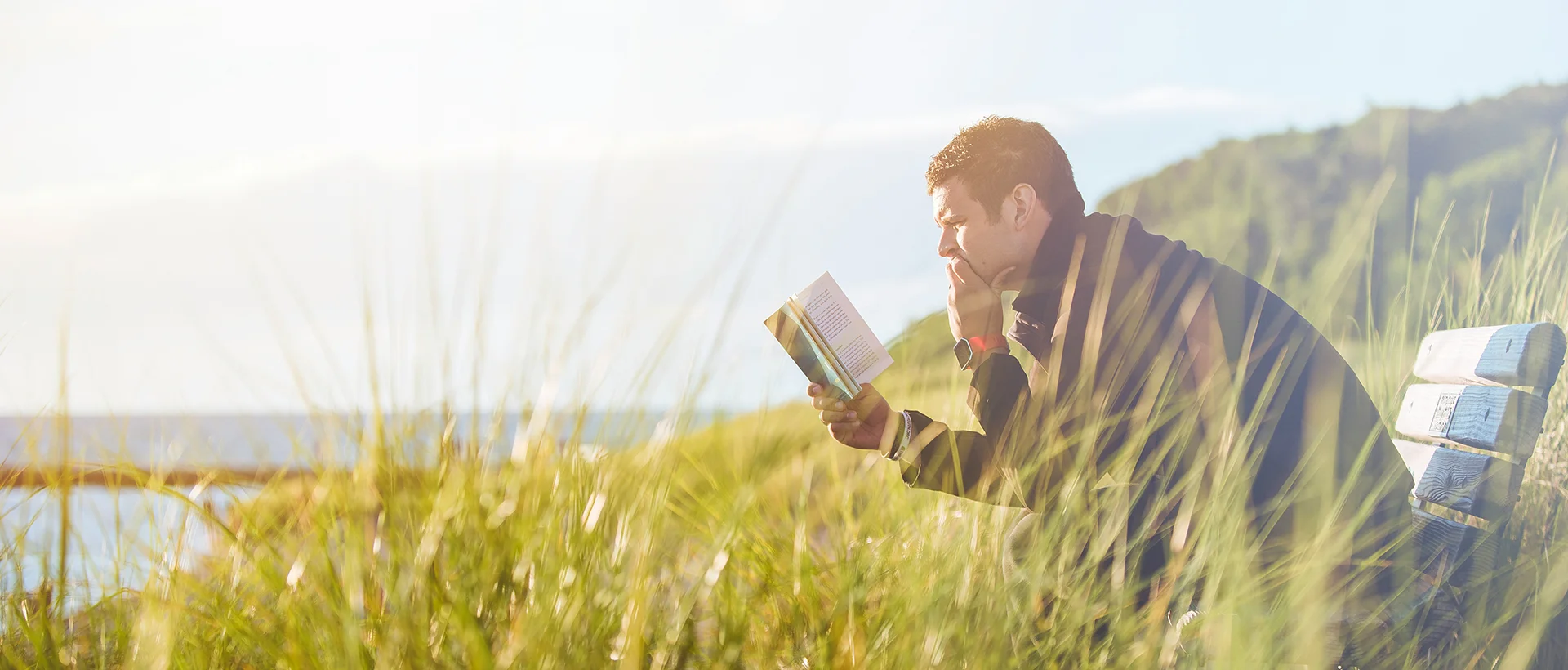
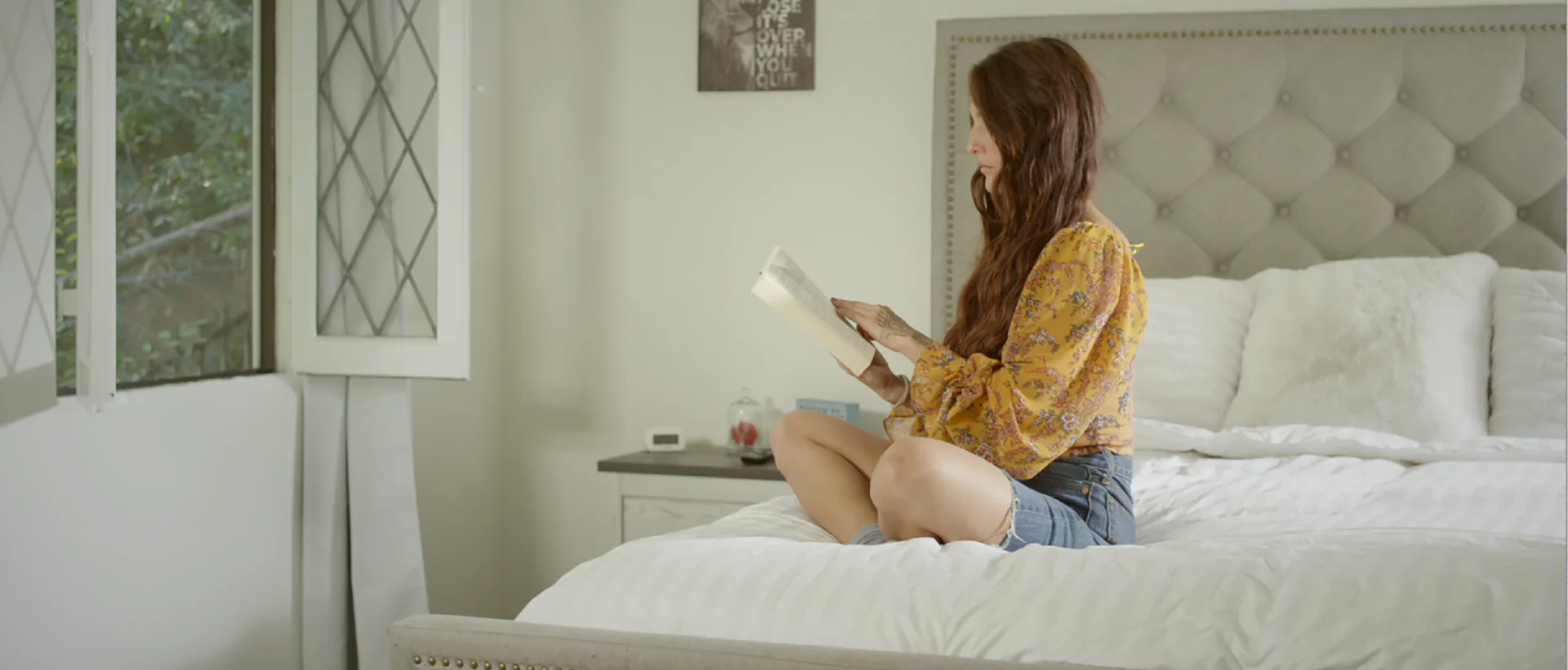
Engaging in a distracting activity can help prevent the escalation of anxiety. This could be anything from reading a book, listening to music, or engaging in a hobby that absorbs your attention.
Keep Lavender on Hand
Lavender is known for its calming properties. Having lavender essential oil or sachets on hand to smell when you feel anxious can provide immediate, natural anxiety relief from anxiety.
Take Any Prescribed Medications
If you have been prescribed medication for managing panic attacks, ensure you take it as directed by your healthcare provider. Medications can play a crucial role in managing severe symptoms of panic attacks efficiently.
Telling Someone Can Change Your Life Too
Sharing your feelings with someone you trust can be incredibly relieving. It can lessen the burden of anxiety and provide crucial emotional support during tough times.
Learn Your Triggers to Reduce Anxiety Chances
Understanding what triggers your anxiety attacks is a vital step in managing them. Record when your attacks occur and what happens before them. This will help you find patterns and maybe avoid these triggers.
Each of these self-help strategies can help manage the symptoms of an anxiety attack, fostering a better sense of control. However, for frequent or severe anxiety attacks, seek professional help from facilities like Luxe Recovery that offer full care for the symptoms of anxiety disorders.
What to do when someone else is having a panic attack
When someone has a panic attack, your support is crucial. It helps them regain their composure. Here are some effective ways to assist when panic attacks occur:
- Introduce yourself and offer help: If you don’t know the person, gently introduce yourself. Ask if they’re having a panic attack and if anything specific has helped them in past episodes. Respect their space and ask for permission before providing any assistance.
- Help them find a calm environment: If it’s safe and possible, guide them to a quieter or more private space. This can help reduce sensory overload and provide a setting where they can focus on regaining control.
- Encourage slow, deep breathing: Coach them to take slow, deep breaths. Inhale deeply through the nose, hold for a moment, and exhale slowly through the mouth. This can help mitigate the hyperventilation often associated with panic attacks.
- Use grounding techniques: If they are familiar with grounding techniques, such as the 5-4-3-2-1 method, guide them. This involves identifying and focusing on items they can see, touch, hear, smell, and taste.
- Remain calm and reassuring: Your calm demeanor can help them feel more secure. Remind them that the panic attack will end. They are not in physical danger, even though the symptoms feel intense and scary.
- Engage in gentle conversation: If appropriate, engage them in light conversation to help distract them from the panic. Talk about neutral topics or ask simple questions to encourage focus on the present.
- Avoid minimizing their feelings: Steer clear of phrases like “just relax” or “there’s nothing to worry about.” These can seem dismissive and may make their feelings of anxiety worse.
- Stay with them: Unless they request to be alone, stay with them until the attack subsides. If they wish to be alone, try to remain nearby and visible so they know support is available.
- Follow their lead: People who experience panic attacks often know what works best for them. Ask them how you can help and follow their lead, adapting your support to their needs.
By following these guidelines, you can support someone having a panic attack and help them feel less overwhelmed and more in control. Your presence and help can be a big comfort. – it shows that they are not alone and that help is available.
When Should You Seek Professional Help for Anxiety Attacks?
Experiencing occasional anxiety or panic attacks is a common part of life. But, seeking professional help is crucial when these episodes interfere with your daily life. Indicators that it’s time to seek professional assistance include:
Frequency and Severity
When attacks are frequent or get worse over time, or you have severe symptoms like chest pain or overwhelming panic. In these cases, you must consult a healthcare professional. These signs suggest that your current coping strategies may not be sufficient.
Impact on Daily Life
Professional intervention is advisable when anxiety significantly disrupts your work, relationships, or daily activities. If you find yourself avoiding situations for fear of triggering an attack, it’s time to seek help.
Persistence of Symptoms
When techniques that once helped no longer provide relief. The anxiety remains persistent and pervasive. It’s important to consider professional treatment options. These might include medication or therapy.
Risk of Self-Harm
Urgent care is necessary if you or others are at risk of harm. Healthcare providers are trained to handle such situations with compassion and professionalism, ensuring you receive the support necessary to manage your condition.
Facilities like Luxe Recovery are equipped to treat anxiety and panic disorders with thorough treatment plans. Treatments here include Cognitive-Behavioral Therapy (CBT), holistic approaches, and tailored plans designed to help reduce anxiety symptoms and improve your life.
Remember, controlling anxiety is not about eliminating it but learning effective strategies to do so. Professional help with mindfulness meditation, guided belly breathing, and other relaxation techniques can be valuable tools in your anxiety management toolkit.
These strategies reduce immediate symptoms and help long-term wellness and resilience against future anxiety episodes.
Manage your symptoms for anxiety disorder with Luxe Recovery
Luxe Recovery creates a nurturing place to address the physical and emotional aspects of anxiety. From yoga to intense therapy for anxiety, each element is tailored to help people regain control and achieve long-term well-being.
Understanding and managing anxiety triggers can change how you handle anxiety attacks – leading to a more peaceful and fulfilling life. Contact us today to get started.

Anxiety Attack FAQs
How Can Learning to Manage Anxiety Attacks Change Your Life?
Learning to manage anxiety attacks can greatly improve your life. It will help you participate in daily activities, maintain relationships, and perform at work. Good management can also reduce the frequency and severity of attacks, which is good for mental health.
What Are Some Quick Actions to Stop a Panic Attack?
To quickly stop a panic attack, use deep breathing. You can also use progressive muscle relaxation or mindfulness exercises. These can reduce symptoms and help you regain control over your body’s panic response.
Are There Any Particular Ways to Stop a Panic Attack in Public?
If you can, find a quiet space in public. Use discreet deep breathing exercises or subtle mindfulness practices. For example, focus on the sensations in your hands or feet. These techniques can help you manage symptoms discreetly.
What Are the Long-term Benefits of Meditation for Anxiety?
Meditation can reduce stress and anxiety by improving your stress response systems and boosting emotional resilience. Over time, it can reduce how often anxiety attacks happen. It can also make them less intense and promote lasting calm.
When Should Someone With Frequent Anxiety Attacks Consider Therapy?
Therapy should be considered if anxiety attacks are so common that they greatly affect daily life – or if the person can’t manage them with self-help. Cognitive Behavioral Therapy (CBT) is particularly effective in treating anxiety disorders.