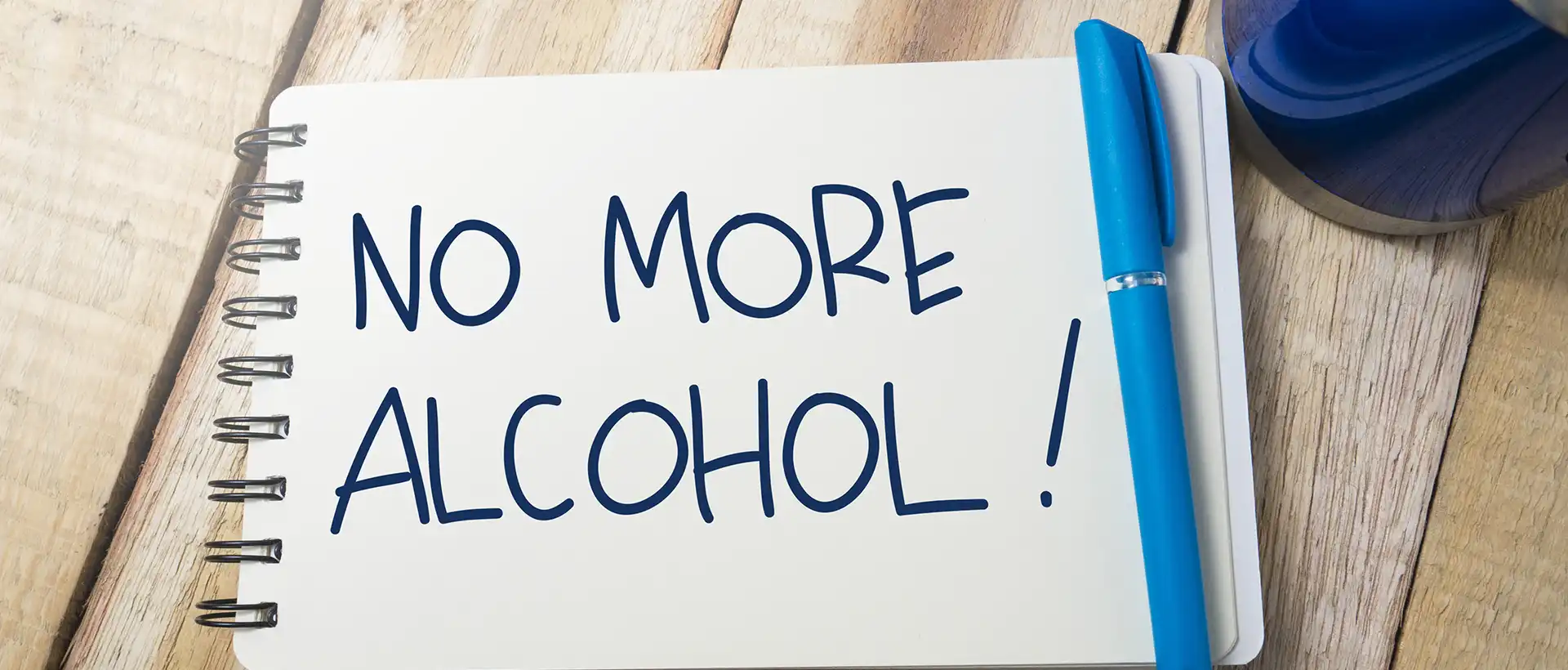

Binge drinking can quickly become a cycle that affects your health, your relationships, and your daily life. Taking practical steps on how to stop binge drinking gives you more control over your choices and helps you build healthier habits.
How to Stop Binge Drinking
To stop binge drinking, recognizing specific actions you can control is essential to making lasting changes. There are many steps you can take to control your alcohol consumption:
Set Realistic and Achievable Goals
The first step to stopping problem drinking is defining what you want to accomplish. Instead of vague intentions, focus on specific, measurable targets, such as reducing the number of drinks in one outing or setting alcohol-free days in your week.
Write down your goals. Clear, written intentions are linked to higher success rates. For example, you might commit to not exceeding four drinks on a social night or choosing not to drink at home.
Once you’ve committed to reducing your drinking, review your progress. Adjust your goals if needed, but make sure they are attainable. This approach encourages steady improvement and helps you avoid the frustration of chasing unrealistic outcomes.
Practice Behavioral Techniques and Self-Monitoring
Tracking your drinking patterns helps identify triggers and times when you are more likely to binge. Maintain a drink diary, either on paper or using a mobile app, to record how much and when you drink.
Use reminders to pause before another drink. Practice counting each drink and pacing yourself with water or non-alcoholic options in between. These simple steps add structure and help manage consumption in social settings.
Self-monitoring is about noticing trends and making changes before a situation escalates. Recognize when you tend to slip and prepare with strategies, like leaving an event early or planning alternative activities.
Establish Supportive Environments
When you want to refrain from binge drinking, it’s important to surround yourself with people who support your choice. Let friends and family know about your goals and ask for their encouragement.
Establishing supportive environments also means choosing venues and activities where drinking is not the main focus. Consider inviting friends to coffee, exercise, or a movie night instead of bars or parties. Your physical environment also matters. Keep little or no alcohol at home and avoid stocking up for events.
Build Healthier Coping Skills
Binge drinking often happens when you use alcohol to cope with stress, boredom, or social anxiety. Replace drinking with healthier stress-management habits, such as physical exercise, meditation, or engaging in hobbies.
Develop a toolkit of activities you enjoy. Try techniques such as deep breathing or journaling when faced with urges to binge. If social situations cause stress, practice setting boundaries and saying no.
When emotional triggers are strong, reach out to a trusted friend, counselor, or support line for guidance. Building these new coping skills reduces your reliance on alcohol and makes change more sustainable.
Explore Professional Treatment and Support Groups
Several treatment options are available to help reduce or stop binge drinking. Outpatient counseling sessions offer flexibility, allowing you to maintain your daily responsibilities while attending scheduled appointments. For more severe cases, inpatient treatment programs can offer structured routines and medical support throughout your recovery period.
Support groups provide an accessible way to connect with others facing similar challenges. Groups like Alcoholics Anonymous (AA) and SMART Recovery use peer-led meetings to offer encouragement, share experiences, and provide accountability. Attending group meetings reduces isolation and offers practical advice from members further along in their recovery journey.
What Is Considered Binge Drinking?
According to the National Institute on Alcohol Abuse and Alcoholism, binge drinking is defined by consuming a large amount of alcohol in a short period, typically raising blood alcohol concentration (BAC) to 0.08 g/dL or higher.
For most adults, this means about 5 or more drinks for men, or 4 or more drinks for women, in about two hours. This pattern differs from moderate drinking, where alcohol intake is spaced over time and is lower overall.
Risks and Health Effects of Binge Drinking
Binge drinking can have serious and immediate effects on your health and safety. Understanding these risks is an important step in preventing binge drinking. When you’re aware of the possible consequences, it becomes easier to make informed decisions and seek support when needed.
Long-Term Health Problems
If binge drinking happens regularly, it can also lead to long-term health problems. These include liver damage, high blood pressure, heart issues, and a higher risk of certain cancers.
Even occasional binges may affect your memory, thinking, and overall brain function. For teenagers and young adults, heavy drinking can interrupt brain development and hurt academic performance.
Your body works hard to process large amounts of alcohol. When excessive alcohol use becomes a pattern, it puts extra strain on your heart, liver, and brain. This slowly increases your chances of becoming dependent on alcohol or developing serious health conditions.
Emotional Consequences
It’s not just your body that suffers. Emotionally, binge drinking can lead to mood swings, anxiety, and low energy. These feelings often follow a heavy drinking session and may make you want to drink again just to feel better.
When you start relying on alcohol to get you through these emotionally charged moments, it creates a difficult cycle to break. Engaging in binge drinking can also create alcohol dependence, and you’ll find that it will be increasingly difficult to drink less and quit drinking.

Relationship Problems
Binge drinking also affects your relationships. It can lead to arguments, broken trust, and missing out on responsibilities at school, work, or home. Many people wake up after a binge feeling embarrassed, guilty, or ashamed because of what happened while they were under the influence.
If your relationships constantly suffer because of excessive drinking, you may begin to feel unlovable and isolated, even when people around you want to help.
Financial and Legal Problems
Binge drinking can also create serious financial and legal consequences that affect your stability and future.
For instance, spending money on alcohol can quickly add up. You may find yourself struggling to pay bills, cover basic expenses, or manage debt. In some cases, alcohol may take priority over essentials like food, rent, or transport.
Legal trouble can also arise. Drinking and driving, public intoxication, or disorderly behaviour can result in fines, arrests, or a criminal record.
When to Consult a Healthcare Provider for Alcoholism
Early signs that warrant contacting a healthcare professional include frequent episodes of heavy drinking, trouble cutting down, or negative effects on your health or daily life. You might also notice increased tolerance or withdrawal symptoms when not drinking.
A healthcare provider can assess your situation, discuss risks, and determine if medical supervision is needed. This is especially important if you have a history of severe withdrawal symptoms, mental health challenges, or chronic medical conditions aggravated by alcohol.
In some cases, a stay in a rehab center may provide a safe environment for detoxification, therapy, and relapse prevention skills. Medical teams in these settings monitor your progress and tailor approaches to your individual needs, helping to minimize risks and promote recovery.
Get Help for Alcohol Addiction at Luxe Recovery LA
Frequent binge drinking can slowly develop into alcohol use disorder, and this condition can have serious effects on your health and future. If you think that you’re slowly losing control of your drinking, it’s best to seek help right away.
At Luxe Recovery, we’re here to help you stop excessive drinking and live a healthier life. Our team has years of experience in providing comprehensive alcohol addiction treatment to many clients. Reach out to us today to learn more about how we can help.
Frequently Asked Questions
What are effective strategies for cutting back on excessive alcohol consumption?
You can set clear limits for yourself, such as a specific number of drinks per week, and stick to these goals. Plan alcohol-free days or only drink in social settings where you feel comfortable stopping after one or two drinks. Find alternative activities, such as exercise or hobbies, to fill the time you might have spent drinking.
What support options are available for individuals struggling with alcohol use?
You can reach out to your primary care provider or a mental health professional for personalized advice. Confidential help and treatment referrals are available through services such as SAMHSA's National Helpline, which operates 24/7. Joining a support group or talking to others who have dealt with similar issues can offer additional encouragement and accountability.
How does one identify the triggers that lead to excessive drinking episodes?
Keep a journal to record when and where you drink and how you feel beforehand. Look for patterns, such as certain times of day, social settings, or emotional states that make you more likely to binge drink. Becoming aware of these triggers can help you develop effective coping strategies.
Can you outline the steps to maintain sobriety after deciding to quit binge drinking?
Start by removing alcohol from your home and avoiding environments that encourage heavy drinking. Set specific, realistic goals and track your progress. Make regular check-ins with a counselor or support group part of your routine. Replace previous drinking routines with healthier behaviors and make self-care a daily priority.
What role do family and friends play in helping someone overcome problematic drinking habits?
Your family and friends can offer emotional support, help you stay accountable, and encourage you during difficult moments. Open communication about your goals and challenges helps them understand your needs. Their willingness to participate in alcohol-free activities can also make it easier for you to avoid triggers and stick with your plan.
Are there any proven psychological techniques to help prevent relapses into binge drinking?
Techniques like cognitive-behavioral therapy (CBT) can teach you how to challenge and change negative thoughts about drinking. Practicing mindfulness and stress management skills also reduces the urge to drink when faced with triggers. Regularly reviewing your reasons for change and celebrating progress provides ongoing motivation and reinforces healthy habits.