









Massage Therapy for Addiction Recovery
Home Massage Therapy for...

Massage Therapy for Addiction Recovery

acupuncture

What is Massage Therapy?

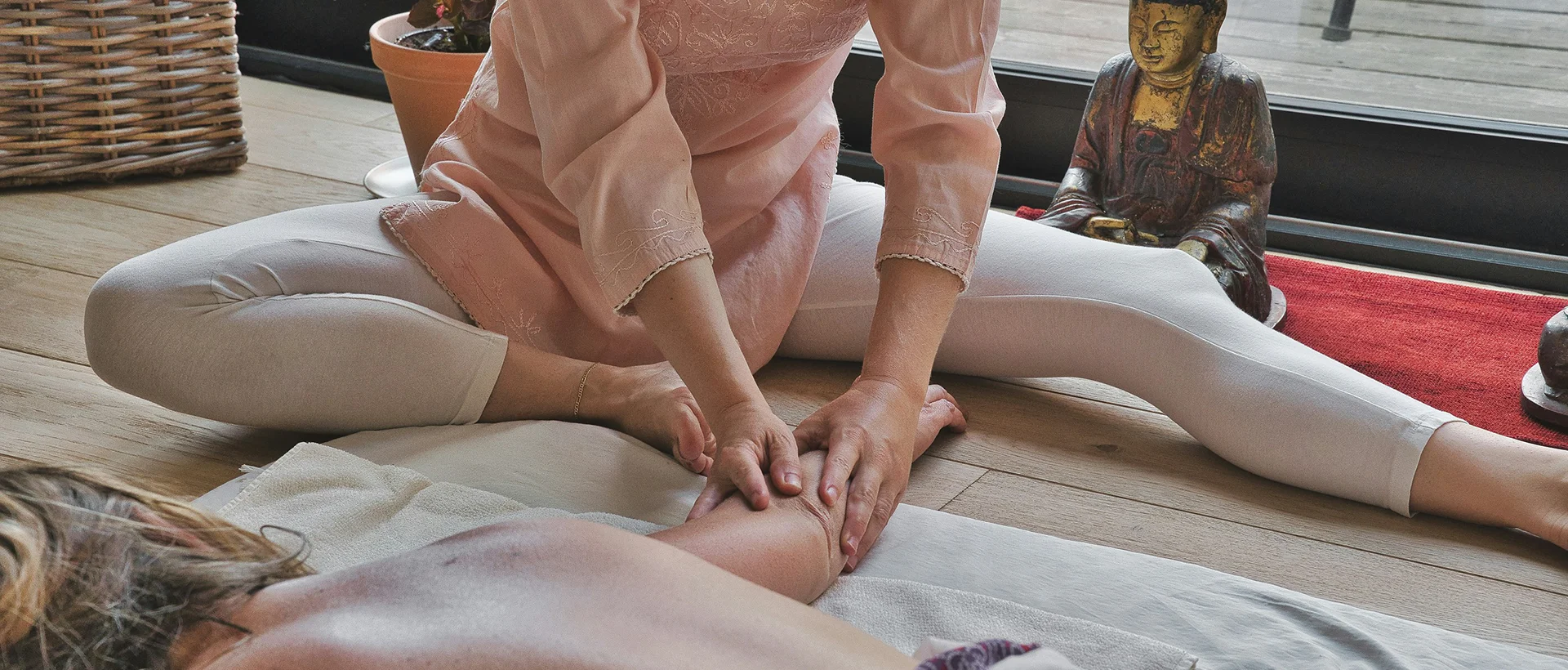
Massage therapy, tracing back to ancient times, has evolved into a sophisticated treatment for a wide range of conditions, including pain, sports injuries, stress, and anxiety.

It entails the skilled manipulation of the body’s soft tissues – muscles, connective tissues, and tendons – using various techniques by therapists’ hands, fingers, forearms, elbows, and even feet.

This approach promotes relaxation, improves circulation, activates the body’s natural healing processes, and boosts the immune system.

Crucially, in addiction recovery, massage therapy offers a non-pharmacological method to manage withdrawal symptoms, alleviate stress, and support the detoxification process. It aids in the early stages of withdrawal and significantly contributes to the recovery journey by enhancing self-awareness and promoting emotional balance.

Through professional massage, individuals in recovery can forge a deeper connection with their bodies, facilitating a path to sobriety and long-term wellness.

Different Types of Massage Therapy

Massage therapy offers a wide array of techniques designed to cater to different needs, making it a versatile tool in addiction recovery and overall wellness. Let’s explore some of the most popular types of massage therapy and their unique contributions to healing and recovery.

pool

Swedish Massage

Often recommended for beginners, Swedish massage is the quintessential therapy for relaxation and stress relief. It employs long, flowing strokes, kneading, and circular movements on superficial layers of muscle using massage oil or lotion.

This gentle approach is designed to promote relaxation, ease muscle tension, and improve circulation, making it a foundational therapy in addiction recovery programs.

By encouraging relaxation and reducing stress, Swedish massage helps individuals in recovery from drug and alcohol addiction find a serene mind space, aiding in their overall recovery process.

relax

Hot Stone Massage

This type employs smooth, heated stones placed at key points on the body to relax and warm up tight muscles, allowing the massage therapist to apply deeper pressure if needed.

The stones’ warmth improves circulation and calms the nervous system, relieving the physical discomforts associated with detoxification and early recovery stages.

Hot stone massage is particularly beneficial for those struggling with substance abuse issues, as it aids in alleviating muscle tension and stress, offering a unique form of relaxation and comfort.

front-house

Trigger Point Massage

This type focuses on areas of tight muscle fibers that can form in your muscles after injuries or overuse. Trigger point massage applies deep, concentrated pressure to these areas, offering relief from pain and aiding in muscle recovery.

For those in recovery from addiction, this massage technique can be especially beneficial in addressing chronic pain without the need for drugs or alcohol, supporting the recovery journey by providing a natural means of pain management.

sunrise

Deep Tissue Massage

As the name suggests, deep tissue massage involves applying sustained pressure using slow, deep strokes to target the inner layers of your muscles and connective tissues. This helps to break up scar tissue that forms following an injury and reduces tension in muscle and tissue.

It can be particularly helpful for recovering people with an addiction who hold a considerable amount of tension in their muscles or suffer from chronic pain, offering a profound sense of physical relief and facilitating a deeper connection with one’s body.

backyard

Shiatsu Massage

Originating from Japan, Shiatsu massage is a form of therapy that uses rhythmic pressure from the fingers, hands, and elbows to stimulate the body’s vital energy (known as chi). It’s performed without oils through comfortable clothing, allowing the therapist to manipulate the body’s energy pathways or meridians to promote balance and relaxation.

Shiatsu benefits people in recovery by promoting emotional and physical harmony, reducing stress, and enhancing self-awareness—a critical component of the recovery process.

Our treatment center offers a variety of massage therapies integral to our holistic approach to addiction recovery. These sessions are designed to bolster physical and emotional healing, enhancing traditional therapies like talk therapy.

Research supports their effectiveness in improving well-being for those facing substance abuse challenges. 

How Can Massage Therapy Treat Substance Misuse and Co-Occurring Disorders?

Integrating regular massage therapy sessions into a treatment program can effectively address substance misuse and co-occurring mental health disorders. By promoting relaxation and reducing stress, massage therapy helps mitigate symptoms of anxiety, depression, and panic disorders. The holistic approach encourages a sense of physical and emotional well-being, supporting clients in managing dual-diagnosis challenges.

dinner

How Does Massage Therapy Affect Long-Term Recovery and Aftercare?

Massage therapy plays a critical role in the long-term recovery and aftercare phases.

Regular massage can help maintain low stress levels, support the body’s natural detoxification processes, and encourage healthy lifestyle choices by being part of a holistic recovery plan; massage therapy aids in sustaining sobriety, enhancing the quality of life, and preventing relapse.

Get Addiction Treatment Using Massage Therapy – Contact Us Today

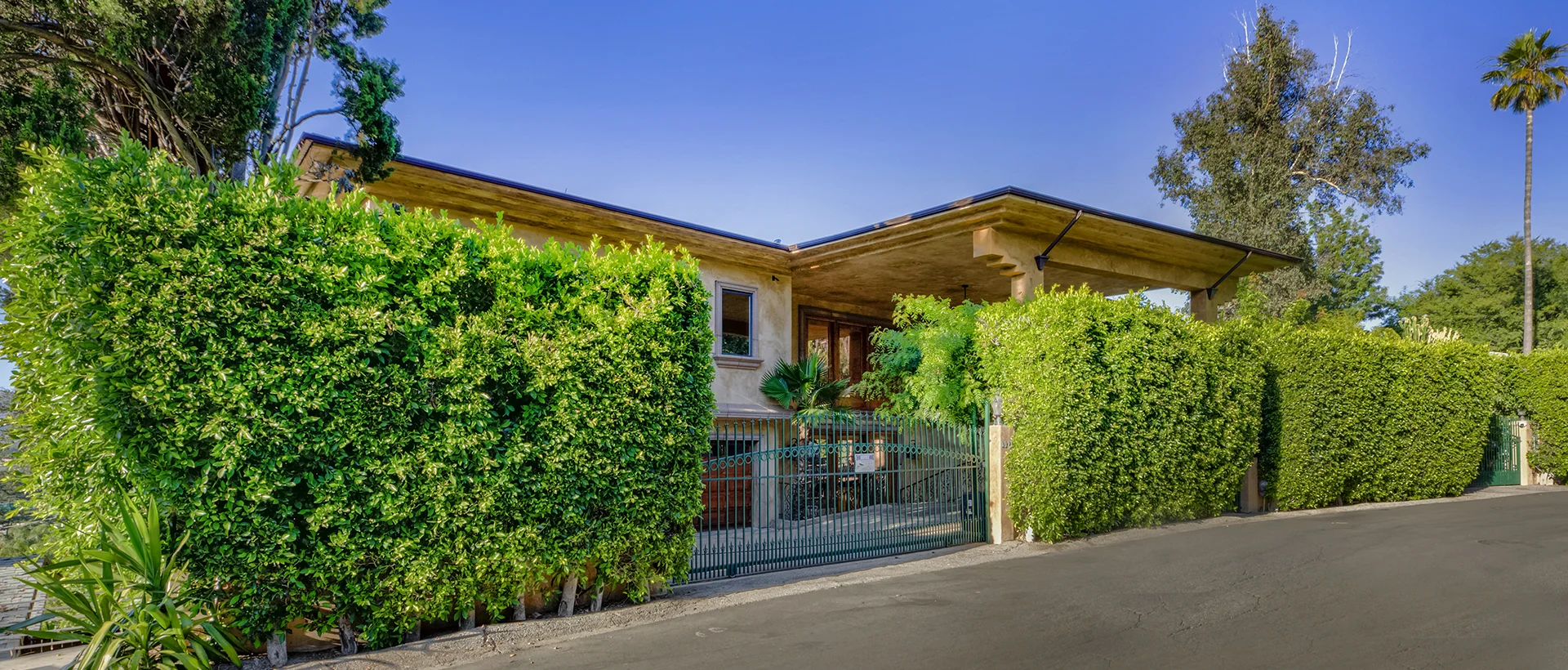
Luxe Recovery offers massage therapy as part of addiction recovery. Nestled in the serene hills of Los Feliz, our facility provides a tranquil environment where you can focus on your recovery journey. Our team of experts is dedicated to supporting you through every step, combining traditional and holistic therapies to address the root causes of addiction.

Contact us today to learn how massage therapy and our comprehensive treatment options can help you or a loved one on the path to recovery and wellness.