



















Mental Health Treatment Los Angeles
Home Mental Health Treatment...

Mental Health Treatment Los Angeles

man-looking

Mental Health in the U.S

Mental health issues are surprisingly common in the United States, touching the lives of people across various age groups and demographics. A notable 36% of young adults aged 18 to 25 and 29% of adults aged 26 to 49 reported having faced mental illness within the last year as of 2022.

Depression, in particular, stands out as a prevalent condition, affecting 8.8% of U.S. adults who have gone through a major depressive episode over the same timeframe.

The rates are even higher among women and younger adults, which signals a pressing need for treatments that are both effective and widely accessible. Moreover, the overlap between substance abuse and mental health is significant, with 26% of U.S. adults who have struggled with alcohol dependence or abuse also grappling with severe mental illness. 

These statistics highlight the critical need for mental health and substance abuse treatments that address both issues concurrently.

What is Mental Health Treatment?

Mental health treatment programs help people deal with emotional, psychological, and social challenges. It offers different ways to manage or overcome mental health issues, aiming to improve well-being and quality of life.

This treatment can include talking to a therapist, taking medications if needed, making lifestyle changes, and learning new ways to handle stress and emotions. The approach is always personalized because everyone’s experience with mental health is different. 

Whether it’s through one-on-one therapy sessions, group support, or other methods, the goal is to provide the right tools and support for each person’s unique journey. Mental health treatment is about offering hope and pathways to a better life for those struggling with mental health disorders. 

pen-and-paper

Our Mental Health Treatments in Los Angeles

We offer a broad spectrum of evidence-based treatments tailored to address a wide range of mental health conditions and substance use disorders.

Our approach combines the latest research in medical rehabilitation with a compassionate, patient-centered philosophy, ensuring a holistic path to recovery for each individual.

Man reading in the field

Cognitive Behavioral Therapy (CBT)

Our CBT sessions are designed with care, helping individuals change negative thought patterns and behaviors in a supportive environment.

This behavioral health therapy empowers clients, guiding them towards healthier ways of thinking and feeling.

talking-on-a-bench

Dialectical Behavior Therapy (DBT) 

DBT is offered as a source of support for those dealing with intense emotions or relationship issues, especially helpful for those with borderline personality disorder or dual diagnoses.

It teaches valuable skills for managing emotions, improving relationships, and living more mindfully.

interviewing

Motivational Interviewing for Personal Growth

We use Motivational Interviewing (MI) to help clients find their own reasons for change. This approach is particularly effective for overcoming substance use.

This approach to treating mental health issues aligns recovery with personal values, encouraging a more meaningful healing process.

People having dinner

Process Groups for Shared Healing

Our process groups provide a safe space for sharing and support, allowing clients to connect with others who understand their struggles.

This treatment option is key to building a sense of community and belonging.

Acupuncture

Holistic Therapies for Complete Well-being

We embrace holistic therapies like art therapy, massage therapy, and EMDR to support all aspects of healing. Each therapy is chosen to help heal the mind, body, and spirit together.

We’re dedicated to offering a healing environment that feels safe and welcoming. Our treatment facilities and amenities are chosen to provide comfort and inspire our clients on their path to recovery. Here, we focus on nurturing the whole person, promoting a life of balance and inner peace.

Mental Health Conditions We Treat at Luxe Recovery

We specialize in providing compassionate and comprehensive care for various mental health conditions. Our commitment is to offer a supportive environment where individuals can find healing and growth. 

group-therapy

Anxiety Disorders

Anxiety disorders encompass a range of conditions characterized by excessive fear, worry, and nervousness. Our treatment plans include therapies like CBT and DBT alongside holistic approaches to help manage symptoms, reduce stress, and improve overall functioning.

couple-resting-heads

Depression

Depression affects millions and can manifest as persistent sadness, loss of interest in activities, and a range of physical symptoms.

At Luxe Recovery, we tailor our treatment approaches, including therapeutic sessions and lifestyle interventions, to help uplift and support our clients through their journey out of depression.

head-down

Bipolar Disorder

Bipolar disorder involves episodes of mood swings ranging from depressive lows to manic highs. Our team provides a balanced treatment approach that aims to stabilize mood swings and offers strategies for clients to maintain emotional equilibrium.

freedom

Obsessive-Compulsive Disorder (OCD)

OCD is characterized by unwanted and intrusive thoughts (obsessions) and repetitive behaviors (compulsions). Our treatment services focus on techniques to manage these symptoms, reduce their impact on daily life, and improve overall well-being.

head-in-hands

Post-Traumatic Stress Disorder (PTSD)

PTSD can occur after experiencing or witnessing a traumatic event. Our approach includes trauma-informed therapies like EMDR, alongside supportive group and individual sessions, to help clients process and move beyond their traumatic experiences.

couple-looking-into-distance

Dual Diagnosis

For individuals facing the complexities of a dual diagnosis involving substance use disorders alongside mental health conditions, we offer integrated care plans.

These are designed to address both aspects concurrently, ensuring a holistic path to recovery.

How We Treat Co-occurring Conditions at Luxe Recovery

We understand that many individuals face the complex challenge of co-occurring conditions where mental health issues and substance use disorders intersect.

Our team of compassionate professionals specializes in the treatment of co-occurring mental health conditions, creating an integrated care plan tailored to each individual’s unique needs.

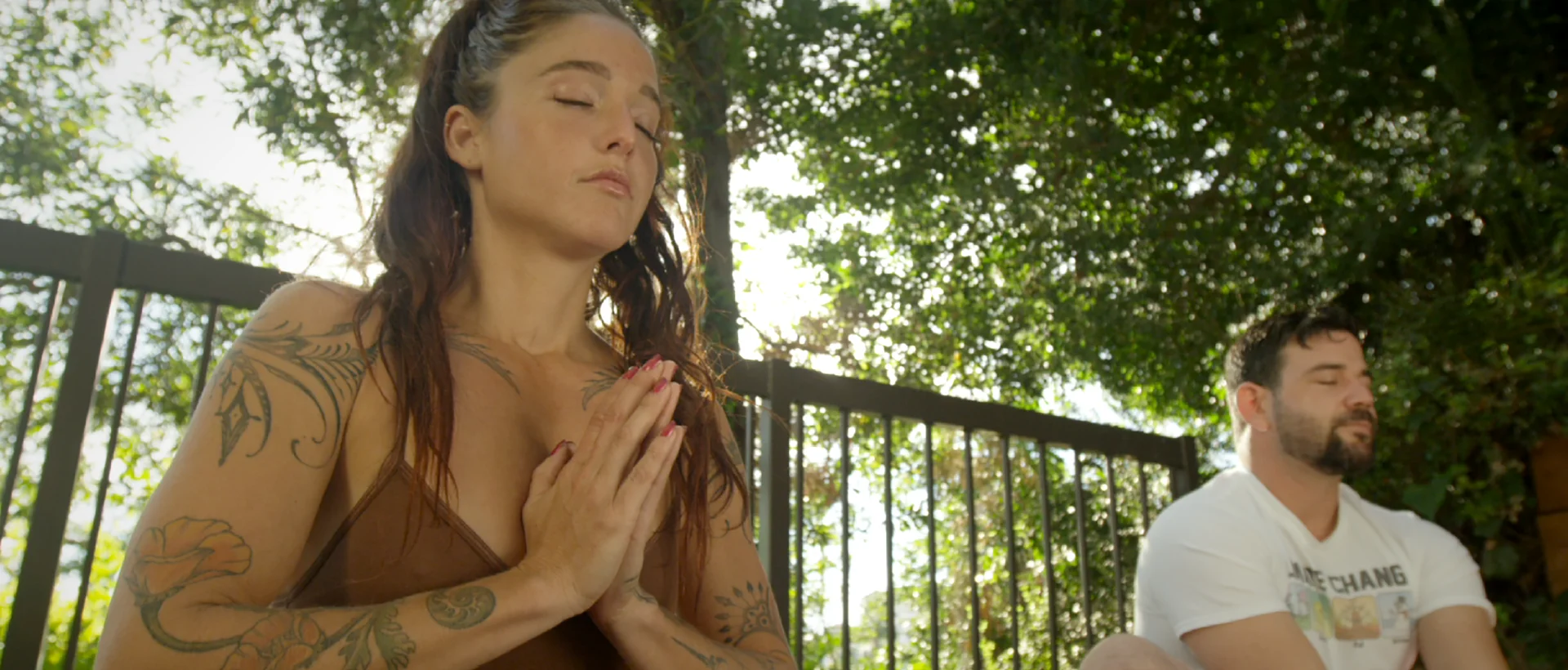
We combine evidence-based therapies, such as Cognitive Behavioral Therapy and Dialectical Behavior Therapy, with supportive group sessions and holistic practices like mindfulness and yoga.

This ensures that both the mental health condition and substance use disorder are treated in tandem, fostering a more effective and sustainable recovery journey.

Our goal is to not only address the symptoms but also promote holistic well-being, enabling individuals to lead fulfilling lives free from the constraints of co-occurring conditions.

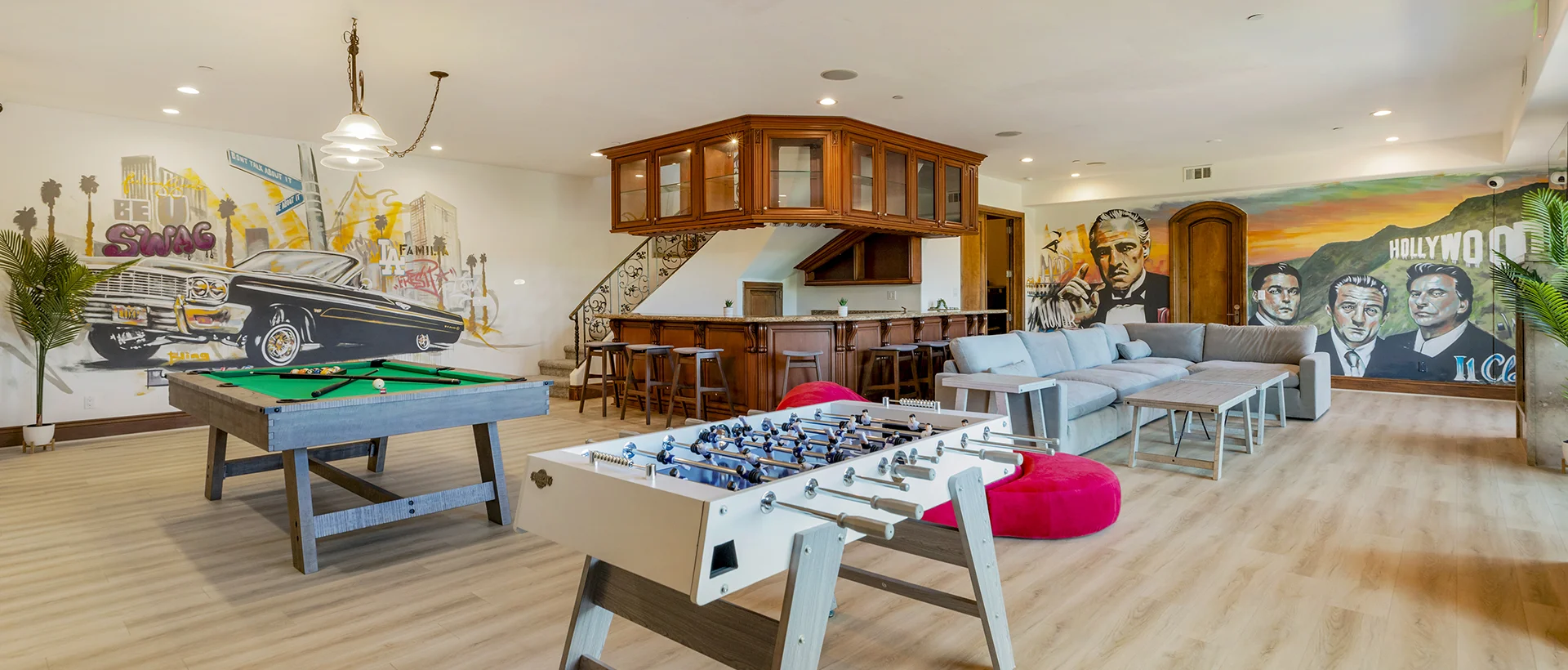
With our luxurious rehab facilities and a broad spectrum of therapeutic modalities, we are committed to providing our clients with the tools and support they need for a lasting recovery.

Recreational area

Our Mental Health Recovery Process at Luxe Recovery

Choosing mental health treatment with Luxe Recovery is a significant step towards reclaiming your well-being. Here’s how we personalize your journey to mental health recovery:

Hug

Step 1: Reach Out for Support

Your path to healing begins the moment you decide to seek help. Contacting Luxe Recovery is easy – just reach out to us to arrange your initial consultation at any of our treatment centers in Los Angeles.

counseling

Step 2: Consultation with a Mental Health Expert

Your first conversation will be with one of our compassionate mental health professionals. This session is about understanding your experiences and needs through thoughtful questions and active listening, laying the groundwork for your personalized treatment program in Los Angeles.

This is where you can decide whether to start addiction treatment in a residential facility or only attend day treatment programs for minor mental health concerns.

woman-doing-yoga

Step 3: Crafting Your Personalized Treatment Plan

Together, we’ll design an individualized treatment plan tailored to your situation. This could involve individual therapy sessions, participation in therapeutic group activities, or engaging in healing practices like art therapy or mindfulness, all chosen to resonate with your personal journey.

Girl and computer

Step 4: Beginning Your Therapy Journey

As therapy progresses, you’ll delve into your thoughts and emotions, developing effective coping strategies and gaining valuable skills for navigating life’s challenges.

Our therapists are dedicated to supporting you every step of the way, ensuring you feel heard, understood, and empowered.

Man-thinking

Step 5: Integrating Medication (If Needed)

If medication is deemed beneficial for your treatment, our expert clinicians will guide you through this process. We prioritize careful monitoring and adjustments to ensure that any prescribed medication contributes positively to your recovery journey.

Yoga woman

Step 6: Regularly Reviewing Your Progress

Your addiction and mental health treatment plan is dynamic, evolving with your progress. Regular reviews with your therapist will celebrate your achievements and refine your plan to meet your evolving needs, ensuring that your journey to recovery, whether through outpatient treatment or residential treatment, remains on track.

Reading woman

Step 7: Building Independence

Our ultimate goal is to equip you with the knowledge and tools to manage your mental health confidently on your own. We also emphasize the importance of building a supportive network, ensuring you have a community to lean on.

Exercise man

Step 8: Continued Support

After reaching your initial goals, Luxe Recovery remains committed to your long-term well-being. Our aftercare services offer ongoing support, whether through occasional check-ins or continued participation in support groups, ensuring you feel supported in maintaining your mental health.

We believe in a holistic approach to mental health and substance use treatment, where luxury meets compassionate care. Our serene Los Angeles settings provide the perfect backdrop for your journey to recovery, supported by our team of dedicated professionals and a community that understands.

Begin Your Journey to Mental Wellness with Luxe Recovery LA

At Luxe Recovery, we understand the courage it takes to seek help. Whether you’re at our Los Feliz sanctuary or Studio City retreat, our mental health facilities in Los Angeles are dedicated to guiding you through every step of your recovery.

With our comprehensive care and supportive community, you’re not just starting treatment but taking a step toward a new life. Don’t let another day go by, wondering what could be. 

Contact us today – let’s walk the path to wellness together.

FAQs

Can Mental Health Issues Be Completely Cured?

While some mental health problems can be effectively managed to the point of remission, others are more chronic and require ongoing treatment. The goal of mental health rehab treatment is often to reduce symptoms, improve quality of life, and increase functional abilities rather than to “cure” the condition in the traditional sense.

Is Substance Abuse a Mental Health Disorder?

Yes, substance abuse is considered a mental health disorder. It’s called Substance Use Disorder (SUD) and happens when using alcohol or drugs leads to health issues or problems at work, school, or home. Like other mental disorders, it can be treated and managed.

How Does Alcohol Affect Mental Health?

Alcohol can seriously impact your mental health. While it might help with stress or sadness at first, it can worsen these feelings over time. Alcohol misuse can lead to problems like depression and anxiety and can even make it hard to handle stress without it.

How Do Drugs Affect Mental Health?

Drugs can harm your mental health in several ways. They can change how you think, feel, and behave. Some drugs can make you feel paranoid, anxious, or depressed. Long-term use can lead to lasting mental health problems or make existing issues worse.