
We occasionally double-check whether the doors are locked, the appliances are turned off or unplugged, or the windows are closed before leaving our house or our workstation. However, for people with Obsessive-Compulsive Disorder (OCD), these tasks become part of their daily routine, and the urge to disregard them is almost impossible.
OCD affects millions of people across the globe. The never-ending cycle of obsession and compulsion profoundly impacts daily functioning and the overall quality of life.
Not all people with OCD manifest the same degree of distress because the symptoms can vary in terms of severity. Some people who are experiencing mild symptoms may respond to the standard treatment approach in a short period of time, but those with severe symptoms may require more rigorous support in a residential setting.
Here at Luxe Recovery, we offer comprehensive residential care for those struggling with OCD. Our highly trained healthcare professionals are here to provide intensive and structured interventions that suit your needs and preferences.
Obsessive-Compulsive Disorder Residential Care: How it Works?
OCD residential care facilities are specialized treatment centers designed to provide intensive and multidisciplinary programs around the clock (24/7) for people with OCD. This type of comprehensive intervention involves a range of therapeutic modalities to address the complexity of your OCD symptoms. If you are considering a residential treatment to manage your OCD, you can expect that the program includes:
Comprehensive Assessment and Treatment Planning
A multidisciplinary team (e.g., psychiatrists and psychologists) conducts a comprehensive assessment of the individual upon admission. A series of clinical interviews and the administration of standardized psychological tests are conducted to identify the presence, nature, frequency, and severity of OCD symptoms. In addition, comorbidities (or co-occurring conditions) such as depression treatment are ruled out to provide a more accurate diagnosis. Once the assessment is done, the providers create a personalized treatment plan.
Evidence-Based Psychotherapy
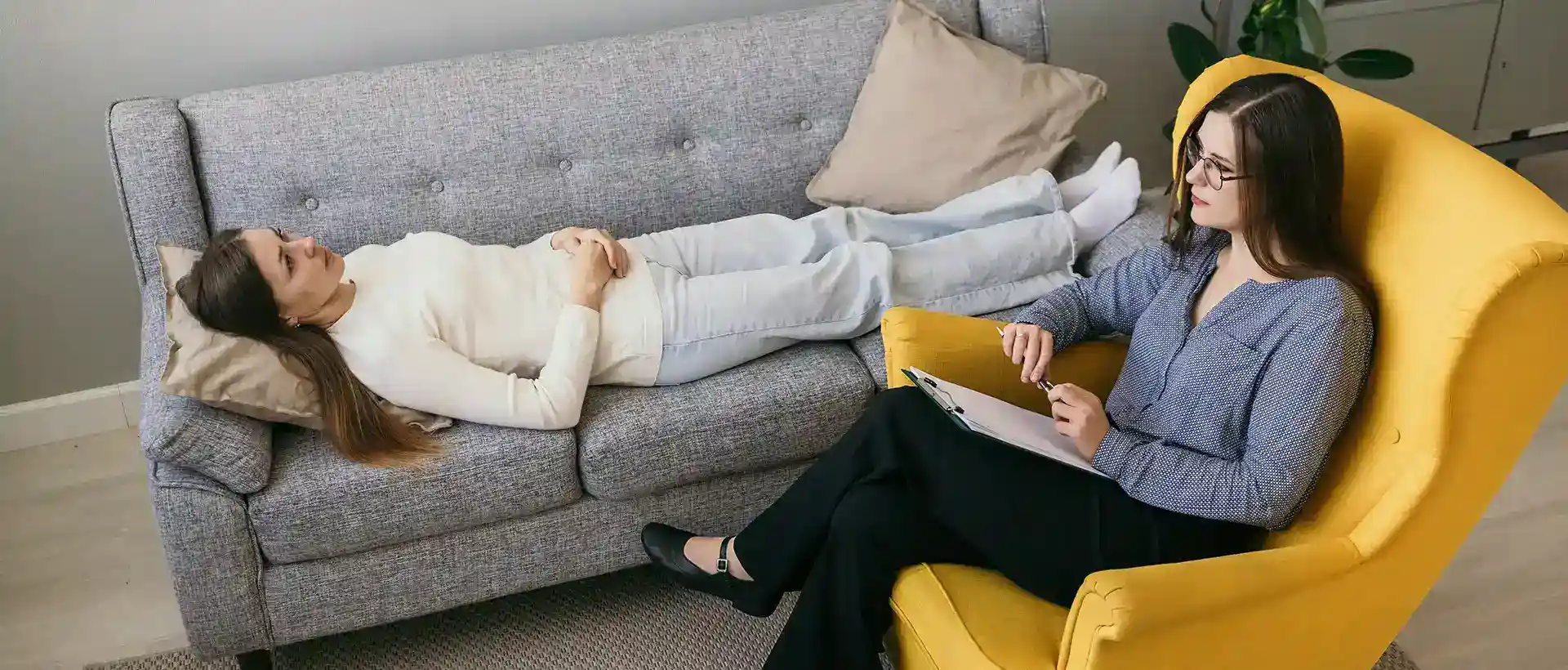
When being treated in a residential care program, you will expect that a more intensive psychotherapeutic intervention is provided. It includes more structured sessions, follow-ups, and monitored progress. As the gold standard treatment for OCD, the therapist will employ Cognitive Behavioral Therapy (CBT) with Exposure and Response Prevention (ERP). One of the goals of the therapy is to identify irrational thoughts and challenge them. The therapist also works on helping you confront the images, thoughts, or situations that induce fear and anxiety. During the exposure, the therapist guides you to refrain from engaging in your usual repetitive behavior. The mechanism of exposure and prevention allows your anxiety to gradually subside over time.
Medication
Pharmacological (medication) management is integral to a comprehensive program in a residential setting. A psychiatrist may prescribe medications like Selective Serotonin Reuptake Inhibitors (SSRIs) to alleviate the symptoms of OCD. It works by blocking the reabsorption of serotonin in the brain, a neurotransmitter responsible for regulating emotions. In some cases, your psychiatrist may recommend benzodiazepines to manage the acute symptoms of OCD.
Psychoeducation
Psychoeducation is an intervention that seeks to provide you with accurate information about OCD. It covers the causes and risk factors, symptoms, and suggested treatment modalities for the disorder. The therapist also debunks myths and misconceptions about the disorder. Your family members may be involved in learning how to provide support, encourage you to adhere to the treatment, and create an environment without stigma. Generally, psychoeducation helps you understand your condition and manage it better.
Supportive Environment
A supportive community plays a vital role in the treatment program in residential care facilities. Interacting with people with whom you share similar experiences, struggles, and challenges in managing your OCD is beneficial to reduce feelings of isolation and motivate you to engage in treatment. In addition, your therapist may also encourage you to join group therapy sessions, process group sessions, and some recreational activities.

Benefits of Obsessive-Compulsive Disorder Residential Treatment
OCD is a challenging mental health condition that affects our day-to-day functioning. For those who are struggling with managing their OCD symptoms with the common treatment modality, residential care facilities offer an opportunity for them to have:
- Intensive Support: OCD residential care provides a continuous presence and support from trained staff to attend to your complex needs related to your mental health journey. It gives you an assurance of immediate response during heightened distress and constant monitoring of therapeutic progress. Intensive support can also help healthcare providers address your evolving needs and challenges.
- Structured Routines: A residential setting can help you create healthy habits by consistently following a structured daily routine. Having a routine such as scheduled activities, meals, therapy sessions, recreation, and relaxation hours helps you feel less uncertain, which leads to reduced anxiety.
- Focused Recovery: When you are treated in a residential care facility, there are few external stressors, and you have fewer distractions. Hence, you can concentrate and commit to your treatment and recovery journey wholeheartedly.
Signs and Symptoms of Obsessive-Compulsive Disorder
According to the Diagnostic and Statistical Manual for Mental Disorders Fifth Edition Text Revision (DSM-5 TR) of the American Psychiatric Association (APA), an individual is likely to be diagnosed with OCD when the following diagnostic criteria are met:
- A presence of obsessions, compulsions, or both. Obsessions are defined as persistent intrusive and unwanted thoughts or images that cause marked anxiety or distress. Compulsions are repetitive (e.g., handwashing, checking, ordering) or mental acts (e.g., counting, praying, etc.) that the individual is urged to perform in response to an obsession.
- Obsessions or compulsions are time-consuming (i.e., more than an hour a day) or cause a significant impairment in important areas of functioning.
- Obsessions and compulsions are not attributable to the effects of a substance or another medical condition.
- Disturbance is not better explained by another mental disorder.

Why Consider Treatment for OCD at Luxe Recovery?
Generally, residential treatment facilities provide more structure and comprehensive treatment modalities for people navigating the challenges brought by OCD.
At Luxe Recovery, we provide personalized treatment programs, our healthcare providers use evidence-based therapies, and our highly trained staff provides round-the-clock support throughout your mental health journey.
We ensure that you will benefit from our intensive and compassionate care, structured routines that promote stability, and a world-class environment with less distraction and external stressors.
By choosing Luxe Recovery, you can embark on a journey toward an improved quality of life. Contact us and learn how our comprehensive approach makes a difference.