

A cross-sectional study of data from the National Survey on Drug Use and Health indicated that cocaine use was in decline among young adults aged 18 to 22. Promising as this news is, it does not mean that cocaine addiction is not a major public health concern.
Private cocaine rehab programs can offer substance abuse and mental health treatment that can help people find a way out of addiction. The smaller staff-to-patient ratios and expanded therapy options can make a difference in the recovery process.
Cocaine Addiction and Its Impact
Cocaine is a powerful stimulant drug that affects your brain’s dopamine system, sparking changes in mood, behavior, and your physical well-being. Cocaine addiction, or cocaine use disorder, can set in as repeated use rewires the brain, making cravings and destructive patterns tough to overcome without professional help.
Short-Term and Long-Term Effects of Cocaine Use
Cocaine use gives you a quick burst of energy, alertness, and maybe a burst of confidence. Paranoia, nausea, tremors, and hypersensitivity can appear after just one use. Heart problems, like irregular rhythms or even heart attacks, become real concerns with long-term use of the drug. Weight loss is common since the drug suppresses your appetite.
Physical issues depend on the method of use. Snorting leads to nosebleeds and nasal tissue damage. In extreme cases, this can lead to a ‘saddle nose,’ which is when the cartilage between the nostrils is so damaged that the nose itself collapses inward.
Further, extended use can affect your mind; hallucinations, paranoia, or even symptoms that are similar to schizophrenia are all possibilities. These effects make it tough to keep relationships or manage daily life.
Private Cocaine Rehab Programs
Private cocaine rehab is focused on creating a safe, structured space for individualized care, medical oversight, and proven therapies. The goal is to tackle both the physical fallout of cocaine use and the mental patterns that keep you stuck.
Personalized Treatment Planning
Treatment starts with a thorough assessment: medical history, mental health, and substance use patterns. From there, a treatment program is built around your needs to give you the best chance at recovery.
You’ll likely get a combination of individual counseling, group therapy, and family involvement. Each form of treatment is meant to help you build coping skills and work through the issues contributing to your cocaine use.
Moreover, holistic therapies, such as fitness, nutrition, and mindfulness, can shore up your health and help you stay grounded during recovery.
Medically Supervised Detoxification
Drug detox is usually the first stage of addiction treatment. In a private rehab, you’ll detox under medical supervision, which makes the process a lot safer and less stressful. The focus of detox isn’t just to cleanse your body of drugs, but also to prepare you for further treatment.
Cocaine withdrawal isn’t usually physically the same way as withdrawal from alcohol or opioids is. However, the psychological effects of cocaine withdrawal, such as depression and anxiety, can be quite difficult. You might get medications to help ease the process.
Behavioral Therapy Approaches
Cognitive behavioral therapy (CBT) is a staple in treating alcohol and drug addiction. It helps you identify the thought patterns and beliefs that contribute to substance use disorder and replace them with healthier ones. On the other hand, dialectical behavior therapy (DBT), can help you manage your emotions without resorting to drug use.
Group therapy is common in substance use treatment. Sharing stories and strategies with people who understand what addiction is can make you feel less isolated and more accountable.
Private cocaine rehab programs usually blend these therapies with aftercare planning, so the skills you pick up in treatment can still be useful to you when you’ve completed treatment.
Need Help With cocaine?
Types of Treatment Programs
Private cocaine rehab programs are personalized to your needs. They offer different levels of care to fit your needs, lifestyle, and recovery goals. Some of the levels of care that you may find in treatment include:
Residential Substance Abuse Treatment
Inpatient treatment is the most structured form of rehab available. You live at the treatment facility full-time, usually for a few weeks, with round-the-clock medical and therapeutic support.
This form of treatment is ideal if you need to be isolated from triggers and want immediate medical help during detox. Many centers also offer dual diagnosis if you’re struggling with mental health issues alongside addiction.
Outpatient Addiction Services
Intensive outpatient programs (IOPs) let you live at home or in sober housing while going to treatment a few days a week. IOPs include therapy, relapse prevention plans, and peer support.
They’re a good fit if you’ve finished residential treatment or if your addiction is less severe, but you still need structure. You can continue working, going to school, or taking care of family, all while continuing care.
3 Key Benefits of Private Cocaine Rehab Programs
Private cocaine rehab programs can have a number of benefits that can help you as you overcome drug abuse. Some of the benefits of private cocaine addiction treatment include:
1. Personalized Attention
The cost of treatment can be quite high in some treatment centers, even with insurance to cover the cost. This means that these private treatment centers will often have fewer patients, which means that you’ll get more attention from the staff should you seek private addiction rehab.
2. Private Rooms
Private rehab centers may also offer private rooms, but this can vary. Having a private room can give you a space to be alone, which can sometimes be vital for personal reflection.
3. Amenities and Facilities
Private rehab facilities also offer high-end amenities and facilities. These facilities can include gyms, yoga studios, on-site chefs, game rooms, and other amenities that can make you more comfortable during the treatment process.
Cocaine Use Can Be Overcome With Professional Help
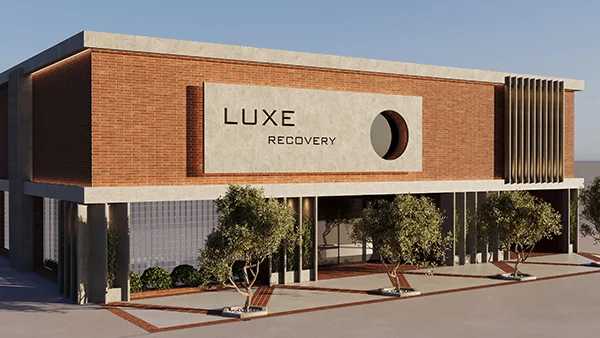
At Luxe Recovery, we offer private cocaine rehab programs that can help you or your loved one recover from addiction. Our care is centered on your needs and is built around your recovery journey. Cocaine addiction doesn’t have to continue to control you, and we want to help you break free from it.
FAQ
What treatment options are available in private rehabilitation for cocaine addiction?
You’ll get a combination of medical detox, behavioral therapies, and supportive therapies like yoga or mindfulness. Most private centers include group counseling and individual sessions. Some centers also include wellness activities like breathwork and exercise in treatment.
How does the confidentiality of patient information work in private rehab programs for substance abuse?
Private rehab keeps your information private; strict privacy laws and confidentiality policies mean your treatment details stay secure.
What is the typical duration of a private rehab program for cocaine dependency?
It depends on your assessment and how you’re progressing in treatment. Most programs last four to twelve weeks, but they’ll adjust based on your evolving treatment needs.
Are there specialized therapies offered in private rehab centers for cocaine addiction?
Private centers can go beyond standard counseling. They may offer cognitive behavioral therapy, trauma-informed care, and family therapy. Some add holistic approaches like yoga, meditation, or fitness programs.
How do private cocaine rehabilitation programs tailor treatment plans for individual needs?
Your plan starts with an assessment of your medical history, substance use, and goals. Private facilities usually keep group sizes small, so you get more personal attention. This approach helps tackle both addiction and any mental health issues you’re struggling with.
What aftercare services do private rehab facilities provide to prevent relapse of cocaine use?
Aftercare usually means continuing therapy, working on relapse prevention plans, and joining support groups. Some places offer intensive outpatient options, so you can keep getting help while keeping up with work or family responsibilities.