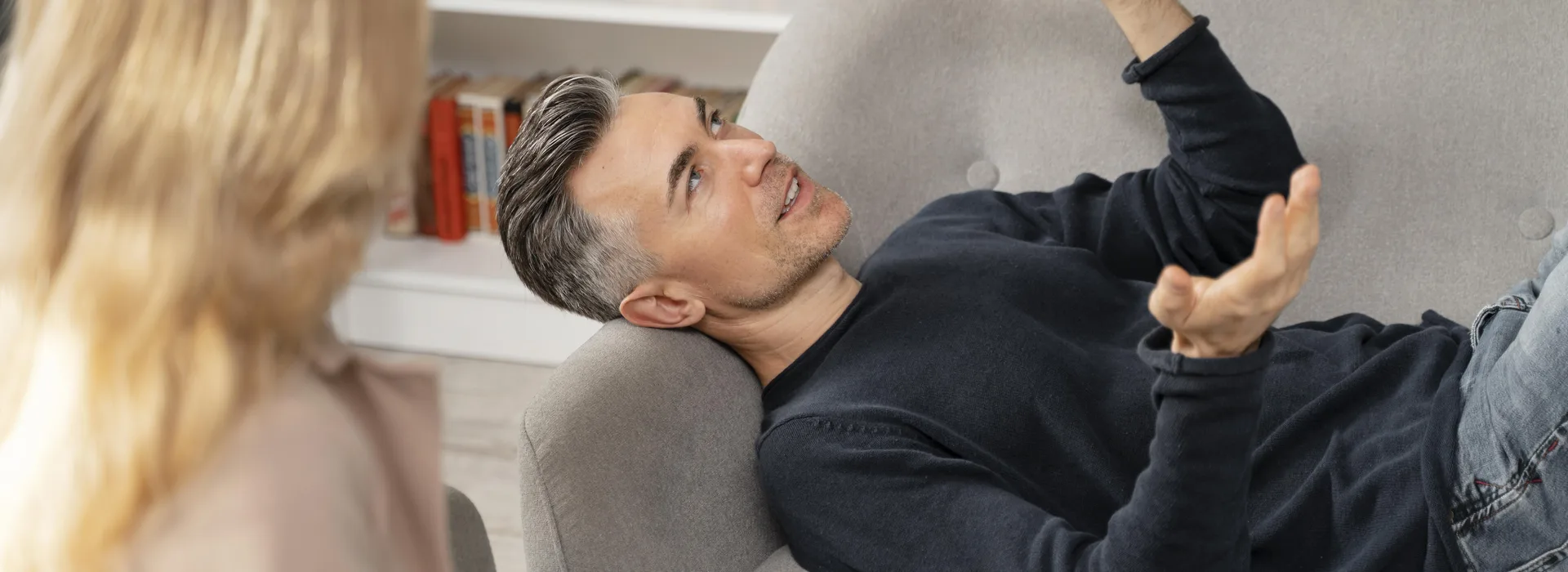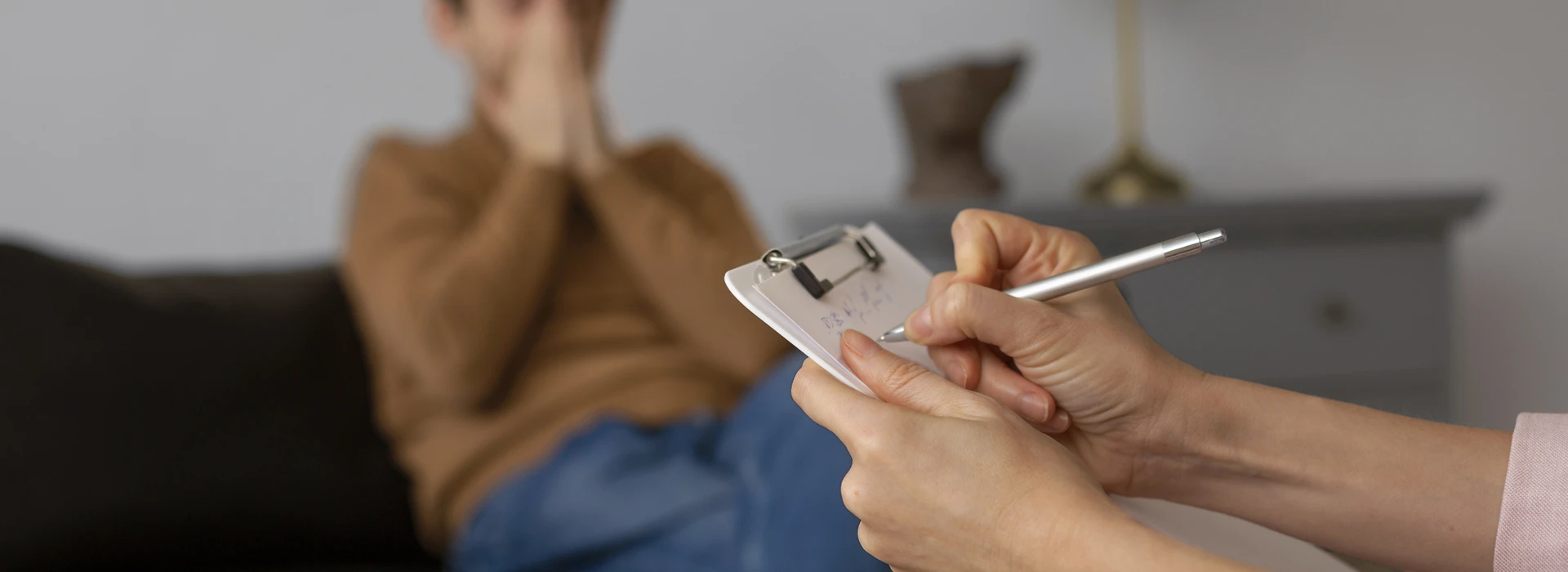

While social anxiety disorder can be a chronic mental health condition, proper diagnosis and treatment are necessary to recover from it. A combination of psychotherapy, medicine, and learning the necessary coping mechanisms are used to treat this disorder. This will aid in boosting your self-esteem and enhance your social skills in dealing with people in social situations.
What is Social Anxiety Disorder?
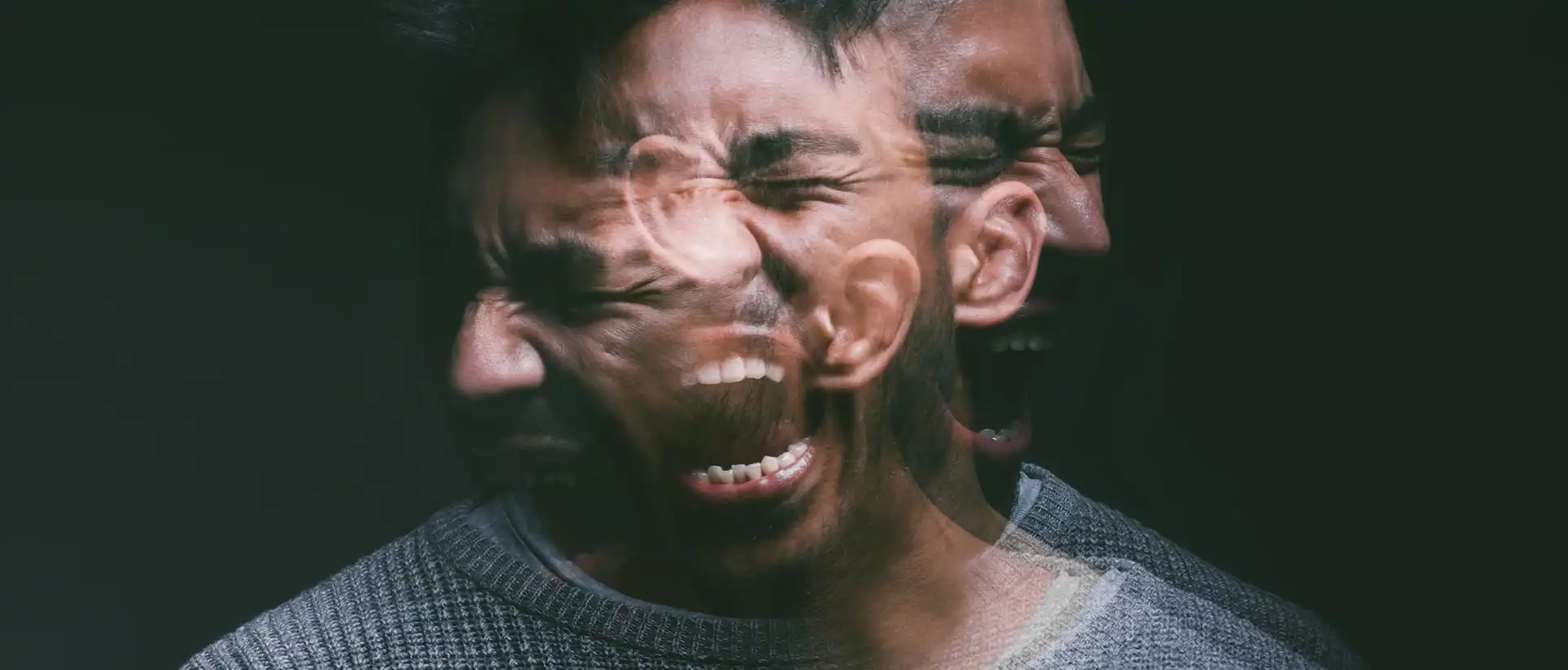
Social anxiety disorder is characterized by an acute and persistent dread of being constantly watched or observed by others.
Certain social situations cause you feelings of anxiety; it’s normal, and most people experience it, too. Social phobia is another term used to describe this experience. Many people with social anxiety are extremely worried that other people will judge them negatively and scrutinize every action they do, and that it may lead to embarrassment or humiliation. Constant fear often leads them to avoid social situations as much as possible.
For people with social phobia, fear or anxiety may lead to avoidance, which can impact one’s life. This disorder can be debilitating because severe stress can affect daily routines, activities related to school or work and relationships.

Symptoms of Social Anxiety Disorder
Physical symptoms of anxiety:
- Irregular heartbeat
- Nausea
- Trembling
- Stomach problems
- Muscle tension
- Sweating
- Upset stomach or nausea
- Difficulty catching your breath
Emotional and behavioral symptoms of anxiety:
- Excessive worry that you will embarrass or humiliate yourself in front of others
- Fearful of social settings where you will be negatively judged
- Anxiety or fear that other people will notice they are anxious
- Fear that their physical symptoms may show, and it would cause embarrassment
- Intense fear of talking to others at social events
- Avoidance of activities where you are the center of attention
- Intense anxiety while anticipating the feared event or situation
- Intense fear of social situations
- Continuous evaluation of your performance and identification of flaws in certain social situations
- Anticipation of the worst outcomes following an unpleasant social encounter
Avoiding common social situations such as:
- Interaction with strangers or unfamiliar people
- Going to school or work
- Attending social events or gatherings
- Initiating eye contact with others
- Going on dates
- Utilizing public restrooms
- Eating in front of other people
Causes of Social Anxiety Disorder
Social anxiety most likely results from an interplay between biological and environmental factors, just like many other mental health diseases. Among the potential reasons are:
- Inherited traits. Social anxiety tends to run in families. Those with similar mental health conditions can be passed on to children. Although, it isn’t entirely clear how much of this may be attributed to genetics and how much is due to learned behavior.
- Brain structure. The amygdala, a structure in the brain, plays a significant role in controlling our responses to fear. Individuals with an overreactive amygdala may have a heightened fear response, eventually causing intense fear or anxiety in social settings.
- Environment. Some individuals may develop significant anxiety after experiencing an embarrassing or unpleasant social circumstance. In addition, there can be an association between social anxiety and parents who are overprotective or who model these behaviors to their children.
Diagnosis for Social Anxiety
Your physician will want to find out if you have social anxiety in addition to another medical or mental health issue or if other conditions could be the source of your worry.
Your medical professional might make a diagnosis based on the following:
- Physical exam to see whether any medicine or medical condition can exacerbate anxiety symptoms
- Talk about your symptoms, their frequency, and the circumstances in which they arise
- Self-report surveys about social anxiety symptoms

Treatment for Social Anxiety Disorder
Cognitive Behavioral Therapy
With cognitive behavioral therapy (CBT), you can recognize the precise ideas, feelings, and actions causing distress. You can then start investigating these emotions and reframing them into more constructive thoughts.
One of the main objectives of cognitive behavioral therapy (CBT) is to find and replace unrealistic beliefs and mental patterns with more sensible ones. Your feelings, ideas, and actions are interconnected. Once problematic thoughts focused on fear and anxiety are recognised, you may modify your emotions and actions.
Exposure Therapy
Exposure therapy was created to assist patients in facing their anxieties. People who are afraid of anything usually avoid the things, people, or circumstances that they are afraid of. This avoidance can worsen long-term fear, even though it may temporarily lessen emotions of fear.
During this therapy, patients are exposed to an incident, circumstance, or thing that makes them feel afraid, anxious, or panicked. Exposure therapy begins with controlled and gradual exposure to a trigger by a reliable person in a secure environment, which can gradually reduce panic or anxiety. It can either be through imagining or actual exposure to the event that causes you anxiety.
Acceptance and Commitment Therapy (ACT)
Acceptance and commitment therapy (ACT) teaches patients how to handle their emotional experiences differently from how they have in the past. ACT teaches you to accept negative ideas and feelings so you may live with them without letting them take over your life. This is different from ignoring them.
This type of talk therapy treatment can help encourage individuals to become less fixated on their ideas and more mentally flexible. Realizing that worried thoughts are not the whole reality can help people break free from them.
It also imparts knowledge on how to tolerate worry without self-criticism. Additionally, it motivates people to recognize their values and act on them rather than acting on their anxieties.

Interpersonal Therapy
Interpersonal therapy is a type of psychotherapy in which the goal is to improve interpersonal functioning and reduce symptoms. Rather than focusing on difficulties related to childhood or development, it targets relationships, presents challenges, and helps build up a tolerance for fears and worries. Therapists provide possibilities for change and are proactive, non-neutral, encouraging, and positive.
This is a common treatment for social anxiety, and the core components usually include learning effective communication techniques, acquiring constructive conflict resolution strategies and setting up healthy and firm boundaries.
Medication
Treatment depends on how your daily functioning is affected. A doctor may prescribe different types of medication to treat people who have social anxiety.
Selective serotonin reuptake inhibitors (SSRIs)
Selective serotonin reuptake inhibitors (SSRIs) are frequently the first class of drugs used for persistent symptoms of social anxiety, although there are many other types of pharmaceuticals available. Your physician may also prescribe sertraline or paroxetine. Though they’re technically called “antidepressants,” these medications are also used to help many different depression treatment and anxiety-related concerns.
Beta-blockers
Beta-blockers, frequently used to treat cardiac issues, including high blood pressure, can reduce the physical signs of worry, such as sweaty hands, shaking, and a racing heart. They function by preventing your body from releasing adrenaline in response to anxiety. Prescriptions like propranolol typically have the greatest effect shortly before an anxiety-inducing situation, like before you give a speech.
Monoamine oxidase inhibitors (MAOIs)
MAOIs, or monoamine oxidase inhibitors, are used to treat social anxiety and panic disorder. Your doctor may give you a prescription to aid in boosting the quantity of neurotransmitters involved in mood regulation.
The FDA has approved MAOIs to treat as antidepressant and anti-anxiety. The following MAOIs may be taken off-label for anxiety, such as Phenelzine and Selegiline.
How to Get Help
Social anxiety, while challenging, is treatable with the right approach. One effective method is psychotherapy and medicine with the help of a mental health professional, who can tailor your treatment to address the social anxiety an individual is experiencing.
At Luxe Recovery, we offer a range of treatment options designed to help individuals who seek effective treatment and find the support they need. Our specialized programs focus on equipping clients with practical strategies and insights, significantly managing their social anxiety symptoms and enhancing their overall well-being.
Support groups
Social anxiety support groups provide a valuable opportunity for individuals to engage in social interaction and help address their fears in a supportive environment. For those who struggle with social anxiety, it’s hard meeting new people since they may fear being judged by others. These groups offer a safe space to gradually confront these fears.
Manage your symptoms by learning responsibility and accountability through meeting different types of people. This will enable them to meet someone new and learn the necessary social skills to cope with their feared objects or stressors.