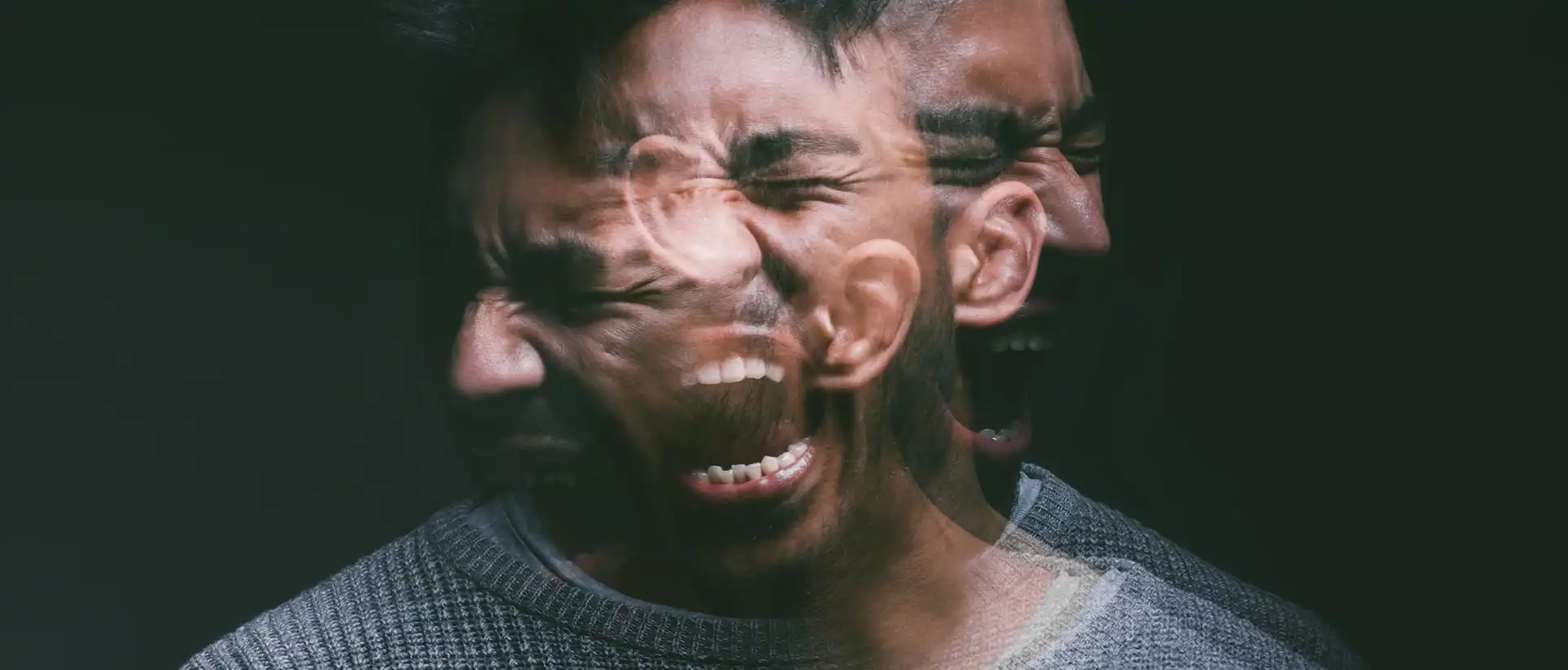


Therapy for childhood trauma can help you understand situations and manage the effects of past difficulties. Many people find that speaking with a mental health professional provides new ways to cope and move forward.
Addressing childhood trauma, recognizing the signs early, and exploring therapy options can open doors to healing, personal growth, and an improved quality of life.
What is a Childhood Trauma?
Childhood trauma involves deeply distressing or disturbing experiences that occur during the early years of life, when the brain and body are still developing. Research shows that exposure to traumatic childhood experiences can leave lasting scars and contribute to severe and long-term consequences. It has also been linked to an increased risk of chronic diseases, mental health issues, substance abuse, reduced educational and economic opportunities, and even early death.
These traumatic events, collectively referred to as Adverse Childhood Experiences (ACEs), can trigger toxic stress responses that disrupt brain development, weaken the immune system, and impair the formation of healthy coping mechanisms. This can make it much harder for someone to learn, manage emotions, build relationships, and make sensible decisions. Over time, repeated exposure to ACEs can hold people back from living healthy, successful lives.
What are Adverse Childhood Experiences?
ACEs are potentially traumatic occurrences that happen before the age of 18 and can profoundly shape a person’s physical, emotional, and psychological development. These events don’t just affect childhood; they can influence the entire course of a person’s life.
Examples of ACEs may include:
- Physical, sexual, and emotional abuse
- Physical and psychological neglect
- Racism or other forms of discrimination
- Serious accidents or life-threatening illnesses
- Natural disasters
- Homelessness or unstable housing
- Food deprivation
- Community and school violence
- Witnessing or experiencing family violence
- Military-related stressors such as loss, injury, or parental deployment
- Violent or sudden loss of a loved one
Note that the list above is not exhaustive. Any prolonged stress or trauma in childhood, especially without adequate support, can still contribute to long-term health issues.
Impact of Childhood Trauma: Signs and Symptoms
Childhood trauma can affect individuals in many ways. While some children may show clear signs of distress, others may suppress their emotions or appear unaffected. Recognizing these trauma symptoms is key to providing the support they need.
Physical Signs
Trauma often manifests physically before it’s even verbally expressed. Changes in appetite, disrupted sleep, frequent physical complaints, and regressive behaviors, such as bedwetting or clinginess, can all signal distress. In older children, self-harm or risky behaviors may emerge as coping mechanisms.
Emotional Responses
Unresolved trauma can cause emotional turmoil in a child’s inner world. Common signs include overwhelming fear, sadness, anger, guilt, or emotional numbness. These feelings may fluctuate or remain hidden, making emotional regulation a daily struggle.
Behavioral Changes
Behavioral shifts, particularly at home or school, are often the most visible signs of trauma. Children may withdraw, act out, become defiant, struggle academically, behave impulsively, or seek attention through rebellious actions. These behaviors often mask deep emotional pain and intent.
Cognitive Effects
Trauma can disrupt a child’s ability to think clearly and learn effectively. Common effects include trouble concentrating, memory lapses, delayed development, and negative thought patterns. These problems often contribute to frustration and academic decline.
Social Difficulties
Children who experienced trauma may struggle connecting with others. They might avoid social interaction, mistrust peers and adults, struggle with communication and empathy, or isolate themselves. Some may clash with authority figures or engage in conflict as a defense mechanism.
Need Help With Trauma?
Types of Therapy for Childhood Trauma
Different types of therapy for childhood trauma can support individuals in processing the negative effects of the event. These therapy methods aim to enhance emotional regulation, rebuild healthy thought patterns, and promote long-term healing.
Cognitive-Behavioral Therapy (CBT)
CBT is a behavioral therapy used to treat PTSD and other mental health conditions, like anxiety and substance use disorders. This approach helps individuals identify and change harmful thought patterns, develop healthy coping strategies, and better manage symptoms of childhood trauma. CBT can also help in understanding the relationship between one’s thoughts, feelings, and behaviors.
Trauma-Focused Cognitive Behavioral Therapy (TF-CBT)
TF-CBT is a structured, evidence-based treatment for children, adolescents, and adults who have experienced trauma. It helps individuals understand how trauma influences their thoughts and behaviors while guiding them through coping strategies and emotional regulation. This form of therapy often involves loved ones to strengthen attachment and enhance the healing process.
Eye Movement Desensitization and Reprocessing (EMDR)
EMDR supports individuals in reprocessing traumatic memories by combining focused recollection with guided eye movements or other forms of bilateral stimulation. This technique prompts the brain to reframe distressing memories, making them less emotionally intense over time. This is especially helpful for those who find it difficult to talk about their trauma in detail.
Cognitive Processing Therapy (CPT)
CPT is a subtype of cognitive behavioral therapy that focuses on identifying and changing negative beliefs formed as a result of trauma. Individuals are encouraged to explore how their thoughts contribute to emotional distress and to replace unhelpful patterns with more balanced perspectives. Both written and spoken exercises reinforce learning and help build long-term coping skills.
Prolonged Exposure Therapy (PE)
PE gradually helps individuals confront memories, emotions, and situations related to childhood trauma in a safe and supportive environment. By systematically facing long-avoided fears, this therapy reduces anxiety and helps individuals regain control over their responses. The approach is often tailored to match the developmental needs of children and adolescents.
Narrative Exposure Therapy (NET)
NET is an effective treatment for individuals who have experienced multiple or complex traumas. It is most commonly used in community-based settings and with those whose trauma stems from political, cultural, or social forces. This therapy helps individuals process their experiences by creating a coherent narrative of their life, integrating both traumatic and positive events.
Play Therapy
Play therapy provides young children with a safe and age-appropriate means of expressing their feelings when they may struggle to find the words to describe what they’re going through. Therapists observe and interpret play behavior to understand emotional challenges and gently support the child to process their experiences. This method is particularly effective for improving mood, attachment, and problem-solving skills.
Art Therapy
Art therapy can help individuals express emotions through creative activities, such as drawing, painting, or sculpting, providing a nonverbal outlet for trauma. Artwork offers insight into a person’s inner world and can help reduce emotional overwhelm. This type of therapy encourages reflection without needing detailed verbal explanations.
How Therapy Helps for Childhood Trauma
Therapy provides a safe and structured environment for individuals to begin healing from the emotional and psychological effects of trauma. It teaches practical coping strategies to manage overwhelming feelings, regulate mood swings, and recognize emotional triggers. Through therapy, individuals can gain control over their responses and build emotional resilience over time.
Beyond symptom relief, therapy also supports the restoration of self-esteem and identity, both of which are often damaged by traumatic experiences. Individuals learn to set healthy boundaries and reconnect with personal values. Therapy not only reduces emotional distress but also helps prevent long-term mental health issues from developing or worsening.
Healing from Childhood Trauma
The impact of childhood trauma can manifest as overwhelming emotions, persistent negative thoughts, and distressing memories. The good news is that healing is possible, and many effective approaches can help manage mental health challenges. With the right support, individuals can gradually move forward and regain a sense of stability and emotional well-being.
Role of Family and Caregivers
Providing a stable home environment, nurturing relationships that foster a sense of safety, showing empathy, and being emotionally available can help children feel understood and supported at home. Being present, patient, and open to communication can make a significant difference, especially when combined with self-care and family-based support strategies.
Professional Help
If a child shows signs of trauma, seeking professional help early is crucial to prevent long-term consequences. Parents and caregivers can speak to a GP, pediatrician, school counselor, therapist, or use trusted directories from organizations like the American Psychological Association (APA) or the Substance Abuse and Mental Health Services Administration (SAMHSA) to find qualified professionals.
Community Support
Support from the wider community is essential for children dealing with trauma. Connecting with youth organizations and community resources, such as support groups, early intervention services, and national networks like the National Child Traumatic Stress Network, can provide families with proper guidance and help children find the support they need to heal.

Long-term Effects of Childhood Trauma in Adults
When left untreated, childhood trauma can be carried into adulthood and lead to profound and lasting impacts on both physical and mental health. Adults with a history of early childhood trauma struggle with mental health conditions such as post-traumatic stress disorder (PTSD), anxiety, depression, and substance misuse. These emotional problems frequently extend into difficulties with self-esteem, trust, relationships, and managing extreme emotions like anger or fear.
The effects of severe trauma aren’t only emotional; it can also damage the body’s stress response, increasing the risk of chronic illnesses such as heart disease, autoimmune conditions, and other long-term health issues. People may find it harder to function in school, work, or social environments due to lingering trauma responses. Recognizing these risks is an essential step toward healing and urging loved ones to seek support and therapy for children who have endured trauma.
Mental Health and Trauma Treatment
If you or someone you care about is showing signs of emotional distress, struggling with unresolved trauma, or facing mental health challenges, Luxe Recovery is here to help. We understand how difficult this journey can be, and our compassionate team offers specialized therapy tailored to your needs. Reach out today – let us support you on your path to healing.
FAQ
What approaches are most effective in treating adults with childhood trauma?
Evidence-based therapies such as CBT, EMDR, and trauma-focused treatment are commonly used. These approaches help process traumatic memories, manage triggers, and develop healthier coping strategies. Group therapy can also offer support and shared healing experiences.
How can someone find specialised therapy for childhood trauma in their area?
Start by searching online directories for therapists who specialise in trauma or childhood experiences. You can also ask your GP for referrals or check in with local counseling centers. Reading reviews and verifying credentials can also help you find a therapist suitable for your needs.
Can therapy for childhood trauma be effectively conducted online?
Yes, many people find online therapy accessible and effective for treating childhood trauma. Secure video or phone sessions make it easier to attend therapy from home, especially if local options are limited or schedules are busy. Some people also feel more comfortable in a virtual setting.
What is the usual duration of therapy for individuals with childhood trauma?
Therapy duration varies depending on the person and the severity of their trauma. Some individuals recover in a few months, while others may benefit from long-term therapy. The approach and pace are tailored to your unique healing process and how quickly you feel ready to move forward.
Is investing in therapy for childhood trauma considered beneficial?
Yes, therapy can lead to improved emotional health, stronger relationships, and a better sense of self. Many people feel more empowered and in control of their lives after working through trauma. The benefits often extend into multiple areas of life.
What are the recognized major types of childhood trauma?
Major types include physical, emotional, and sexual abuse, as well as neglect and witnessing domestic violence. The loss of a caregiver or serious accidents and illnesses can also be traumatic. These experiences can affect emotional and psychological development well into adulthood.