
Too many people suffer from mental health issues and substance abuse issues and go untreated. Some may see a therapist or enroll in some other outpatient treatment program, but that may not be a sufficient level of care to help them with their recovery process.
Some people may need more care than the standard treatment options of weekly individual counseling and group therapy sessions can provide. Exceptional-level care seekers may find the help they need in a residential treatment center.
What is a Residential Treatment Facility?
In the past, especially in the context of mental health, residential treatment facilities that provide mental health services have been referred to as ‘loony bins’ under the assumption that everyone who finds placement in one is ‘loony’ or otherwise crazy.
But that’s not the case at all. Mental health disorders are diseases no different from diabetes or cancer. The brain is an organ and like any other organ, it is vulnerable to disease.
If you suffer from mental health disorders, you are not crazy and you are not a loon. You’re sick and you need a place that can provide intensive care so that you can get better.
For substance use disorders, residential treatment programs offer individuals a space wherein they can focus entirely on their recovery and where they can be kept away from the substances to which they have an addiction and their triggers.
Residential treatment centers provide patients with round-the-clock care, allowing them to fully immerse themselves in the healing process.
What to Expect in Residential Treatment Program
In a residential treatment setting, people will encounter a well-organized daily schedule that encompasses individual therapy, group therapy, educational workshops, recreational activities and moments for introspection and personal development.
A dedicated team of healthcare professionals, including therapists, physicians, and support personnel, will collaborate to create a customized treatment plan designed to address the person’s unique needs and objectives. In addition, support and care from staff are provided for the entire 24-hour clock.
How Long Do I Have to Stay in a Residential Treatment Center?
Your specific needs and progress influence the length of stay in a residential treatment center or rehab. Generally, intervention programs range from 28 days to over 90 days, with the ideal duration being established by the treatment team.
Committing to the entire program duration is crucial to fully benefit from the intensive therapy and support provided in a secure and organized setting.
Is Residential Treatment Different from Intensive Outpatient Program?
The quick answer is yes. While people who undergo residential treatment are required to remain onsite during the treatment, those who participate in an Intensive Outpatient Program (IOP) are expected to attend weekly sessions, working in close partnership with healthcare professionals and therapists during their intensive treatment journey, all while living at home.
Typically, intensive outpatient treatment involves three hours of therapeutic activities each day, amounting to around 20 hours weekly.
This timetable can be structured outside of regular working hours, allowing participants to preserve their privacy and meet their daily responsibilities while actively engaging in the crucial therapies offered by the program.
Treatment Programs Offered for Mental Health and Addiction
Inpatient treatment for substance abuse disorders at Luxe Recovery starts with the vital detoxification phase wherein patients go through supervised withdrawal so that they’re drug-free when they enter the program.
The residential program uses evidence-based methods to create holistic and comprehensive treatment services to help people recover. These methods include:
Holistic approach
A holistic approach, as suggested by its name, encompasses alternative therapies that address the individual as a whole rather than merely alleviating symptoms. This method fosters healing by harmonizing the mind, body, and spirit of the individual, ensuring comprehensive recovery.
Frequently, these interventions serve to enhance traditional treatment methods, which have now become a standard practice in managing various substance and non-substance addictions, mental health disorders, and individuals with dual diagnoses.
At Luxe Recovery, we employ holistic treatments and integrate activities such as yoga and massage therapy to help nurture both the body and the soul.
Patients can also participate in beach days to reconnect with nature and go on planned outings to explore the City of Angels.
Cognitive Behavioral Therapy
Cognitive Behavioral Therapy (CBT) is one of the most commonly utilized psychotherapies in residential mental health treatment. It is a therapeutic approach focused on how thoughts, feelings, and behaviors are interrelated.
The main goal of the therapy is to help patients identify and change harmful thought patterns to improve their mental well-being and behavioral health. It also helps people change their maladaptive behaviors and teaches them strategies to cope effectively with daily stressors.
Dialectical Behavior Therapy (DBT)
Dialectical Behavior Therapy (DBT) is a mental health treatment that can be employed as part of a patient’s personalized treatment plan. It is an approach that focuses on acceptance and change.
DBT aims to help patients be more mindful and live in the moment, deal with distressing situations in healthier ways, understand their emotions more, and manage their interpersonal relationships better.
Eye Movement Desensitization and Reprocessing (EMDR) Therapy
Eye Movement Desensitization and Reprocessing (EMDR) is a therapeutic approach grounded in empirical evidence, designed to assist individuals in processing traumatic or distressing memories through the use of bilateral stimulation that engages both hemispheres of the brain.
This therapeutic mechanism does not eliminate the memories but rather alters their storage in the brain, rendering them less distressing and allowing individuals to incorporate new, positive beliefs.
EMDR is characterized by a systematic framework consisting of eight distinct phases, which collectively aim to address the individual’s troubling memories from the past, the symptoms they currently experience, and any potential challenges they may face in the future.
A key component of EMDR’s methodology is bilateral stimulation, which can be achieved through therapist-directed eye movements, auditory cues, or tactile tapping.
Individual therapy
We offer one-on-one sessions with experienced mental health professionals so patients have a safe space to delve into and work through their personal issues, get the tools they need to recover, and ensure tailored strategies to aid in their healing journey.
Group therapy
Group therapy is a therapeutic approach conducted in a collective and supportive environment, where multiple people receive treatment simultaneously rather than in individual sessions. This setting fosters a supportive network, allowing participants to connect with others who have similar therapeutic objectives.
Within group therapy, participants exchange and explore their personal experiences related to their conditions, as well as effective coping strategies, thereby empowering fellow group members in their journeys.

Family therapy
Luxe Recovery recognizes the crucial role that family plays in recovery. Family therapy is provided to help repair strained relationships and equip loved ones with the skills they need to support patients in recovery.
Motivational Interviewing
Motivational Interviewing (MI) is a client-focused counseling approach designed to facilitate change by addressing ambivalence, fostering internal motivation, and boosting confidence in the change process. This method is characterized by its empathetic and pragmatic nature.
It incorporates change-oriented dialogue and a brief intervention that takes into account the unique challenges individuals face when attempting to make life changes.
The core principle of MI is not for the therapist to impose external motivation or offer a range of tools for change, but rather to draw out and shape the conversation in a way that stimulates a person’s intrinsic motivation, autonomy, and available resources for transformation.
Amenities at Luxe Recovery
Luxe Recovery LA is committed to providing patients with an upscale residential care environment so they’re comfortable enough to focus on committing to their recovery. Amenities at the inpatient facility include:
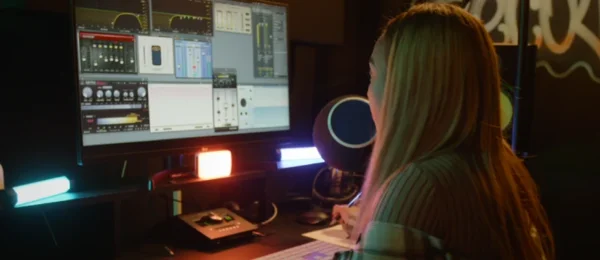
Recording studio
A state-of-the-art recording studio allows musically inclined guests an outlet to creatively express themselves as part of their recovery journey.
Private chef
A private chef is on-site to craft nutritious, gourmet meals to nourish both the body and the mind.
Game room
The game room is equipped with arcade machines, a ping-pong table, a pool table, and game consoles so patients have a place to unwind and have during their stay.
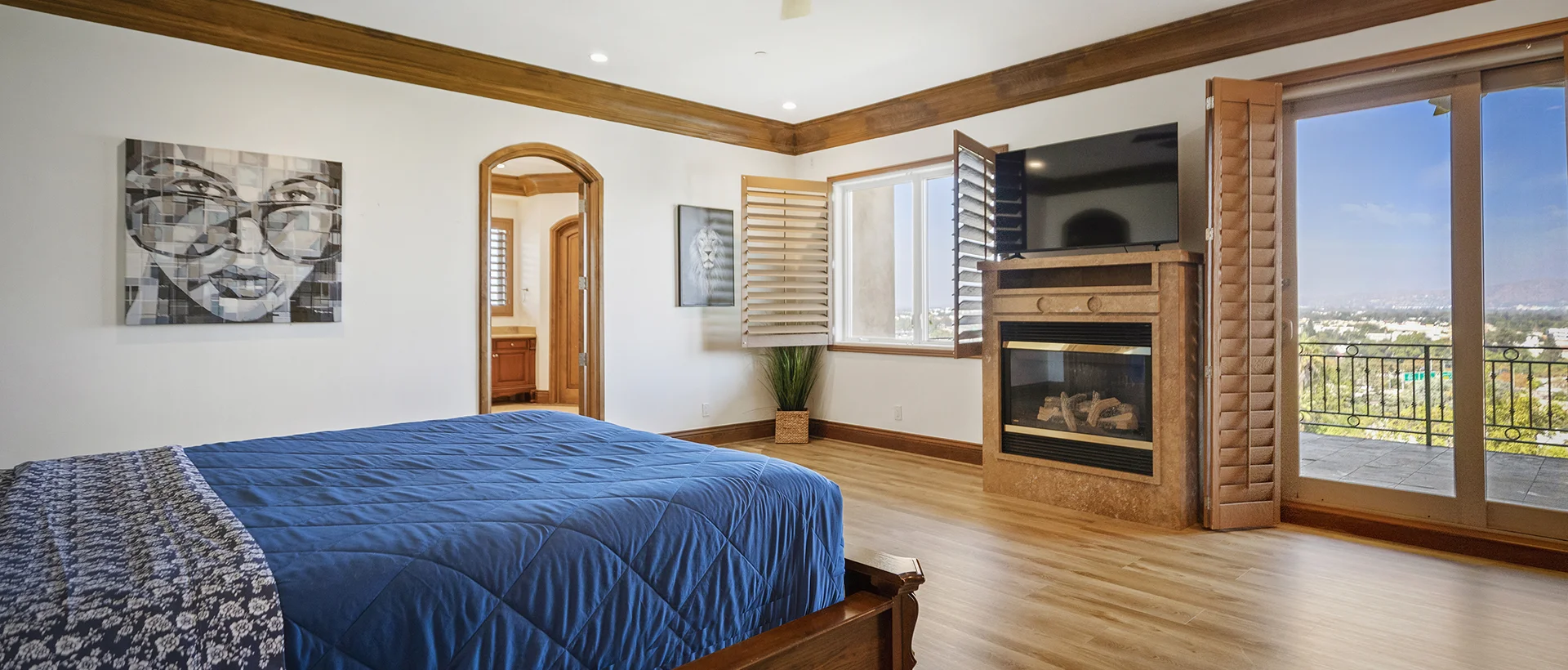
Private rooms
Our facilities come with private rooms so patients can have safe spaces where they can reflect and rejuvenate.

Gym
The inpatient facility comes with a fully-equipped gym so that patients can release endorphins and reclaim their physical health.
Pool and Spa
Our pool and spa offer a tranquil setting to unwind and relax.
Movie theater
Patients can watch their favorite movies and discover new ones at the facility’s state-of-the-art movie theater.
Choose the Residential Treatment Programs at Luxe Recovery and Get Help Now
Some people have this notion that asking for help in any way, shape, or form makes them weak. They think that if they got themselves into a bad situation then they should be able to get themselves out of it.
They think that if they’re addicted or if they’re suffering from mental health conditions, then should just buckle down and power their way through it through sheer force of will.
The vast majority of people who become addicts or suffer from mental health disorders aren’t suffering because they lack the mental fortitude to stop suffering. They’re sick and like all sick people, they need treatment and medicine to get better.
Asking for help doesn’t make a person weak. If you’re suffering from substance abuse or mental illness, then don’t hesitate to contact Luxe Recovery. We’re here to help you and we accept most forms of insurance.