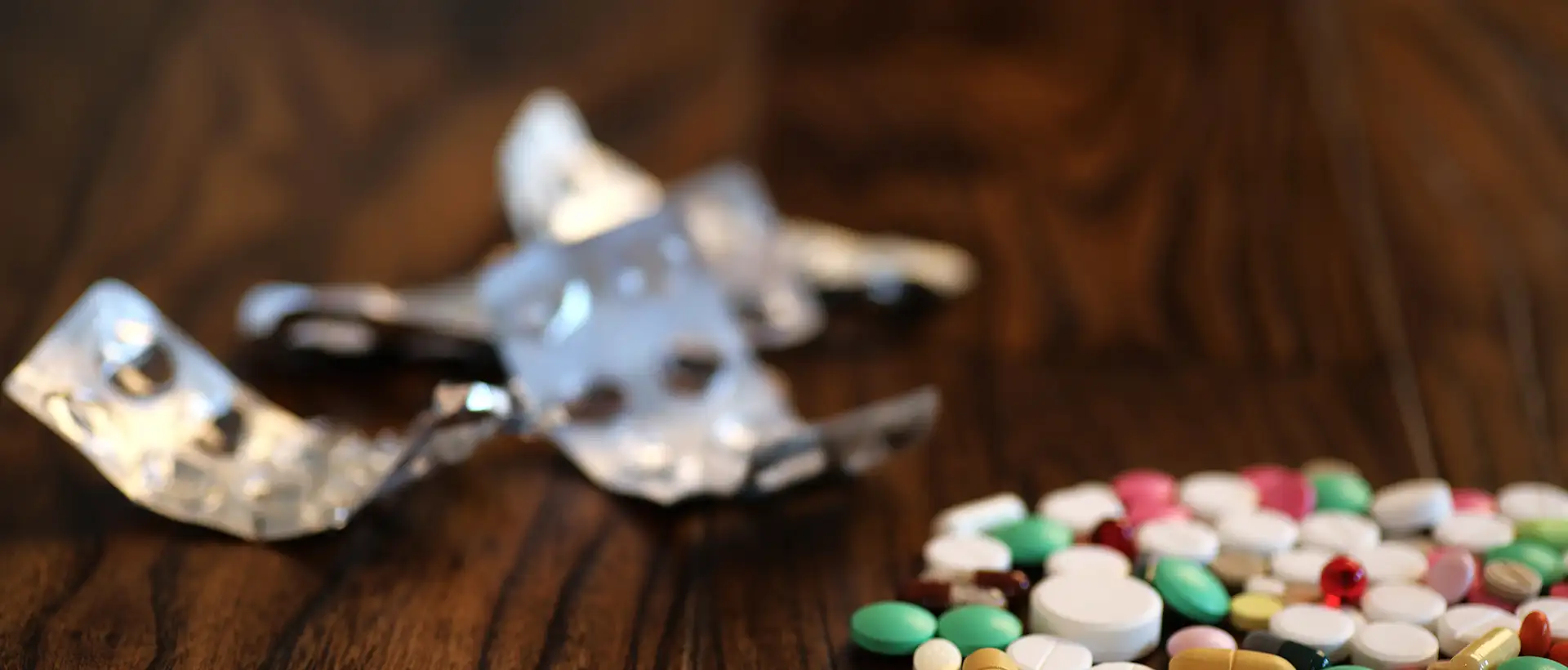

Prescription drug abuse among teens and adults is on the rise. It is a public health concern in the United States. About 52 million people are misusing their prescriptions for nonmedical reasons. The National Institute on Drug Abuse (NIDA) stated that pain relievers like Vicodin and Oxycontin continue to increase in abuse, especially in young adults. Opioids, depressants, and stimulants are frequently prescribed for their medical efficacy. However, a person abusing these psychoactive drugs is at risk of several health consequences. An individual will abuse a drug for varying reasons and factors. Abuse of prescription medications is on the rise because of the availability of the drug or for mental health reasons.
The number of people being prescribed habit-forming drugs may be due to psychiatric disorders, which makes them susceptible to dependence. The lack of knowledge, monitoring, and follow-up with a physician is a huge factor that would have prevented any harm. However, people in these groups may have turned to self-medication or are unaware of the dangers. Everybody is entitled to properly manage their illness, but weighing the risks and benefits is vital. Getting professional medical advice and support goes a long way. If you or a loved one is struggling with dependence or a mental health condition, Luxe Recovery is fully equipped for these challenges.
Why is Prescription Drug Abuse on the Rise?
The number of prescriptions being dispensed in the United States continues to rise, alongside substance use disorder. Moreover, how these medications are marketed and perceived by the masses can highly influence how patients take them. Opioids like OxyContin were marketed openly, leaving out the details of their risks and dangers. This led to the opioid epidemic. Abuse deterrent formulations were made for several drugs to prevent abuse by crushing the pills. Unintentional overdoses have increased in occurrence due to the lack of knowledge on the consumer’s end. At some point, fatal overdoses on prescription medications have exponentially increased in the decades since the 1990s. Some policies and strategies have been developed to address this issue. However, is this enough to prevent the rise of prescription drug abuse?
Which Prescription Drugs Are Commonly Abused?
Medications that give off a euphoric feeling, relaxing effect, pain relief, or sedative effect are drugs commonly abused by patients. Drugs that manage pain and treat ADHD, anxiety, or insomnia are being studied for the increased incidents of addiction, emergency visits, and overdose deaths.

Opioid Abuse
These medications are narcotic analgesics used to manage pain. Drugs like Vicodin, OxyContin, and Percocet are well-known opiates prescribed to adults in the US. However, their rapid tolerance build-up can progress into dependence. Patients who self-medicate, attempting to relieve pain, are likely to abuse opiates. Physician and patient trust becomes an important anchor when a patient builds up a high tolerance and dependence on these medications.
Central Nervous System Depressants Abuse
Depressants that act on the brain are very dangerous when taken in excessive amounts. Regardless, if taken properly, they are effective drugs that treat anxiety and sleep disorders. Sedatives, tranquilizers, and anti-anxiety medications will slow down your cognition and alertness. Benzodiazepines like Valium, Xanax, and Halcion are used for treating anxiety, panic disorders, and sleep disorders. However, these medications are highly addictive due to their calming and relaxing effect. A person may easily develop an addiction once dependent on its effects, being incapable of coping with life without the drug.
Barbiturates like Luminal and Mebaral are replaced by benzodiazepines in treating anxiety and sleep disorders. Nevertheless, prescriptions of pentobarbital or phenobarbital are dispensed for surgical procedures and seizures. These drugs are abused when a person becomes dependent on them to fall asleep. However, the long-term use of depressants is dangerous. They may elicit severe physical dependence and withdrawals.
Stimulant Abuse
Drugs like Concerta, Ritalin, and Adderall are popular stimulants prescribed to children with attention deficit hyperactivity disorder (ADHD). It can be alarming when a child can possibly abuse a psychoactive medication. Teens and young adults are susceptible to this risk. It is important to address ADHD. However, misguided drug intake can lead to life-changing effects. There is a dramatic increase in stimulant prescriptions. They are effective medications to manage symptoms of ADHD and narcolepsy.
However, abusing stimulants for nonmedical use can result in heart problems and psychosis. The cognitive-enhancing effects of stimulants are frequently abused by athletes, students, and professionals. They increase a person’s alertness, attention, and focus. Patients must be cautious of the harmful consequences of abusing stimulants. Paranoia, psychosis, and mania are challenging symptoms to deal with.
Prescription Drug Abuse Statistics
Opioids and benzodiazepines are some of the top medications that have caused overdose deaths. Healthcare providers and the government are tackling these issues with policies that can deliver the rightful treatment of patients while also reducing the occurrence of substance abuse. A tricky problem that may take time to be solved. As concerned individuals, there is power in proper education and awareness among patients and those who may support them.
Adolescents and young adults are very common users, ages 12 to 25. Most of these people reported abusing multiple drugs and substances. They obtained prescriptions illegally from relatives and friends. However, for older adults, they are more likely to be prescribed multiple medications for an extended period. This leads to a high risk of misusing the prescription. Benzodiazepines and opioids are the majority of these prescription abuse cases. Additionally, more than half of these visits involved more than one drug of abuse.
The National Center for Health Statistics (NCHS) at the Center for Disease Control and Prevention (CDC) provided data on drug overdose deaths between 1999 to 2022. Prescription opioids, including both natural and synthetic opioids, had a huge spike of overdose deaths in 2017 at 17,029. Nevertheless, this number declined to 14,716 in 2022 due to the efforts of changes in policies and awareness of opioid abuse. Although, total drug overdose deaths of both illicit and prescription opioids are at a rate of 81,806.

Risk Factors in the Abuse of Prescription Drugs
The factors on the nonmedical use of prescriptions in the US should be understood to tackle the issues of drug abuse and finding substance abuse treatments. There are important implications that can help in developing prevention and intervention strategies when prevalence trends are properly assessed. A good understanding of the risk factors of prescription drug abuse can assist in primary care settings and a patient’s obligation to follow their prescription.
Previous research showed that abuse of prescription medications is associated with substance use disorder symptoms. A person who was a heavy smoker, drank heavily, and participated in recreational drug use, was vulnerable to the habit-forming effects of depressants, stimulants, and painkillers. Alcohol consumption was common in individuals who abused prescribed medications. One in every two individuals who abused prescriptions also had an alcohol use disorder. On the other hand, one in every three individuals was abusing other illicit substances. There is a lack of prompt efforts in identifying drug dependence. The misconception of self-sufficiency is a harmful belief when experiencing drug dependence. Patients believed that their condition would improve spontaneously. It increases the risk of patients developing severe addiction. Awareness of prevention and treatment of drug addiction are both important in helping patients.
The following factors should be assessed when prescribing psychoactive drugs:
- Presence of psychiatric disorder
- Genetic predisposition
- Substance use disorder
- Drug interactions with other medications taken
Treating Prescription Drug Abuse
Prevention is a vital precaution to avoid complications of developing addiction while under treatment for other diseases. Healthcare providers and obtaining the trust of patients play an important role in successful treatment and preventing misuse. There are strategies and methods to prevent the occurrence of drug abuse among patients who need proper treatment for their conditions, lessening the risk of misuse.
Drug Abuse Prevention:
- Close monitoring of symptoms and side effects
- Regular follow-up with your physician
- Proper education of the risk of abuse
- Encouraging substance use treatment
- Properly screening patients
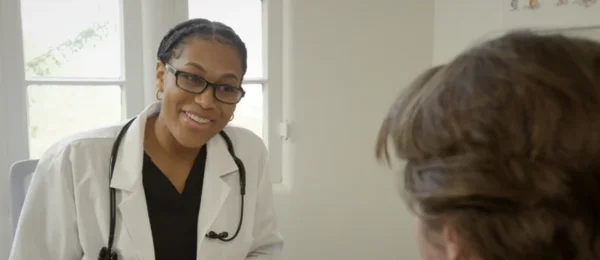
In the case of having developed dependence, it is important to support a loved one to get treatment early. Early intervention is crucial in preventing further complications, increasing quick and successful recovery chances. Nevertheless, rehab treatment facilities are equipped with multiple treatment options. Luxe Recovery considers all an individual’s needs, incorporating medical detoxing, counseling, and medical assistance. Behavioral treatments can be utilized after detoxification to help patients handle life without the need for mood-altering substances.
Frequently Asked Questions
Why do people become addicted to prescription drugs?
Individuals who misuse prescription drugs will often do so due to behavioral, social, or mental issues. Some patients may unintentionally misuse their prescription after experiencing tolerance. Moreover, psychoactive drugs can have euphoric effects, which affects the brain’s reward system. Unfortunately, after developing dependence due to long-term use, in the absence of these drugs, uncomfortable withdrawal symptoms will occur.
What are the complications of prescription drug abuse?
Prescription drug abuse will lead to dangerous consequences. Developing an addiction to this medication can lead to coma, seizures, and lethal overdose.
There are many risks and complications associated with the misuse of prescription drugs but if they are taken correctly as prescribed by a doctor there should not be any major concern although if you have any reaction or side effect you should always consult with your healthcare provider.