

Drinking can become a habit that quietly takes over your routines, affecting your health and relationships. Taking that first step is often the hardest part, but with guidance and support, you can create lasting change. Whether you want to quit entirely or simply drink less, having a good plan can set you up for success.
Identifying Signs of Alcohol Dependence
Alcohol dependence can develop gradually, making it difficult to spot. You may notice growing tolerance, where it takes more alcohol to feel the same effects as before.
Withdrawal symptoms, such as sweating, restlessness, shakiness, or insomnia, may appear if you cut back or stop drinking suddenly.
Other common signs of alcohol use disorder include:
- Drinking alone or at inappropriate times
- Prioritizing alcohol over responsibilities, work, or relationships
- Failed attempts to reduce or control your drinking
- Spending significant time obtaining, using, or recovering from alcohol
Recognizing these patterns is the first step to acknowledging a drinking problem. People dependent on alcohol often continue to drink despite negative impacts on their daily lives.
How to Stop Drinking at Home
If you are ready to quit drinking alcohol or begin drinking less, know that even small steps can lead to meaningful change.
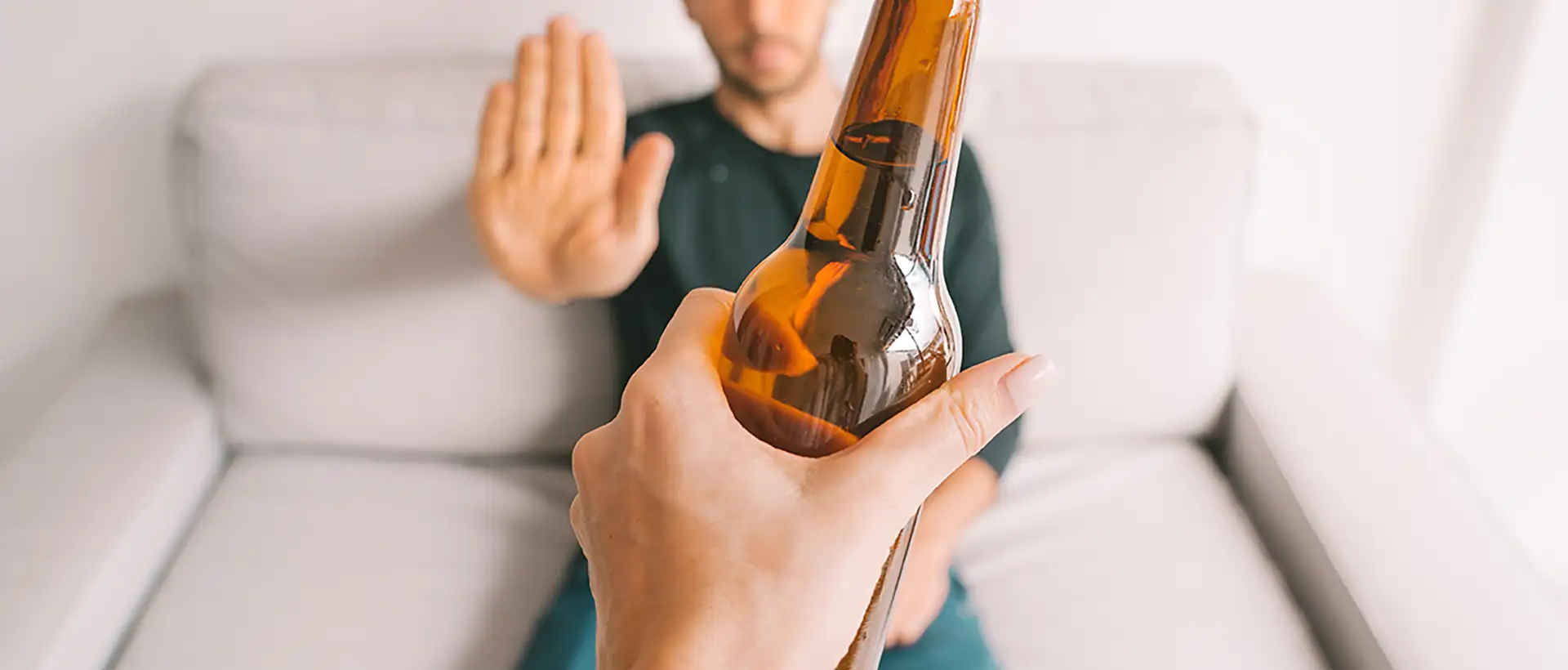
For those with more moderate drinking habits, one helpful place to start is by setting a clear quit date. This will help give you a sense of direction and commitment. For instance, removing alcohol from your home can reduce temptation and support a healthier relationship with alcohol.
Let trusted friends or family members know about your decision. Having someone in your corner can make it easier to stay accountable and feel less alone. Try keeping a simple journal to track your urges, moods, and triggers. This kind of self-awareness can help you identify patterns and better understand the role alcohol plays in your daily life.
Plan new routines for the times you would normally drink. Whether that’s taking a walk, calling a friend, cooking, or starting a hobby, filling those moments with intention can help disrupt old drinking habits.
If you need more guidance, visit our full guide on how to stop drinking at home.
How to Stop Binge Drinking
Binge drinking means consuming a large amount of alcohol in a short time, usually with the intention of getting drunk.
If you find that you tend to overdrink on certain occasions, it’s important to take practical steps to change this pattern.
- Set Clear Limits: Decide in advance how many drinks you’ll have and stick to that number. Track your drinks during a night out to avoid losing count. Using a notepad or app can be helpful.
- Recognize Triggers: Certain people, places, or emotions can make you drink more. Identify these triggers and consider how you can avoid or manage them.
- Find Alternatives: Replace drinking activities with other social events. You could suggest meeting friends for a walk, a movie, or a coffee instead of going to a bar.
- Make Alcohol Less Accessible: Do not keep large amounts of alcohol at home. When attending events, choose non-alcoholic drinks or space out alcoholic beverages with water.
Need Help With Alcohol?
How to Stop Drinking Alcohol Safely
For those who drink heavily or have been drinking for a long time, stopping suddenly can lead to serious withdrawal symptoms.
Alcohol withdrawal often includes shaking, sweating, nausea, anxiety, and in severe cases, seizures or hallucinations. These symptoms are a medical concern and should never be managed without professional guidance.
If you have experienced withdrawal before, or if you drink daily in large amounts, speak with a healthcare provider before making any changes.
Medical professionals can help you plan a safe and supported approach to cutting back or quitting. A medically assisted detox that includes supervised treatment and medication can ease your symptoms and reduce risks.
Even if your drinking is less frequent, having professional support can still make the process easier and more effective. A doctor, counselor, or addiction specialist can help you understand what to expect and guide you through the emotional and physical changes that may come up.
How to Stop Drinking Alcohol Every Night
For many, nightly drinking becomes a way to cope with stress, boredom, or loneliness. Over time, this habit can quietly take hold and feel difficult to break, especially if it is tied to underlying issues like alcoholism.
If you’re unsure where to begin, this guide on how to stop drinking every night can help you take that first step toward change.
To live nights without alcohol, start by gently identifying your triggers. What emotions or situations lead you to drink in the evening? Once you understand those patterns, you can begin to replace that routine with something new.
Try calming alternatives like herbal tea, flavored water, or a favorite snack. Activities like going for a walk, doing a puzzle, or watching a comforting show can help fill the space where alcohol once was.
Set goals that feel manageable. You might begin by choosing just one or two nights a week to stay sober, and gradually increase your alcohol-free evenings. Tracking your progress through a journal or app can also help remind you how far you have come.
Seeking Professional Help to Quit Drinking
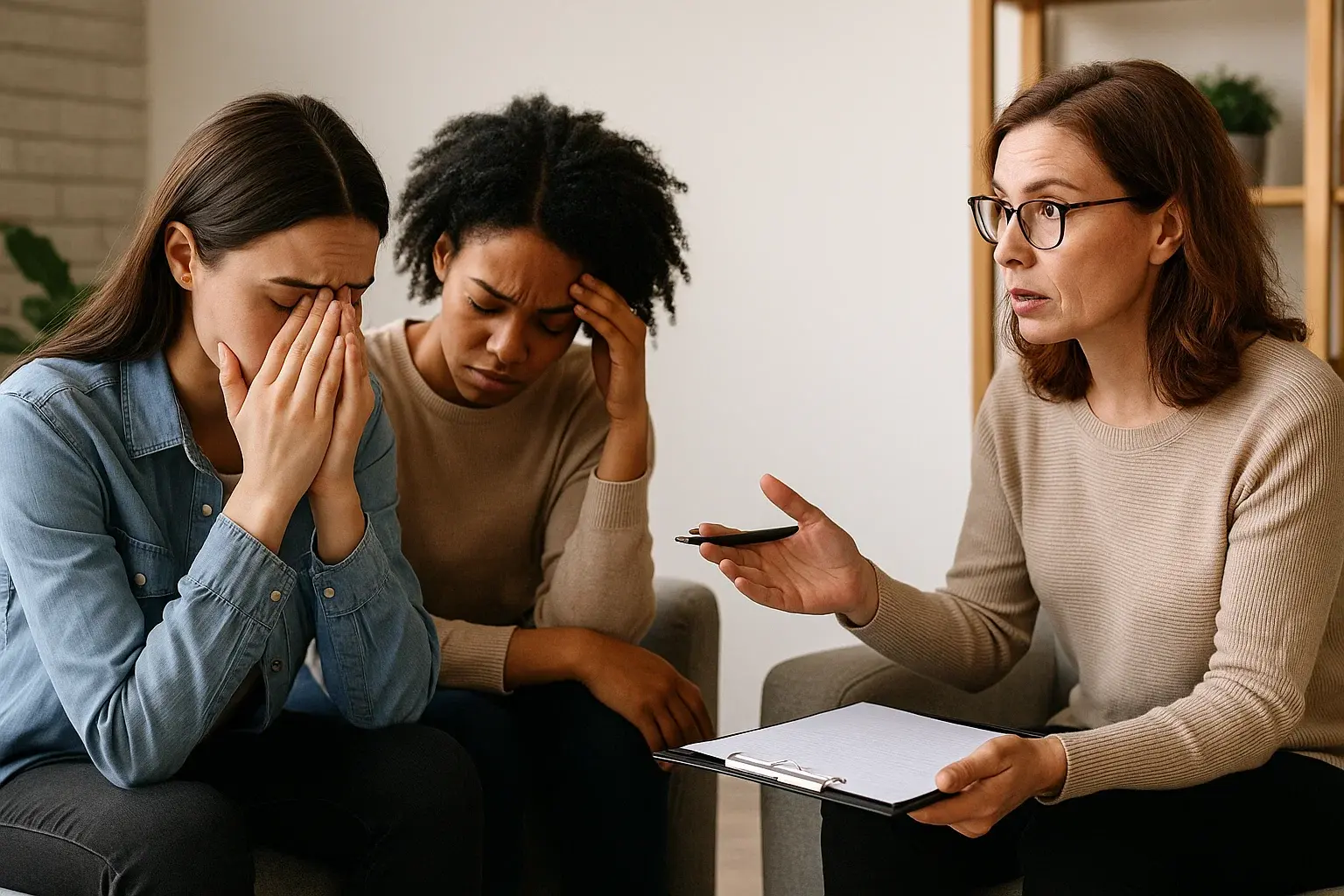
Working with a healthcare provider gives you access to structured, compassionate support for your needs. Depending on what you’re going through, you might explore outpatient or inpatient treatment programs. These are designed to support both the physical and emotional sides of recovery.
Medical professionals can work with you to create a personalized treatment plan, offer therapy, and, if appropriate, prescribe medications that reduce cravings or help make alcohol feel less appealing.
Support may also look different for everyone. Many people benefit from individual counseling, group therapy, or rehab programs. If medication becomes part of your plan, it will always be used under safe, professional guidance.

Find Help for Your Drinking Problem at Luxe Recovery LA
No matter where you are in your journey, support is out there. Here at Luxe Recovery LA, we’re here to make sure that you are not alone in taking this step toward healing. Our team has years of experience in providing professional alcohol addiction treatment in a safe and supportive environment.
Don’t hesitate to reach out to us today. We truly understand what you’re going through, and we’re here to help you move forward.
Frequently Asked Questions
What are effective strategies for quitting alcohol?
Setting clear, measurable goals for reducing or eliminating alcohol is important. Many people benefit from avoiding triggers, building new routines, and seeking accountability through friends or professionals. Structured programs and self-monitoring, such as keeping a drinking diary, can help track progress and identify problem patterns.
Can you describe the alcohol withdrawal timeline?
Withdrawal symptoms typically begin within 6-12 hours after your last drink. Early symptoms may include anxiety, nausea, and tremors. More serious issues like seizures or hallucinations can occur within 24-72 hours for some people. The severity and duration vary based on drinking history and individual health.
What steps can I take to resist the urge to drink?
Avoiding situations where alcohol is present and having a plan for cravings can lessen your risk of relapse. Distraction techniques, engaging in hobbies, and reaching out to supportive friends are useful tactics. Attending support meetings or talking with a counselor adds an extra layer of defense.
Are there any medications that can help with alcohol cessation?
There are medications approved to help reduce cravings and decrease the desire to drink. Options include naltrexone, acamprosate, and disulfiram. These medications are available with a prescription and should be taken under medical supervision to manage side effects and ensure effectiveness.
How can I find support groups for stopping alcohol consumption?
Support groups are readily available in person and online. You can locate groups through community centers, hospitals, or referrals from healthcare providers. The SAMHSA National Helpline offers confidential information and connects you to local resources 24/7.
What lifestyle changes should I consider to maintain sobriety?
Adopting regular physical activity, improving sleep habits, and developing new interests support your recovery. Building a stable daily routine and forming healthy relationships create a foundation for ongoing sobriety. Limiting exposure to alcohol-related environments is also effective for long-term success.